Aluminium eggshells take on space debris with nearly 65% impact reduction

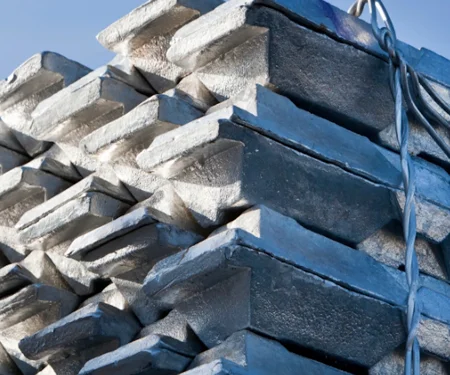
Stock image for referential purposes only
Researchers at Dalian University of Technology in China have tested a spacecraft protection structure made from water-filled aluminium eggshells, with the design reducing the velocity of an impact projectile by nearly 65 per cent.
The research, published in the Journal of Applied Physics, looked at ways to protect spacecraft from the growing amount of debris in near-Earth orbit. Researchers estimate that nearly 1 million pieces of debris larger than 1 cm are currently in orbit.
Aluminium shells absorb impact energy
Author Yuxin Wang said, "A single eggshell breaks easily under local force, but the protection mechanism of the eggshell array is completely different.”
The design uses small aluminium eggshell-shaped structures filled with water and placed between two aluminium plates. The shells are arranged with their blunt ends facing down.
When a projectile hits the plate, the eggshells collapse and deform one after another. This spreads the impact across the structure instead of concentrating the force at one point.
The water inside the shells adds another layer of protection. Under impact, it moves inside the shells and helps reduce the spread of impact waves, allowing more of the energy to be absorbed.
The researchers compared aluminium plates alone with water-filled aluminium spheres and the eggshell-shaped structures using 3D-printed models and computer simulations.
The eggshell design gave the strongest result. It reduced projectile velocity by nearly 65 per cent, compared with a 51 per cent reduction for aluminium plates alone.
Upright position performs best
The position of the eggshells also made a difference. The best-performing arrangement had the shells standing upright, with their smaller ends touching the top aluminium plate.
Wang explained, "The cooperative deformation of these eggshell units transforms the local impact load into distributed energy dissipation across the metastructure, thereby significantly enhancing the anti-impact performance of the target plates."
The researchers are now working on the design of the shells, including their thickness, aspect ratio and arrangement, as well as further impact testing.
The work shows how aluminium and water can be combined in a relatively simple eggshell-inspired structure to absorb energy from high-speed impacts.
Constellium earns eighth consecutive spot in Automotive News Top Suppliers ranking
Next articleNew Roeslein AI camera brings real-time spoilage tracking to canmaking
Grow with
AL Circle