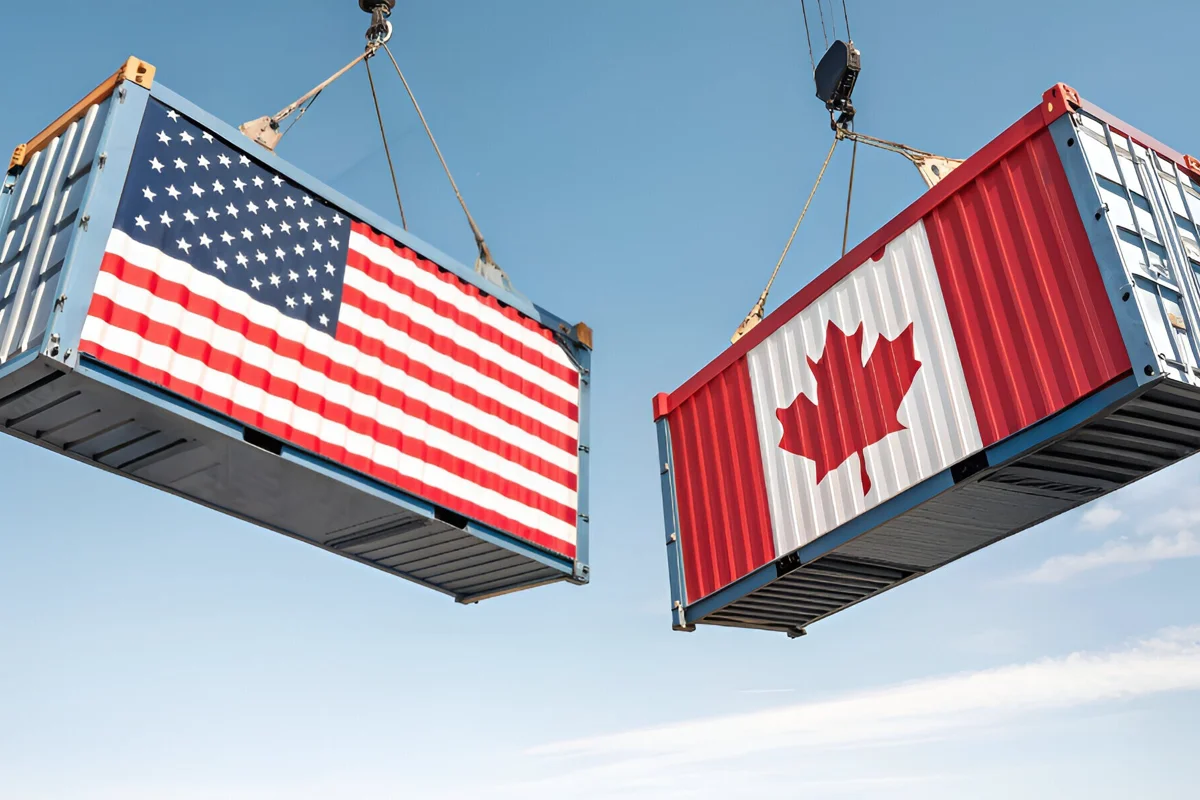
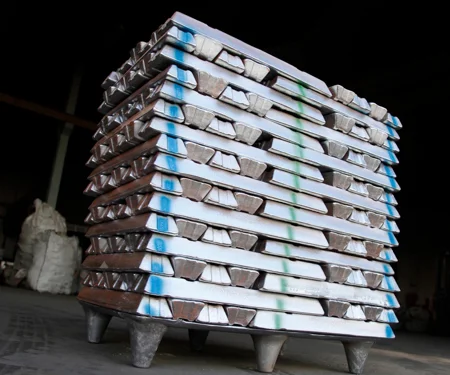
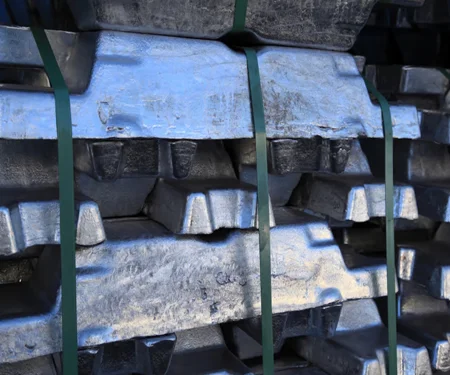
The United States and Canada have long shared more than just a border — they’ve built an aluminium supply chain that’s deeply intertwined and vital to both economies. As the US grapples with declining aluminium production and mounting energy costs, the importance of Canada’s role has never been clearer. Let’s break down why the US aluminium industry leans so heavily on its northern neighbour — and why replacing Canada simply isn’t an option.
Image Source: https://www.benefitsandpensionsmonitor.com/
A shrinking giant: The state of US aluminium production
Once a global leader in aluminium production, the US now produces just 1.2 per cent of the world’s aluminium supply. According to the US Geological Survey (USGS), the US had a primary aluminium production capacity of 1.36 million tonnes in 2024, but only half of that capacity was in use, producing a mere 680,000 tonnes. To put this in perspective, the US imported over 4.8 million tonnes of crude and semi-manufactured aluminium products last year — and Canada alone supplied 2.6 million tonnes of that total.
Why the decline? The biggest culprit is cost — particularly the cost of energy. Aluminium smelting is incredibly energy-intensive, with electricity often accounting for up to half of production expenses. In the US, industrial electricity prices are significantly higher than in Canada, where most aluminium smelters are concentrated in Quebec. Thanks to abundant, low-cost hydroelectric power, Canadian smelters enjoy energy prices up to three times lower than their US counterparts.
This energy cost gap has real consequences. In 2024, for example, Century Aluminum closed its Hawesville smelter in Kentucky, citing soaring energy prices and resulting in the loss of 600 jobs. While the US has passed legislation like the Inflation Reduction Act (IRA) to encourage clean energy projects, these efforts have yet to make a dent in the cost crisis facing US smelters.
Canada’s aluminium advantage
While US smelters struggle, Canada’s aluminium industry continues to thrive. A single smelter in Sept-Îles, Quebec, produced 628,000 tonnes of aluminium in 2024 — nearly matching the entire output of the US. This isn’t just about low energy costs, though. Canadian smelters are also leading the way in clean aluminium production, incorporating carbon capture technology and advanced recycling processes to reduce their environmental footprint.
This positions Canada perfectly for the rising demand for ‘green aluminium’ — a crucial material in the manufacturing of electric vehicles (EVs), wind turbines, and solar panels. Automakers like Ford, GM, and Rivian are increasingly prioritising aluminium from low-carbon sources, and Canada is well-placed to meet this growing need.
Long-standing relationship between neighbours
The relationship between the US and Canadian aluminium industries isn’t a one-way street — it’s a mutually beneficial partnership. In 2024, the US imported over USD 9 billion worth of aluminium from Canada, making it the US' largest aluminium supplier. Despite calls from some policymakers to impose tariffs to protect US producers, the reality is that tariffs would only push prices higher for American manufacturers and consumers, further straining an already fragile aluminium sector.
The root issue isn’t trade policy — it’s the simple fact that US smelters cannot compete with Canadian producers on cost. Even with tariffs in place, the US would still rely heavily on Canadian imports to bridge the gap between domestic production and demand.
Investing in the future: US grants and the road ahead
Recognising the challenges at hand, the US Department of Energy (DOE) recently announced over USD 650 million in grants to support the domestic aluminium sector:
- Century Aluminum received up to USD 500 million to build a new primary aluminium smelter aimed at boosting production and addressing energy inefficiencies.
- Constellium secured USD 75 million to develop a zero-carbon aluminium casting plant, using renewable energy and innovative technologies.
- Real Alloy was awarded USD 67.3 million to construct a zero-waste salt slag recycling facility, promoting a circular economy by recovering aluminium from industrial waste.
These initiatives are a step forward, but they don't change the immediate reality. Building a new smelter can take 2-5 years, and recycling efforts, while far more energy-efficient, are already nearing capacity in the US. For now, the US cannot escape its reliance on Canadian aluminium.
A partnership for the future
Ultimately, the future of the US aluminium industry hinges not on cutting ties with Canada, but on strengthening their partnership. As clean energy goals drive demand for aluminium in EVs and renewable technologies, Canada’s low-cost, sustainable production will be essential in helping the US achieve its manufacturing and environmental targets.
The question isn't whether the US needs Canadian aluminium — it undeniably does. The real challenge is ensuring that both countries continue to work together, fostering a sustainable, competitive aluminium market that benefits North America as a whole.
Without Canada, the US aluminium sector would face higher costs, supply shortages, and a tougher road to meeting clean energy goals. The path forward lies in collaboration — not competition — as both nations navigate the shifting landscape of global aluminium production.
Information credit: an article written by Alastair Neil, Director, Critical Minerals Institute (CMI) for: https://investornews.com/