EGA unlocks major R&D advances in bauxite residue utilization
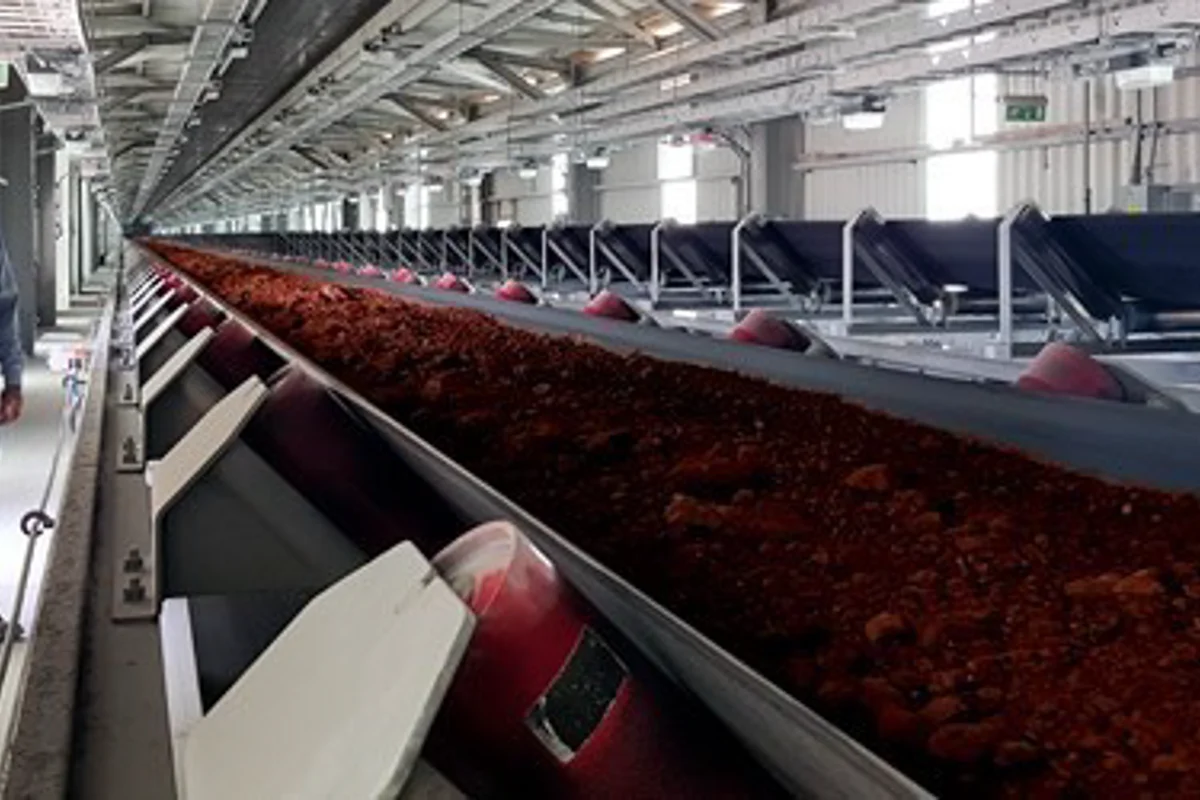
Emirates Global Aluminium (EGA), one of the leading producers of aluminium in the world, has unlocked a new development, which will result in all bauxite residues produced in the UAE being re-used in the UAE, due to significant R&D advances.
“We have already achieved important success with other by-product streams, such as spent pot lining, which is now a feedstock for the UAE cement industry,” said Abdulnasser bin Kalban, EGA’s Chief Executive Officer, briefing a visiting team from the Environment Agency - Abu Dhabi (EAD) led by its Secretary-General Dr Shaikha Salem Al Dhaheri.
The EAD, which oversees environmental issues in Abu Dhabi, has created cutting-edge technology tools and systems to make sure that industrial facilities and development projects comply with applicable environmental laws and standards. Given the enormous industrial and urban expansion the emirate has seen, the agency also promotes the adoption of the highest standards for environmental protection, health, and public safety.
“EGA is embedding sustainability in everything we do. We work closely with EAD to continuously improve our environmental performance. We are also active members of the Aluminium Stewardship Initiative, which promotes sustainability best practice in our industry, and have aligned our sustainability strategy with the ASI Performance Standards,” added Kalban.

Through routine monitoring, EAD's job is to make sure those projects and organisations are following environmental regulations. This aids EAD in limiting and reducing negative environmental consequences, implementing campaigns to increase environmental performance, responding to citizen concerns about the environment, and evaluating environmental hazards.
‘’Since our establishment, EAD has been keen to cooperate and build partnerships with industrial sectors to preserve the environment by strengthening and activating its role in implementing federal and local environmental laws and legislation. This is in addition to ensuring industrial institutions and establishments self-monitor their operational processes to achieve better environmental results,” said Dr Shaikha Salem Al Dhaheri.
The Agency also assesses and grants licences for several infrastructure and development projects, as well as significant business and industrial facilities in Abu Dhabi. The objectives of the environmental assessment and licencing procedures are to minimise the environmental effects of project operations and to guarantee that projects adhere to national and international legal requirements. In accordance with the environmental, economic, and social circumstances in the emirate, this is accomplished by putting the finest environmental practices into effect.
_0_0.gif)
“EAD determines industrial facilities’ compliance with environmental requirements through regular inspection visits and environmental monitoring reports. The reports include the results of the facilities’ efforts in reducing carbon emissions and in developing its environmental performance and the application of best management practices, operational controls and innovative solutions. EGA have excelled in the optimal use of resources, providing ideas and solutions to raise production efficiency, reducing waste, and preventing pollution, to ensure the protection of the environment by following international best practices and conducting scientific research,” said Eng Faisal Al Hammadi, EAD’s Acting Executive Director of the Environment Quality Sector.
ERG aims to decarbonise its projects using renewable energy
Next articleNewly improved Norton Gemini Wheels feature top-quality alumina grain
Grow with
AL Circle