Imagine driving an electric vehicle (EV) without worrying about finding a charging station or running out of battery mid-journey. This vision is fast becoming a reality, thanks to an ambitious project in Sweden. It’s not just a technological breakthrough—it’s a bold step toward a fossil-free tomorrow.
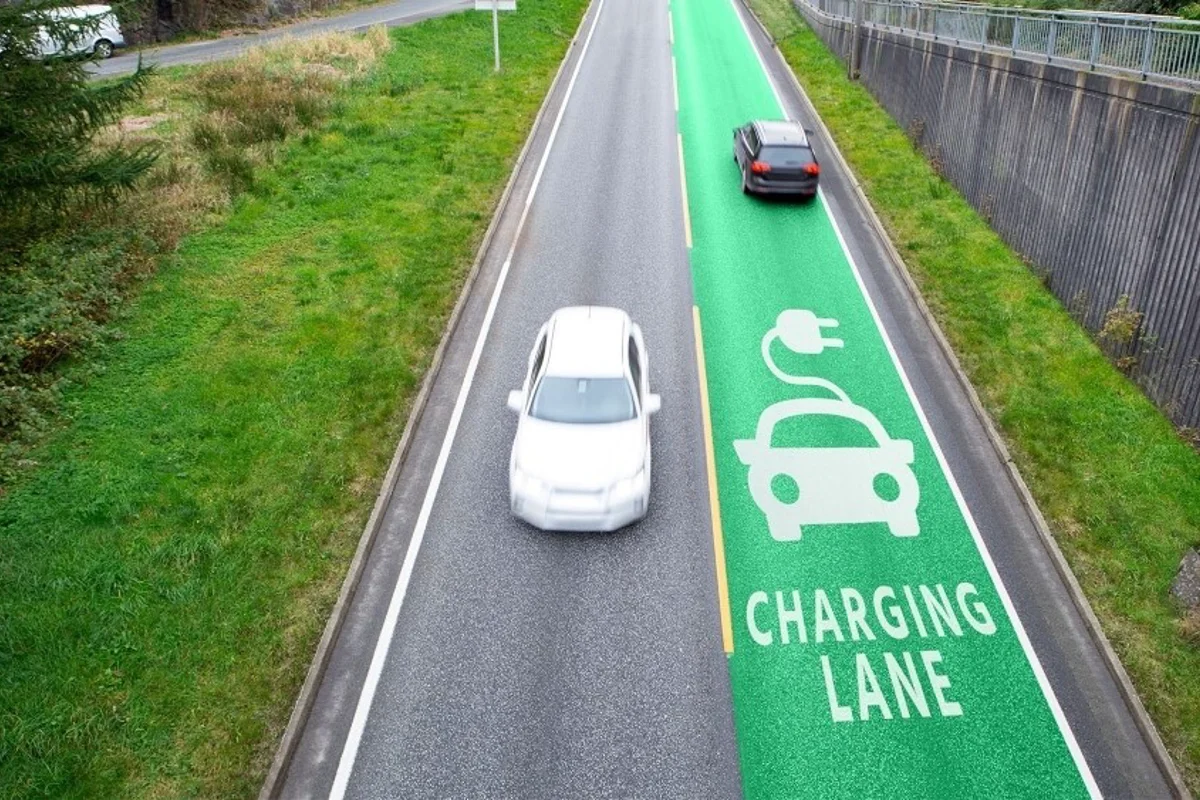
The country is building the world’s first permanent electrified highway, where EVs will charge seamlessly as they drive. Set to be completed by 2025, this game-changing e-motorway promises to eliminate range anxiety, transforming the way we think about electric mobility and paving the way for a sustainable, emission-free future.
“If we electrify 20,000km of highways, that will definitely be enough. The distance between two highways is never more than 45km, and electric cars can already travel that distance without needing to be recharged. Some believe it would be enough to electrify 5,000km,” said Hans Säll, CEO of the eRoadArlanda consortium.
Breaking free from fossil fuel
What sets this project apart is its bold focus on heavy-duty vehicles—energy-hungry giants of the road that demand constant power. If it succeeds, it could slash freight transport emissions and revolutionize how goods move across Europe. A leap forward in green mobility could make real-time charging the new norm.
At the heart of this innovation is Sweden’s drive to break free from fossil fuels by 2030, aiming for a 70 per cent cut in transport emissions. The electrified road linking Stockholm Arlanda Airport to a key logistics hub tackles two major hurdles: keeping EVs charged over long distances and driving down the cost of battery production. It’s not just a road—it’s a fast lane to a cleaner, smarter future.
Construction kicked off in 2023 and is slated for completion by 2025. The system will install induction coils beneath the surface of the left lane at intervals of 10 to 30 feet. As compatible EVs travel over these embedded coils, onboard sensors will activate wireless power transfer—allowing vehicles to charge seamlessly without stopping.
Advantages of the project
Dynamic wireless charging - The system integrated into Sweden’s EV highway uses induction coils embedded in the road to wirelessly charge electric vehicles as they drive. Vehicles fitted with compatible receivers can effortlessly recharge their batteries on the move, eliminating the need for traditional plug-in stops. Unlike today’s “static” charging methods that require vehicles to pause for a power boost, this cutting-edge approach enables continuous charging during everyday travel. By recharging on the go, EVs could soon match or even surpass the range convenience of gasoline-powered cars.
Reduced battery pack sizes due to the dynamic charging feature. With continuous charging available, EVs wouldn’t require large, expensive batteries to cover long distances. Research from Chalmers University of Technology in Sweden suggests this technology could cut the required battery capacity by as much as 70 per cent.
Smaller batteries translate to lower manufacturing costs, which could bring down the overall price of electric vehicles. This addresses one of the key barriers to widespread adoption, making EVs more accessible for both individual buyers and cost-conscious fleets. In doing so, dynamic charging tackles two of the biggest challenges hindering mainstream EV adoption: range anxiety and high costs.
Sweden has been at the forefront of testing dynamic charging through several temporary electrified road pilot projects. In 2018, the country unveiled the world’s first operational segment near Stockholm—a one-mile stretch equipped with conductive rails that successfully powered trucks and buses in motion.
Subsequent trials expanded on this innovation, including wireless induction experiments. Notably, a 2020 project in Visby electrified a road for heavy vehicles using the same contactless charging technology planned for the upcoming permanent highway. These pilot initiatives proved the concept’s practicality, safety, and scalability, laying the groundwork for a national breakthrough in EV infrastructure. Inspired by Sweden’s advancements, other countries are beginning to explore their own versions of electrified highways. Norway plans to implement dynamic charging on segments of major routes, with initial projects set to launch in 2025. The UK is also actively researching roads equipped with induction charging technology.












_md.webp)
_md.webp)
_md.webp)