China eases aluminium shortage after Iran conflict, but pressure shifts to Western fabricators
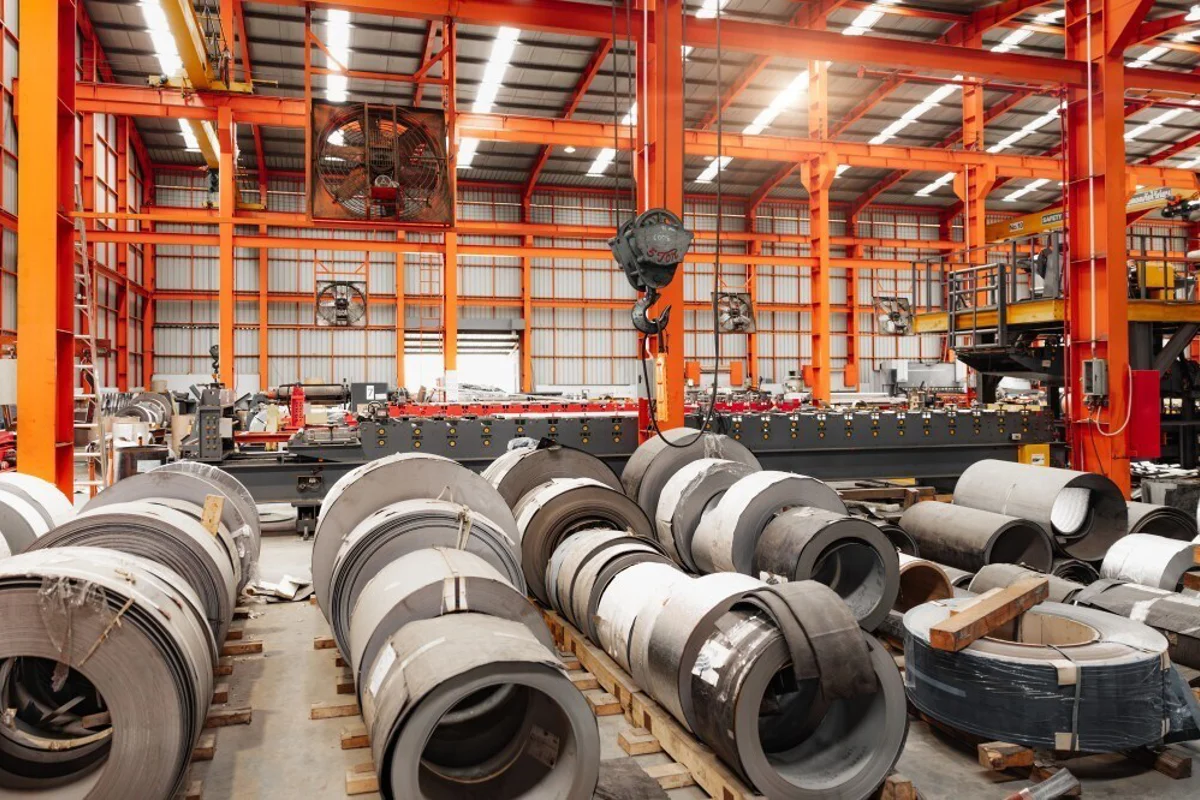
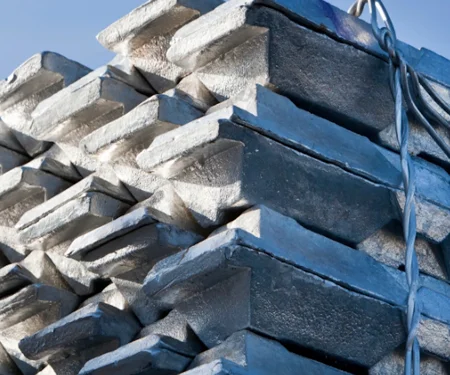
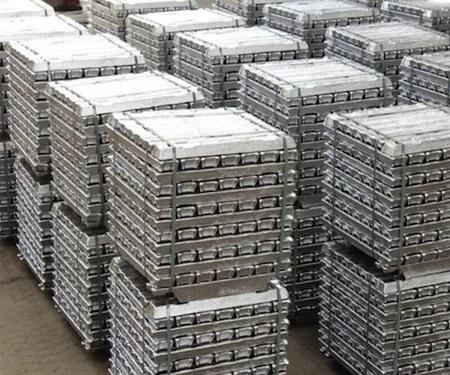
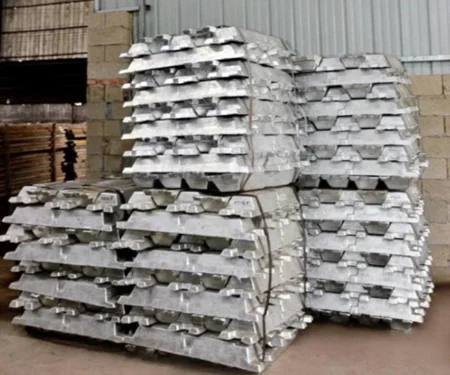
Stock image for referential purposes only
China is helping cushion Western aluminium markets after production losses in the Gulf caused by the Iran conflict. Yet the export surge could come with a longer-term cost: more aluminium processing activity may shift from Western manufacturers to Chinese producers.
China, the world’s largest aluminium producer, has increased exports of primary metal, alloy and semi-finished aluminium products as Western supply chains adjust to reduced Gulf output. The additional material has helped reduce the market’s immediate supply stress.
Alloy and semis drive exports
China’s export pattern is strongly shaped by its tax system. Primary aluminium exports face a 30 per cent tax, while aluminium alloy and semi-finished products, known as semis, can be exported at a zero tax rate.
As a result, much of the extra volume is leaving China as alloy, bar, rod, tube and other processed products rather than unwrought primary metal.
China’s primary aluminium exports rose 32 per cent year on year to 38,400 tonnes in the first half of 2026. However, much of that volume is likely Western-origin metal stored in Chinese bonded warehouses and redirected to Western markets. For example, Chinese data recorded exports of 9,700 tonnes to the United States in January to June, while US customs data showed only 70 tonnes of Chinese imports over the same period.
Alloy exports rose faster, nearly doubling to 238,500 tonnes in the first six months of the year. China became a net exporter of aluminium alloy in June for the first time since 2019.
Semi-finished aluminium exports reached 3.2 million tonnes in January to June, up 18 per cent year on year. June shipments totalled 695,000 tonnes, a monthly record.
To know the production, demand and consumption forecasts on bauxite and alumina, explore the report "Global Bauxite & Alumina Market Forecast to 2036: Supply–Demand, Trade Flows & Price Outlook"
Relief comes with a trade-off
Chinese alloy and semi-finished products cannot directly replace the primary aluminium and alloy volumes lost from the Gulf. Instead, they reduce the need for unwrought metal by supplying material further along the manufacturing chain.
That provides short-term relief for buyers, but it creates a challenge for Western fabricators. When overseas customers import Chinese bars, rods, tubes and other semi-finished products, they may buy less raw aluminium for local conversion.
The result is a potential relocation of fabrication activity from the West to China. This has been a recurring concern for Western policymakers, many of whom have imposed anti-dumping duties on Chinese aluminium products.
Beijing removed its 13 per cent value-added tax export rebate on aluminium products in December 2024, a move that initially reduced semi-finished exports. Volumes fell 18 per cent to 890,000 tonnes last year as Chinese processors shifted sales towards the domestic market.
However, the Iran conflict, disrupted Gulf supply and weaker demand at home have revived Chinese exports.
Explore primary aluminium suppliers, product listings and trade opportunities on AL Biz
Weak demand leaves China with export capacity
China’s domestic aluminium demand has been subdued in the first half of 2026. Citi’s end-use tracker fell 0.4 per cent year on year, reflecting weakness in traditional demand sectors, particularly construction.
At the same time, China’s primary aluminium production rose 2.2 per cent. The country’s smelters are operating close to, or slightly above, Beijing’s annual 45-million-tonne capacity cap.
Shanghai Futures Exchange aluminium inventories have declined recently but remained at 422,097 tonnes, higher than the London Metal Exchange inventory of 358,000 tonnes, including off-warrant stocks.
This gives China room to maintain elevated aluminium exports, offering continued support to a Western market affected by Gulf supply disruption.
Price premium fades
The rise in Chinese exports has reassured the London Metal Exchange market. Three-month aluminium has retreated from a four-year high of USD 3,787.50 per tonne in early June to USD 3,270.00 per tonne.
That is only around USD 100 per tonne above the price before the United States and Israel began military action against Iran on February 28.
China’s exports are therefore helping to limit the aluminium shortage and reduce the war-related price premium. However, the longer Western buyers depend on Chinese semi-finished products, the greater the risk that fabricators outside China lose orders, capacity and investment.
Unlock key insights from leading companies and experts across the aluminium ecosystem with our e-Magazine - Mine to Market: Aluminium Producers & Manufacturers 2026
Women’s shelter gets billion-dollar “smelter” boost in hilarious mix-up
Next articleBell Bay Aluminium conundrum: Can Tasmania close the $60m power gap?
Grow with
AL Circle