Can old trains become new ones? Hydro joins Train2Train aluminium loop

This image has been obtained via official Press Release
Hydro has joined Siemens Mobility, TSR Group and Voestalpine in the Train2Train pilot project aimed at recovering aluminium from decommissioned trains and recycling it into components for new rail vehicles.
The project brings together the rail value chain, from train dismantling and material recovery to recycling, processing and manufacturing, with a focus on material traceability and circularity.
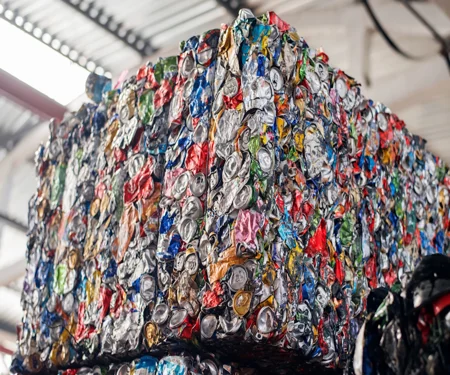
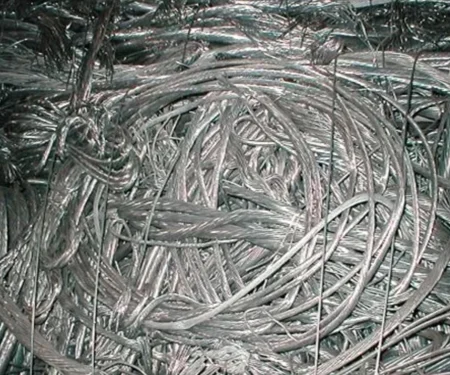
As part of the pilot, TSR Group will dismantle end-of-life rail vehicles and recover aluminium and steel for recycling. The recovered aluminium will be sent to Hydro’s recycling facility in Ghlin, Belgium, where it will be melted and processed into extrusion billets. These billets will then be used as input material at Hydro’s extrusion facility in Harderwijk, the Netherlands, to produce new rail components. TSR will send the recovered steel to Voestalpine for recycling and further production.
Hydro said the project demonstrates how aluminium can remain in circulation within the rail sector rather than leaving the value chain at the end of a train’s service life.
“Aluminium can be recycled repeatedly without losing its properties. By combining recycling expertise, digital traceability and manufacturing capabilities, we can create new opportunities for circular solutions in the rail industry,” said Piotr Chmielewski, Vice President, Automotive, Rail and Automation, Hydro Extrusions Europe. He added that the project supports Hydro’s ambition to accelerate the transition towards a more circular and low-carbon aluminium industry.
At Hydro’s Ghlin recycling facility, a mass-balance approach will be used to integrate aluminium from decommissioned trains into existing material flows and recycling processes. According to Hydro, this ensures that the volume of recycled aluminium produced corresponds precisely to the volume of end-of-life aluminium entering the facility.
The Train2Train project is intended to demonstrate that materials from a decommissioned train can be recovered, recycled and eventually used to manufacture a new train. Hydro said the approach could also help strengthen control over material flows at a time when global supply chains are facing increasing pressure.
Hydro currently supplies aluminium solutions for rail applications including train structures, interiors and components, with expertise spanning extrusion, recycling and low-carbon aluminium production.
St Helens launches foil recycling campaign with ‘scrunch test’
Next articleCanada’s recycled aluminium sector: Key initiatives since 2021
Grow with
AL Circle