Bauxite transport and traceability: Why tracking the cargo back to the mine is difficult
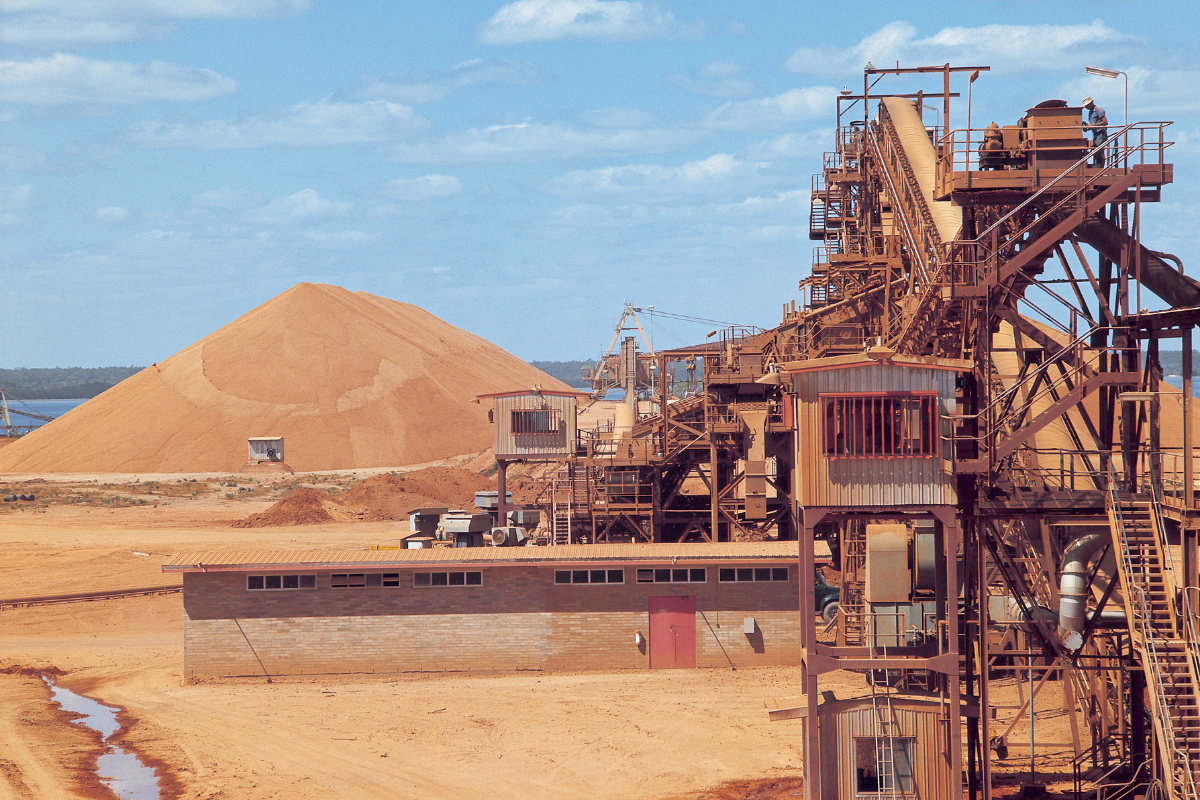
Stock image for referential purposes only
Bauxite is the starting material for alumina refining and primary aluminium production, but its route from mine to refinery is rarely as simple as a labelled shipment moving from one country to another. Unlike fabricated metal products, bauxite is usually traded as a loose bulk mineral. It is loaded into stockpiles, trucks, rail wagons, barges and bulk carriers, often passing through multiple handling points before reaching an alumina refinery.
This logistics model keeps transport costs low for a high-volume commodity, but it also makes mine-level origin difficult to establish. The key question for traders, refiners and downstream buyers is therefore not only about where a cargo was loaded but where the ore was actually mined and whether that origin can be traced and documented along the process chain.
Explore the production, demand and consumption forecasts of bauxite and alumina in our report: "Global Bauxite & Alumina Market Forecast to 2036: Supply–Demand, Trade Flows & Price Outlook"
Bulk carriers remain the main route
Bauxite is generally not packed in conventional containers, drums or sacks when shipped to alumina refineries. The material is typically crushed or screened, transported loose and loaded directly into dry-bulk vessel holds. The U.S. Environmental Protection Agency notes that bauxite is routinely moved by ship, rail and truck, while UNIDO has described dedicated bauxite carriers as among the specialised vessels used in the trade.
The main forms of bauxite transport can be grouped into three operating systems.
Mine-to-terminal bulk systems
These systems move bauxite from the pit to crushers, beneficiation plants, stockpiles, railheads, ports and refineries.
- Mine haul trucks / off-highway dump trucks: Carry run-of-mine bauxite from the pit to crushing, screening, washing, beneficiation or mine stockpile areas.
- Tipper trucks / bulk road trailers: Move loose bauxite over short or medium distances between mine, stockpile, railhead, port, refinery or transshipment point.
- Conveyor belts: Provide continuous mine-to-plant or mine-to-port movement where fixed infrastructure is viable.
- Open or semi-open rail wagons / hopper cars: Carry crushed or screened bauxite in bulk from mine districts to ports, refineries or stockyards.
- Barges / river barges: Transfer bauxite from river or shallow-draft terminals to ports, offshore transshipment points or larger ocean-going vessels.
- Stockpiles and port-terminal handling systems: Act as intermediate storage and blending points, allowing ore to be accumulated, managed for quality and loaded into vessels; these are logistics systems rather than transport units.
Long-distance export shipping systems
These systems move bauxite between regions and continents, mainly to alumina refineries.
- Dry-bulk carriers: The standard long-distance ocean transport for refinery-grade bauxite; ore is loaded loose into cargo holds. Bulk carriers include Handymax, Panamax, Capesize and specialised bauxite carriers.
- Self-unloading or self-discharging bulk vessels: Use onboard conveyor and discharge systems to unload bulk bauxite directly to shore facilities where such infrastructure is available.
- Standard ISO dry containers with bulk liners: Used for smaller bauxite lots, trials, samples, niche grades or destinations without dry-bulk infrastructure; bauxite is loaded loose inside a liner.
- Open-top ISO containers with tarpaulin covers: Generally an alternative to standard dry containers for heavy cargo, used for crane-loaded, smaller bulk lots where top loading is required.
- Open-top containers with removable hard lids: Used for dense, moisture-sensitive or segregated mineral lots; the hard lid protects bauxite from rain, dust loss and contamination during road, rail and port handling.
Processed or speciality product systems
These systems handle dried, calcined, beneficiated, sized, ground or otherwise processed bauxite for refractory, abrasive, cement, chemical and other non-metallurgical uses.
- Covered rail hoppers: Move dried, beneficiated, calcined or fine bauxite grades where rain, dust and contamination must be controlled.
- Sealed bulk tankers or pneumatic trailers: Used mainly for dry, ground or powdered processed bauxite, where enclosed transport and dust control are required.
- Flexible intermediate bulk containers (FIBCs / jumbo bags / supersacks): Used for segregated lots of processed, dried, calcined, sized or specialty bauxite; also useful for trials, samples and customer-specific grades.
- 25 kg or 50 kg lined bags on pallets: Used for powdered, ground, refractory-grade or laboratory-scale processed bauxite shipments requiring high moisture protection, batch control and easier manual handling.
Looking for alumina refinery raw materials? Compare grades, explore sourcing options, and connect with global suppliers on AL Biz.
Why the final vessel does not tell the full story
The complexity becomes particularly clear in Guinea, where the distance between the mine and the vessel carrying the cargo overseas can create a significant traceability gap.
A large Capesize vessel may show that a substantial bauxite cargo is being loaded and where it is headed, but that alone does not necessarily reveal the mining company that produced the ore. The material may have travelled through several logistics stages before reaching the export vessel.
This is where tracking different vessel types becomes important. Smaller vessels, including tugs, can transport bauxite from inland or upstream loading points before the material is transferred to larger Capesize vessels closer to the coast. Identifying a proximity event between the two vessels can help establish when such a transfer took place.
Tracing the tug's preceding voyage can then point towards the terminal where the material was originally loaded. If that terrestrial terminal is associated with a particular producer, the cargo can potentially be linked back to the mining company.
This effectively connects three otherwise separate parts of the supply chain: the vessel carrying the export cargo, the terminal from which the material originated and the mining company behind the ore.
The distinction matters because monitoring only national export volumes can conceal changes within the producer landscape. A country may continue exporting large quantities of bauxite even as individual concessions change hands, producers enter or leave the market, or particular terminals become more or less active.
The EGA-to-Kimba transition in Guinea illustrates this point. EGA was a significant bauxite exporter in 2023 and stopped exporting after May 2024 after failing to develop a domestic refinery. Kimba Mining Company subsequently took over the concession previously held by EGA, with its bauxite exports appearing in the data from October 2025 and continuing into 2026.
Therefore, for market participants, bauxite traceability is not simply a question of identifying the country, port or final vessel. It requires following the cargo through the chain of transport and handling points that separates the mine from the ocean-going ship.
Unlock key insights from leading companies and experts across the aluminium ecosystem with our e-Magazine - Mine to Market: Aluminium Producers & Manufacturers 2026
Kpler has introduced a process that combines vessel-tracking and commodity data to link individual bauxite cargoes to their commercial producers. In Guinea, where Capesize vessels often load at offshore anchorages rather than directly alongside the mine-linked terminal, Kpler identifies proximity events between the Capesize vessel and smaller vessels or tugs carrying the bauxite.
It then traces the tug’s preceding voyage back to the specific terrestrial terminal involved in the transfer. By linking that terminal to a known mining operation or commercial entity, the process can connect an export cargo not merely to the vessel that carried it, but back to the producer that loaded the bauxite in the first place.
Note: This is exclusive coverage by AL Circle and may not be reproduced, republished or shared without prior permission.
India invites applications for new mineral exchanges with bauxite among five tradable minerals
Next articleA $1.8 billion bet to keep Brazil’s bauxite flowing until 2041
Grow with
AL Circle