Ghana to ban raw bauxite exports by 2030 under $1.5bn processing plan
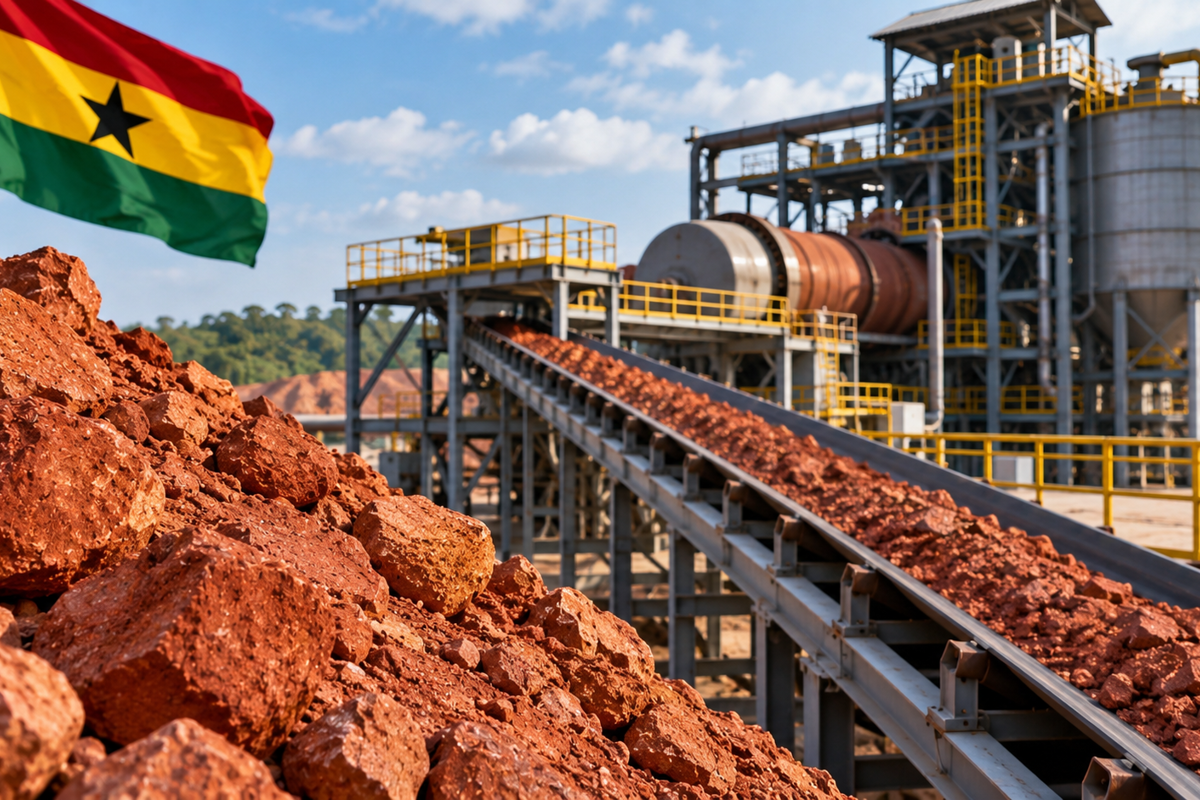
The image used in this article is generated with an AI tool and does not depict any real-time moment
Ghana plans to prohibit raw bauxite exports by the end of 2030 as the government steps up efforts to develop domestic mineral processing and strengthen its aluminium value chain. The initiative forms part of a USD 1.5 billion investment programme targeting the processing of manganese, bauxite, lithium and gold, announced by Finance Minister Dr Cassiel Ato Forson during the presentation of the 2027 Budget Statement and Economic Policy in Parliament on November 12, 2026.
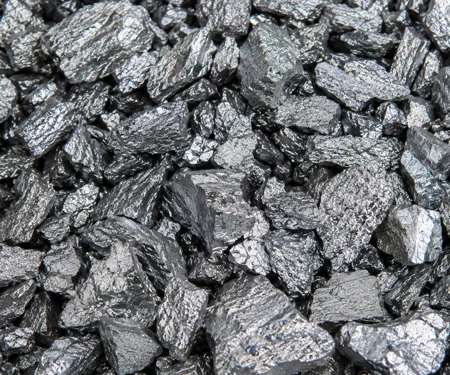
Under the government's targets, at least 50 per cent of Ghana's manganese and bauxite will be processed locally by the end of 2028, with full domestic processing planned by 2030. The policy is intended to move the country away from exporting raw minerals towards retaining more value through local industrial activity.
"By the end of 2030, Ghana will process all its manganese and bauxite locally and prohibit raw manganese and bauxite exports," Ato Forson said.
Explore the production, demand and consumption forecasts of bauxite and alumina in our report: "Global Bauxite & Alumina Market Forecast to 2036: Supply–Demand, Trade Flows & Price Outlook"
Ghana targets domestic alumina and aluminium production
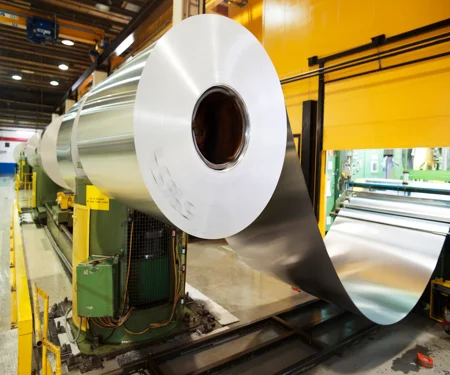
Bauxite processing is expected to play a central role in the government's downstream industrialisation plans. Ghana intends to use its bauxite resources to support domestic alumina and aluminium production, although the government has not specified production volumes or a detailed implementation timeline for individual facilities.
The proposed investment will be channelled through the government's New Economy Programme, which aims to establish a broader mineral-processing industry. A key part of the initiative is a planned 24-hour critical minerals processing enclave in the Western Region, intended to support industrial operations and strengthen local processing capacity.
The government expects the programme to generate greater value within Ghana through increased export earnings, skilled employment, stronger participation by domestic suppliers and technology transfer. Environmental performance will also be included in the assessment of its progress.
Unlock key insights from leading companies and experts across the aluminium ecosystem with our e-Magazine - Mine to Market: Aluminium Producers & Manufacturers 2026
Mineral processing drive extends beyond bauxite
Alongside bauxite and manganese, Ghana's programme includes plans to expand domestic lithium processing towards battery materials and components.
The government also intends to reduce exports of unrefined gold from the artisanal and small-scale mining sector. It is targeting local refining of at least 70 per cent of gold produced by small-scale miners by December 2027, increasing to 100 per cent by December 2028.
The proposed changes form part of Ghana's wider effort to develop domestic processing industries rather than depend on raw mineral exports. For the country's aluminium sector, the planned bauxite export ban and investment in local processing could mark an important step towards building a more integrated domestic value chain.
Looking for alumina refinery raw materials? Compare grades, explore sourcing options, and connect with global suppliers on AL Biz.
Grow with
AL Circle












_md.webp)