Bauxite on the move: Cameroon adopts interim route to unlock Minim-Martap exports

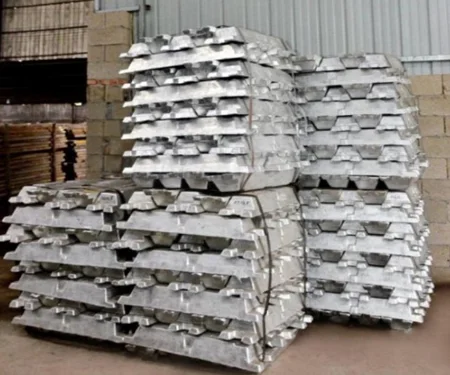
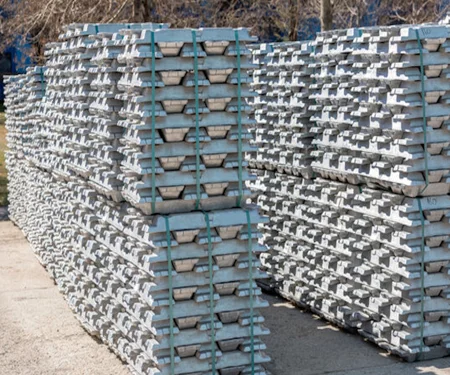
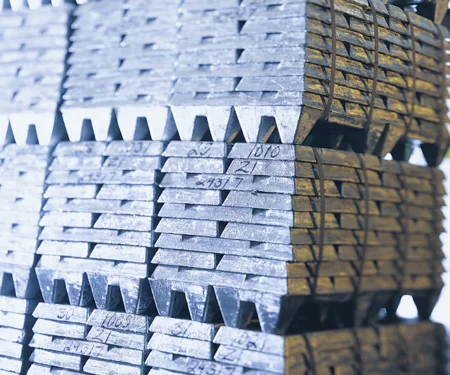
Stock image for referential purposes only
Cameroon’s Minim-Martap bauxite project is moving closer to export readiness, with project developer Camalco adopting an interim coastal shipping solution to bridge existing infrastructure constraints and bring its ore to international markets. The move may extend the nation's goal of strengthening its aluminium value chain.
Camalco, the subsidiary of Australia-listed Canyon Resources, is expected to finalise an agreement with Cameroonian shipping operator Gulfcam to transport bauxite between the ports of Douala and Kribi. Although considered a temporary arrangement, the step was necessary to initiate exports from the Minim-Martap deposit located in the Adamaoua region.
Explore: The most comprehensive and forward-looking industry-focused report — Global Bauxite & Alumina Market Forecast to 2036: Supply–Demand, Trade Flows & Price Report
Under the present logistics framework, bauxite will be transported by rail from Ngaoundéré to Douala before being transferred by sea to Kribi. The adjustment became necessary after Douala port proved unsuitable for accommodating large bulk vessels required for export shipments. Kribi’s deep-water facilities, on the other hand, are better positioned to handle international bulk cargo movements.
The agreement is expected to strengthen Gulfcam’s position in Cameroon’s emerging coastal shipping segment, as the company expands operations between the country’s two major ports.
Long-term vision extends beyond bauxite exports
The temporary shipping arrangement aligns with a broader strategy led by Canyon Resources’ majority shareholder, Indian businessperson Gagan Gupta. Through Singapore-based Eagle Eye Asset Holdings, also known as Fortuna Holdings, Gupta controls a majority stake in Canyon Resources and has outlined ambitions to develop a more integrated aluminium value chain in Cameroon.
Part of that vision includes strengthening ties with the country's aluminium industry, particularly through interest in the operations of Alucam, Cameroon’s aluminium producer with processing facilities in Édéa.
Rail corridor project gains momentum
While coastal shipping offers an immediate solution, the long-term objective remains the development of a direct rail connection between Édéa and the Port of Kribi. On June 4, Philippe Labonne, the CEO of Africa Global Logistics (AGL), signed a memorandum of understanding (MoU) with a Camrail shareholder, Camalco, and Cameroon’s Minister of Transport, Jean Ernest Ngallé, supporting the proposed railway project.
The railway connection is likely to play a critical role in streamlining bauxite exports, while at the same time reducing logistics costs. However, the timeline for the project to become operational is estimated at around five years.
Alumina ambitions face an energy challenge
Beyond raw material exports, Cameroon is also exploring the potential of establishing alumina refining capacity near the port of Kribi. This would allow the nation to capture greater value from its bauxite resources and accelerate progress in its downstream aluminium sector.
However, power availability remains an obstacle in the way. Existing electricity infrastructure is insufficient to support large-scale alumina refining, a highly energy-intensive process. Power generation capacity expansion would therefore be a prerequisite before launching any alumina project.
For the time being, focus remains on securing a reliable export route for Minim-Martap, while longer-term plans continue to centre on transport infrastructure development and the creation of a more integrated aluminium industry in Cameroon.
Participate in our upcoming e-Magazine - Mine to Market: ALuminium Producers & Manufacturers 2026

Venezuela's bauxite reserves draw India's attention as mineral talks expand
Next articleGhana's mining future depends on local investment, not just ownership debates, says industry expert
Grow with
AL Circle