Metro Mining’s June bauxite shipments jump 29% as Q2 volumes hit record 1.8 million WMT
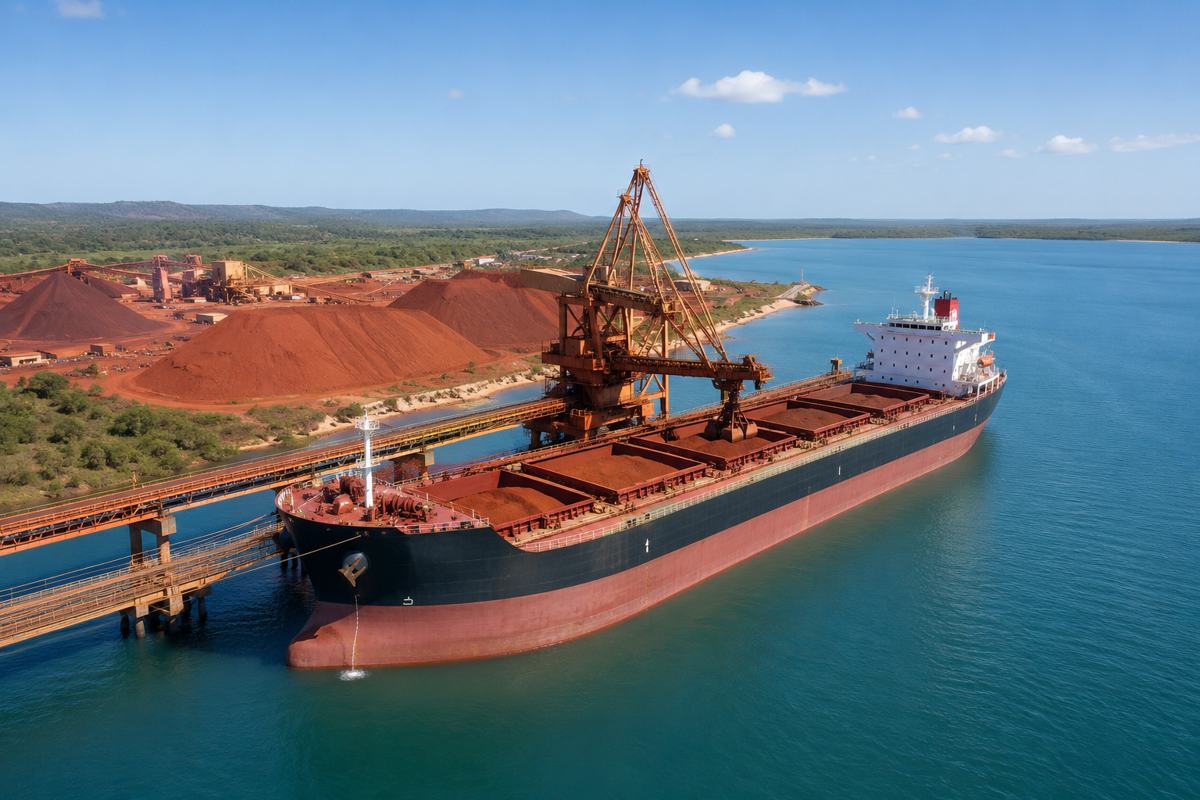
The image used in this article is generated with an AI tool and does not depict real-time moment
Australia-based bauxite producer Metro Mining closed June 2026 with a sharp month-on-month increase in shipments from its Bauxite Hills Mine in North Queensland, while higher quarterly volumes and a substantial rise in waste stripping marked the company’s second-quarter operational performance.
The company shipped 779,000 wet metric tonnes (WMT) of bauxite in June 2026, a 29 per cent increase from May. During the first three weeks of the month, Metro recorded lower supply-chain variability following the introduction of its new integrated planning and operating system.
Operations, however, faced disruption in the final week of June after Crane 1 on the OFT Ikamba experienced downtime. According to the operational update, debris material contaminated the crane’s hydraulic cylinder system. Repairs are scheduled to take place during the planned July maintenance shutdown, while geared vessels are being used to maintain planned shipping rates.
To know the long-term bauxite market forecast, book our report: “Global Bauxite & Alumina Market Forecast to 2036: Supply–Demand, Trade Flows & Price Outlook”
Q2 shipments rise 7 per cent year-on-year
For the second quarter of 2026, Metro Mining shipped 1.8 million WMT, up 7 per cent from Q2 2025 and marking a record second-quarter result for the company. The performance followed operational recovery from Tropical Cyclone Narelle and the recommissioning of the OFT Ikamba after its dry-dock programme.
Metro’s cumulative shipments reached 1.9 million WMT in the year to date as of the end of June. The company expects shipping rates to increase further during Q3 as operations move into a period characterised by more favourable loading conditions, including improved tidal windows and lower product moisture levels.
The shipping chart included in Metro Mining’s operational update also tracks the company’s 2026 monthly and seven-day average shipping rates against 2025 monthly performance and the shipment rates associated with its full-year guidance range.
Waste stripping volumes surge 160 per cent
Mine development activity also accelerated during the quarter. Metro stripped 745,000 bank cubic metres (BCM) of waste in Q2 2026, a 160 per cent increase from the corresponding quarter of 2025.
The higher stripping volumes followed productivity improvements and the transition of stripping activities to 24-hour operations. Metro stated that the increased activity is intended to keep mining operations aligned with improving shipping conditions.
Meanwhile, the TSA Skardon floating crane has departed for its scheduled five-year statutory dry-dock programme. The vessel is expected to return in mid-September 2026 after a programme that includes the refurbishment of major components. Metro said the costs associated with the dry-dock programme have been pre-funded under the crane’s lease agreement with TSA.
Explore the relevance of red mud in the sustainable aluminium industry in A Comprehensive Analysis of Bauxite Residue (Red Mud): Sustainability, Resource Recovery and Strategic Recommendations
2026 shipment guidance remains at 6.6-7.1 million WMT
Metro Mining has maintained its calendar year 2026 shipment guidance at 6.6 million to 7.1 million WMT.
The company operates the 100 per cent-owned Bauxite Hills Mine, located on the Weipa bauxite plateau in Cape York, approximately 95 kilometres north of Weipa and near the Skardon River coast. The operation produces high-alumina bauxite that is shipped directly to customers using very large ore carriers.
Bauxite volume vs price in 2026: What changed in the global trade curve in Jan-May 2026?
Next articleBauxite volume vs price in 2026: Here’s how Guinea's supply growth coincides with the sharpest shift in the cost curve
Grow with
AL Circle