Aluminum Association CEO: Gulf disruptions lift aluminium prices; industry adapts
Charles Johnson, President and CEO of the Aluminum Association, addressed the ripple effect of the Middle East conflict on the aluminium industry. According to him, global aluminium markets are under the pressure of “elevated” prices as geopolitical tensions in the Gulf region disrupt supply chains.
Explore- Most accurate data to drive business decisions with Global ALuminium Industry Outlook 2026 across the value chain
While the situation has spurred short-term uncertainty with the “closure of the strait”, the industry is continuously adjusting through alternative sourcing, recycling and shifting trade flows.
Supply chains adjust, but gaps remain
In response to the logistical constraints around the Gulf region, as well as the supply crunch due to the disruptions surrounding 9 per cent of global aluminium smelting capacity, the US-based manufacturers are actively diversifying sourcing strategies.
Supplies from regions such as Canada are helping mitigate the supply squeeze for bulk aluminium demand. Johnson said that “most American producers are reaching for other sources of global smelted aluminium.”
However, alternatives have not yet emerged for all the segments. The CEO referred to “some very specific extrusion billets that are going to be harder to source,” adding that such “supply chain adjustments are going to take longer and be a little bit more severe.”
Direct impact on facilities raises concern
Beyond logistics, recent military activity targeting industrial sites has added another layer of risk. “We did see two aluminium facilities directly targeted for military action, and that’s very concerning for us,” Johnson noted.
Such developments have heightened concerns around operational continuity and workforce safety in the region. “More than anything else,” he emphasised, “we want to make sure that the men and women that are working in our industry are safe.”
Nonetheless, emphasising that mechanisms are already in place to absorb disruptions over time, Johnson stated, “This is not the first supply chain disruption… the industry does have processes in place to adjust.”
While short-term uncertainty is expected to persist, particularly if disruptions continue, the broader supply-demand balance is likely to stabilise as trade flows realign.
Don't miss out- Buyers are looking for your products on our B2B platform
Tariffs reshape trade dynamics
Along with geopolitical tensions, evolving trade policies are also influencing market dynamics. Recent changes to US tariff structures, including duties on derivative aluminium products, are reshaping import patterns.
Johnson described these measures as broadly supportive for domestic producers, stating, “In general, it was a very good action for the industry and for American producers.”
On April 7, the Aluminum Association issued a statement, lauding President Trump’s executive order to alter the Section 232 derivative tariffs valuation process, whereby certain aluminium products will be categorised on their full value instead of solely on the percentage of aluminium content in them. The move aims to close gaps where primary aluminium was being routed through downstream products to bypass earlier trade restrictions.
The decision was also praised by US Aluminum Extruders Coalition (USAEC) and the American Primary Aluminum Association (APAA).
However, the industry is continuing to engage with policymakers to ensure the correct classification of certain products.
Recycling and rerouting support resilience
Producers are increasingly turning to secondary aluminium and alternative logistics routes to counter supply constraints. In the US, “recycled metal” or recycled aluminium now accounts for a significant share of supply.
“More than half of what we use in the United States is recycled metal that we have right here at home,” Johnson elaborated.
Meanwhile, producers in the Middle Eastern region are exploring overland transport routes to maintain material flow despite maritime disruptions.
North American trade alignment in focus
Further developments in regional trade agreements are expected to shape aluminium flows.
The industry is advocating for a coordinated approach across North America to ensure balanced trade and shared protections.
Addressing this point, Johnson said, “Any agreement… must include protections for the entire North American region.”
Volatility persists, but adaptation in process
While geopolitical tensions continue to drive volatility in aluminium markets, the broader industry response points to gradual stabilisation.
Through a mix of supply chain adjustments, increased recycling and policy support, the sector is working to navigate current disruptions while maintaining longer-term balance.
Trading aluminium across borders? Find out the exact cost you need to bear for the embedded carbon in the product by using this CBAM calculator.

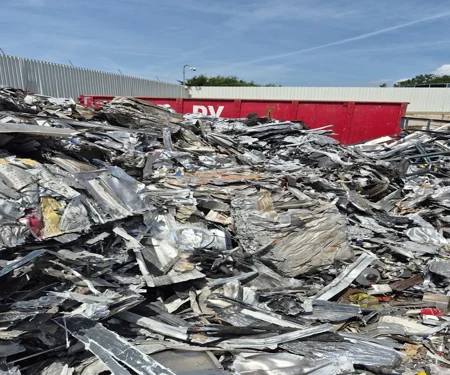
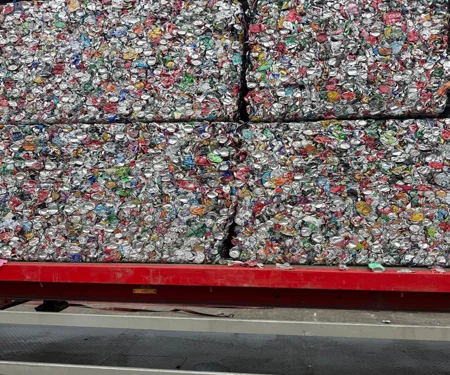
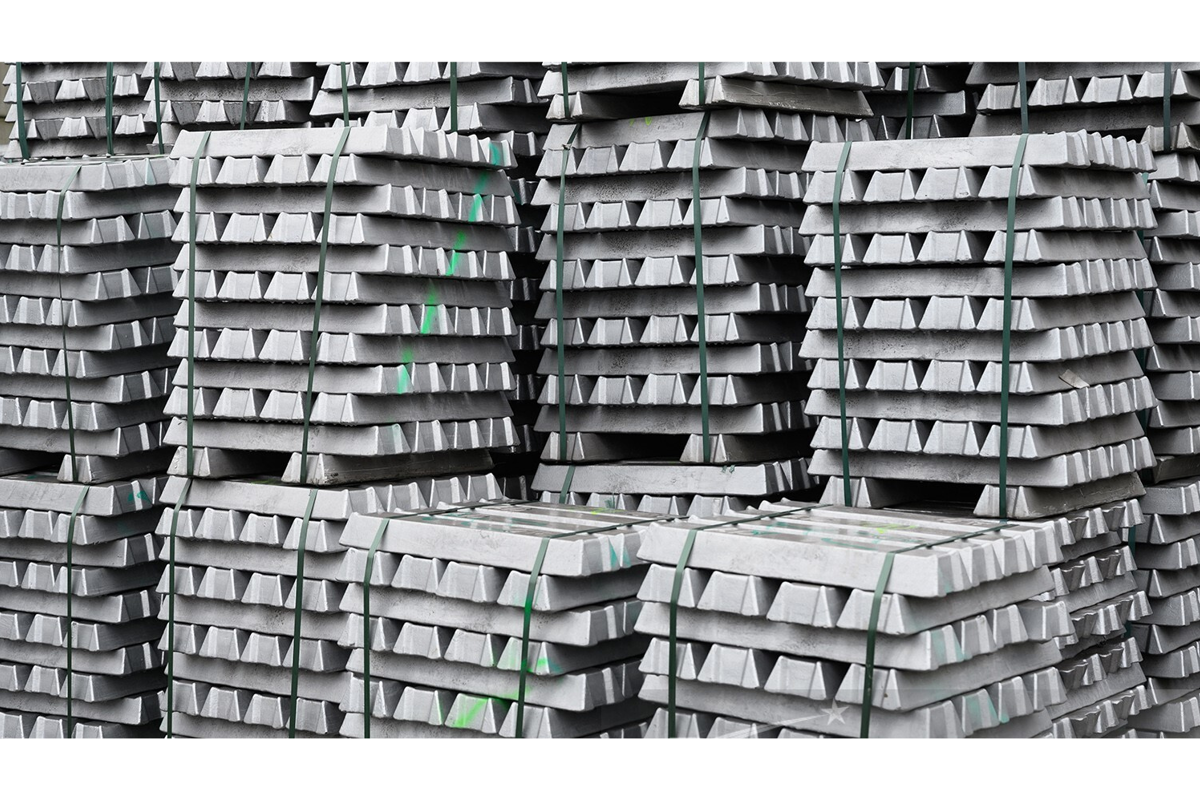
Image for referential purposes only
Chinalco invests over $145M to boost stake in Chalco
Next articleCeasefire eases LME aluminium trend from prices to inventories
Grow with
AL Circle