Aluminium prices and Australian stocks soar as Middle East smelters take the hit

The week opened with global markets on a weak footing, as escalating geopolitical tensions in the Middle East affected investor sentiment, pushing commodity prices, including aluminium, even higher. By midday in Sydney, the S&P/ASX 200 dipped around 1.35 per cent, tracking losses seen across major US indices, viz., S&P 500, Dow Jones Industrial Average and Nasdaq Composite, on Friday the previous week. In response to these developments, a strong rally has been noticed in Australian aluminium stocks.
Explore- Most accurate data to drive business decisions with Global ALuminium Industry Outlook 2026 across the value chain
Shares of Alcoa Corporation climbed over 9 per cent in early trading. South32 surged past 6 per cent and Rio Tinto jumped almost 3 per cent. Investments may have been based on factors of impending supply shortages and stronger aluminium prices in the near future.
The volatility was catalysed by the intensifying conflict in the Middle East. Over the weekend, Iran-backed Houthi forces launched missile strikes on Israel, raising concerns that the situation could take a further plunge.
Don't miss out- Buyers are looking for your products on our B2B platform
EGA and Alba hit: Where does Australian aluminium stand?
The London Metal Exchange (LME) aluminium prices soared approximately 6 per cent, as the two major aluminium facilities in the Gulf region, viz., Emirates Global Aluminium (EGA) and Aluminium Bahrain (Alba), were hit by the drone and missile strikes by Iran on March 28, 2026. Aluminium, known for its energy-intensive production process, remains particularly vulnerable to power instability and geopolitical shocks.
“The safety and security of Alba's people remain its top priority and the Company confirms that 2 of Alba's employees sustained minor injuries. Alba is assessing the extent of the damage to its facilities and remains focused on maintaining its operational resilience and the safety of its employees,” the company commented.
Earlier this month, Alba shut down its facility Lines 1, 2 and 3, accounting for “19 per cent of Alba's total production capacity of 1,623,000 tonnes per annum, as an operational measure to preserve business continuity amid ongoing supply and transit disruptions affecting the Strait of Hormuz.”
Compounding the situation, shipments from the region have already been affected by constraints in the Strait of Hormuz, further tightening global supply.
Despite the short-term gains for producers, Australia’s aluminium sector continues to face structural challenges. High energy costs and the need for policy support remain ongoing concerns.
To add to the list of concerns, in recent times, government backing has been indispensable to sustain key smelting operations. For instance, last week, Rio Tinto secured a USD 2 billion taxpayer handout to keep its bauxite supply base at Weipa, and its Queensland Boyne smelter and the operating. Additionally, the government is also in talks regarding a power subsidy worth USD 470 million for the Tomago Aluminium smelter.
Must read: Key industry individuals share their thoughts on the trending topics
Oil and other industries set records
Moreover, US President Trump’s rhetoric around the Strait of Hormuz, renewing his deadline to reopen the passage by an additional 10 days to “take the oil”, added to market anxiety. Consequently, oil prices reacted sharply, with Brent crude, the international benchmark, surging past USD 117 per barrel.
Around the first week of March, Brent Crude set another record of USD 107.97 per barrel, an all-time high in 3.5 years, churning up worries about rising energy costs and supply disruptions. The ripple effect was quickly felt across commodity markets, including aluminium.
The broader commodities space also reflected this divergence. Energy stocks moved higher, supported by rising oil prices. Lithium increased 0.3 per cent, while technology stocks came under pressure, declining sharply by 5 per cent.
However, with supply risks mounting and logistics under strain, owing to geopolitical developments affecting energy supply and key production hubs, price volatility in the aluminium and allied markets is likely to persist for the time being.
Trading aluminium across borders? Find out the exact cost you need to bear for the embedded carbon in the product by using this CBAM calculator.

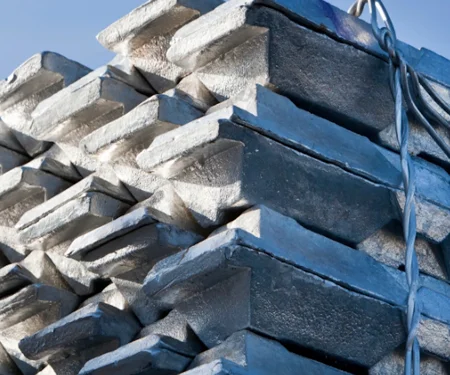
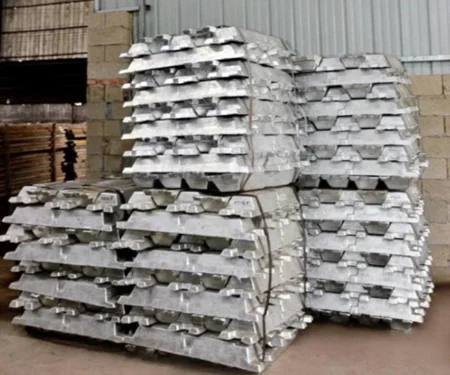
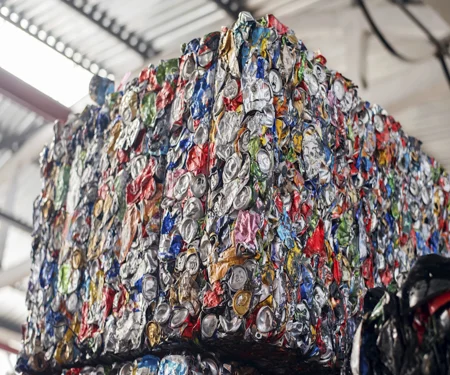
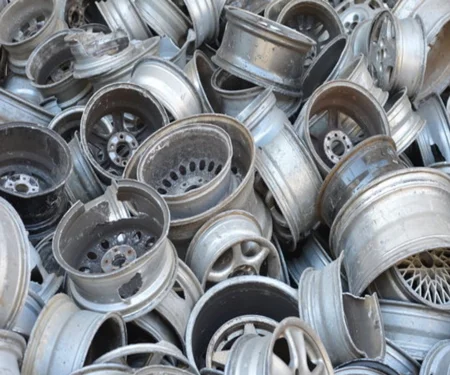
Image for referential purposes only.
LME aluminium surges to $3,492/t from the previous day’s dip following Iran’s attack on EGA and Alba
Next articlePorts of Indiana expands aluminium handling with new bonded facility at Mount Vernon
Grow with
AL Circle