Alcoa reports higher orders following Middle East aluminium disruptions
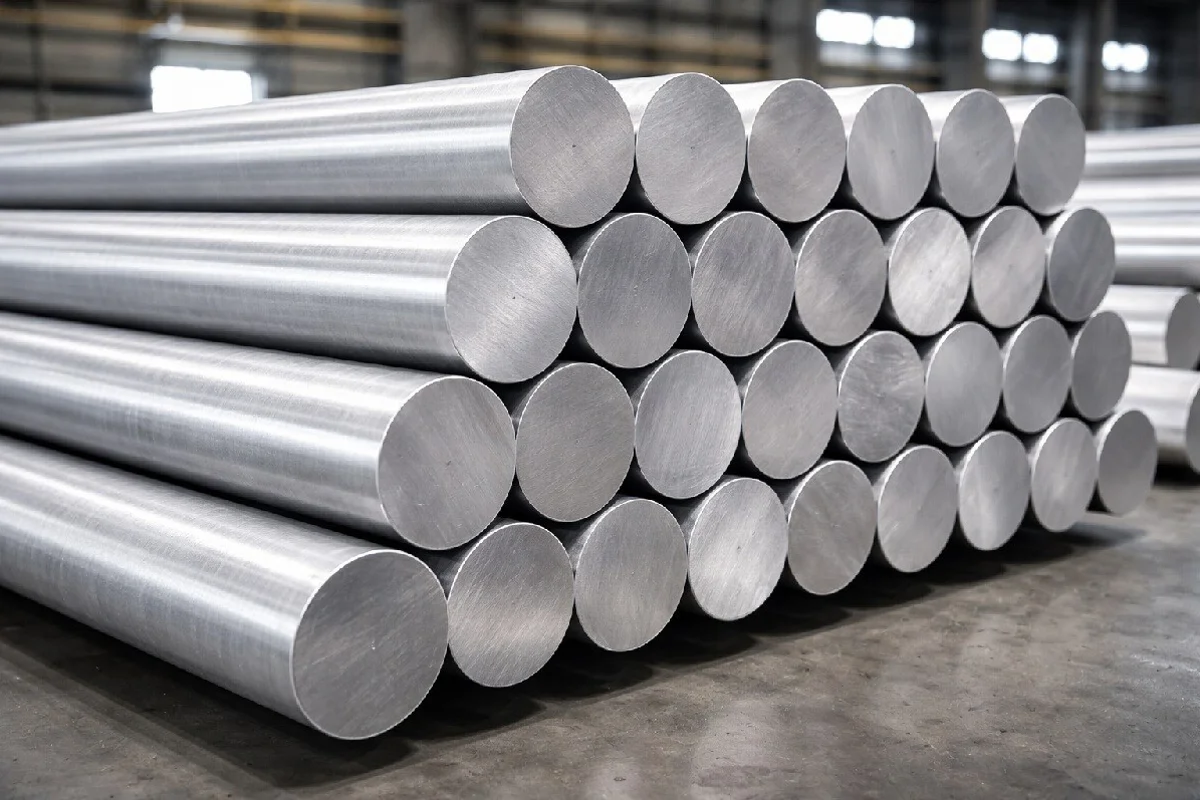
Alcoa has reported an increase in orders as supply disruptions in the middle east continue to alter global aluminium trade flows, tightening availability across key markets.
The shift follows the closure of the Strait of Hormuz, which has redirected significant volumes of metal. Alcoa, which typically ships around 4 million tonnes of aluminium to the Middle East each year to supply smelters, is now placing those volumes in alternative markets. According to Beerman, material that would normally move into the region is being absorbed elsewhere.
Molly Beerman, executive vice president and chief financial officer of Alcoa said, “If you look at the Gulf smelters, they are producing just under seven million tonnes of aluminium. That's about 9 per cent of the global supply. And if you exclude China, it's over 20 per cent of the global supply.”
Explore- Most accurate data to drive business decisions with Global ALuminium Industry Outlook 2026 across the value chain
The situation follows actions by Middle Eastern producers to scale back operations-Qatalum is operating at around 60 per cent capacity, while Aluminium Bahrain (Alba) has shut down three smelting lines, representing 19 per cent of its total capacity, to maintain business continuity amid disruption in the Strait of Hormuz.
Beerman added, "We're actually seeing an uptick in orders from customers and inquiries related to the second quarter and the second half of the year, because these were customers that are taking a portion or a majority of supply from Middle East smelters, and they're now worried about getting supply for the second half.”
The disruption is also beginning to reflect in broader market fundamentals. Aluminium has emerged as an overlooked casualty of the ongoing turmoil, with supply constraints building across the Persian Gulf. TD Securities’ head of commodity strategy, Bart Melek, said a combination of production stoppages and slowdowns in the region could reduce output by around 1.3 million tonnes this year.
This shortfall is expected to push the global aluminium market towards a deficit of approximately 1.9 million tonnes as per various industry reports, tightening supply conditions and supporting demand for available metal outside the affected region.
Don't miss out- Buyers are looking for your products on our B2B platform

China's aluminium processing sector sees modest growth amid peak season demand
Next articleRise and fall in LME aluminium: cash climbs to $3,329/t, stocks slip nearly 1%
Grow with
AL Circle