3-month raw material disruption in GCC may lead to a 1–1.25 MT shortage in primary aluminium production - here’s how
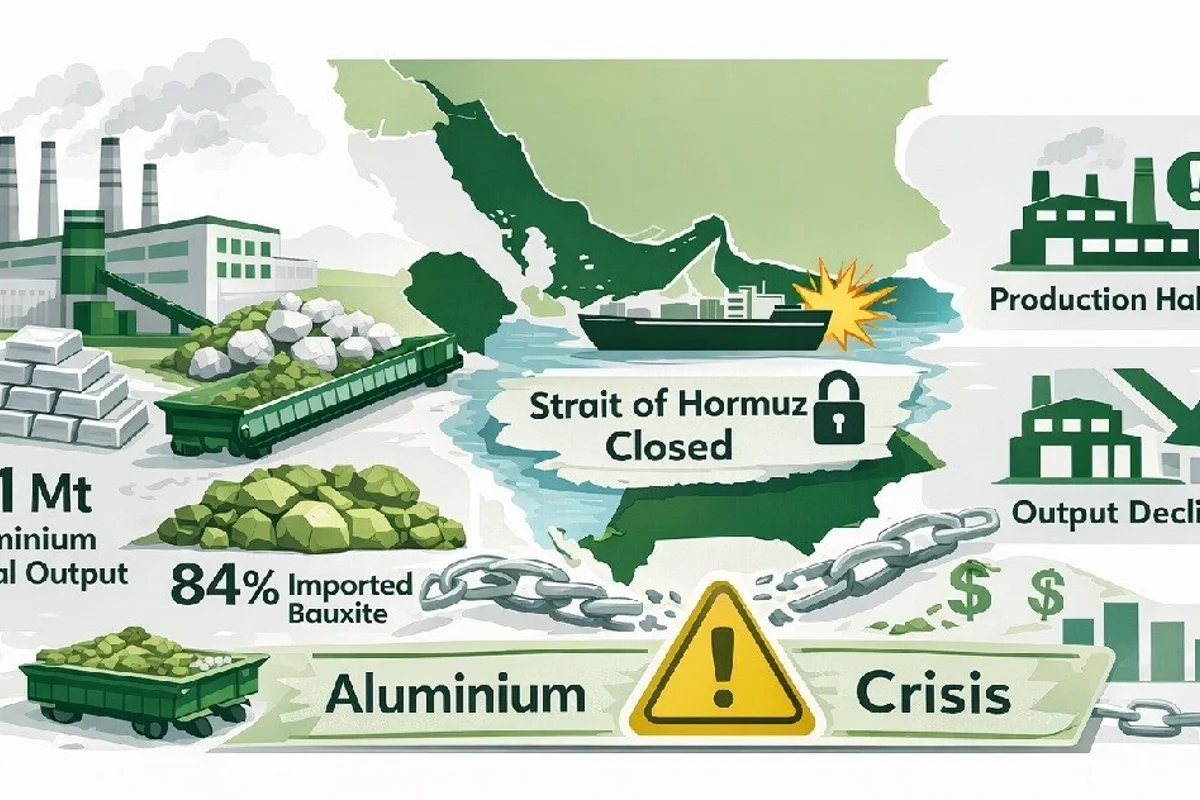
The Middle East’s rise as a global aluminium powerhouse has largely been driven by the Gulf Cooperation Council (GCC). Large, energy-efficient smelters across the region have enabled steady production growth and helped the Middle East secure a stronger foothold in the global aluminium market.
Primary aluminium output increased from 5.8 million tonnes in 2021 to 6 million tonnes in 2022, reflecting a 3.14 per cent year-on-year rise. Expansion continued as production reached 6.2 million tonnes in 2023 and 6.3 million tonnes in 2024, marking growth of 2.35 per cent and 2.07 per cent respectively.
However, momentum slowed in 2025, when output declined to 6.15 million tonnes, a 2.95 per cent drop from the previous year. The slowdown followed raw material supply crisis last year and is still continuing. In this backdrop the question rise: can the region gain back the momentum in the time to come?
Unlock full access – sign up for FREE.
Key benefits
Middle East conflict: Barring India’s crude oil import, fuelling food crisis and aluminium shortage?
Next articleLME aluminium stocks plunge as shortage fears mount
Grow with
AL Circle