Australia weighs $470m subsidy-backed power deal to keep Tomago smelter operational
Australia is negotiating a complex support package to keep the Tomago Aluminium smelter active. The push could lock taxpayers for up to a decade into annual subsidies of a minimum of USD 300 million. Owing to rising energy costs and a lack of affordable long-term renewable power, Australia’s largest aluminium smelter, the Tomago facility, faces potential closure by 2028.
Explore- Most accurate data to drive business decisions with Global ALuminium Industry Outlook 2026 across the value chain
Under the proposed deal, the federal government-owned Snowy Hydro would supply electricity to the smelter. In this structure, Snowy Hydro is likely to acquire renewable energy through long-term contracts at market rates and relay it to Tomago at a lower price, as the government covers the difference.
Identified by Prime Minister Anthony Albanese, the move was regarded as part of an economic reset by him. He stated, “It’s a different world now… We have to build an economy that is more resilient, more self-reliant and geared to our national strengths.”
The Tomago Aluminium smelter consumes between 700 MW and 900 MW of power, accounting for over 10 per cent of New South Wales’ electricity demand, making it a critical industrial asset.
Estimates from industry and government sources suggest the subsidy could range from USD 300 million to USD 470 million annually, potentially amounting to several billion dollars over the agreement’s duration of a decade.
Switching to a renewable power mix of solar, wind, battery and other backup gas supplies might raise the electricity charges. The Australian Energy Regulator predicts that by 2029, this energy mix could cost up to USD 120 per hour, thereby doubling Tomago’s present power deal of USD 60 per hour. Thus, it has been warned that subsidised power could distort the market, effectively creating a two-tier pricing system for industry.
Nonetheless, Federal Industry Minister Tim Ayres did not confirm the figures but emphasised broader benefits. “What the deal will deliver is additional electricity generation and transmission… it will mean lower prices for households and businesses in NSW,” he said.
He further noted, “We’re going to the electricity price and securing supply at the right price to secure the future of the facility. That’s a massive and complex undertaking,” which is “a matter of months, not weeks”.
While the agreement is still under negotiation, it is expected to support new renewable energy investments and ensure the smelter transitions toward greener power over time, as envisioned by the majority holder, Rio Tinto.
Don't miss out- Buyers are looking for your products on our B2B platform

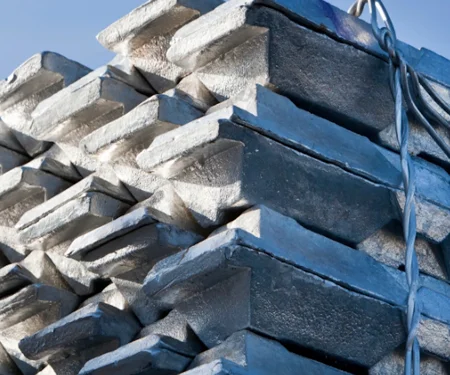
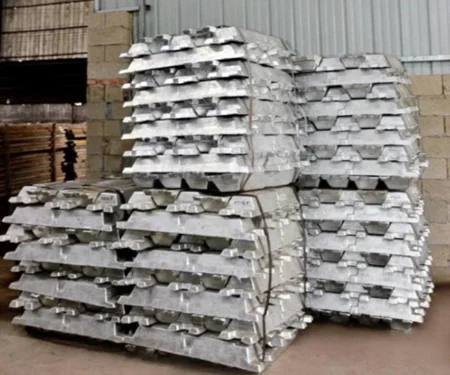
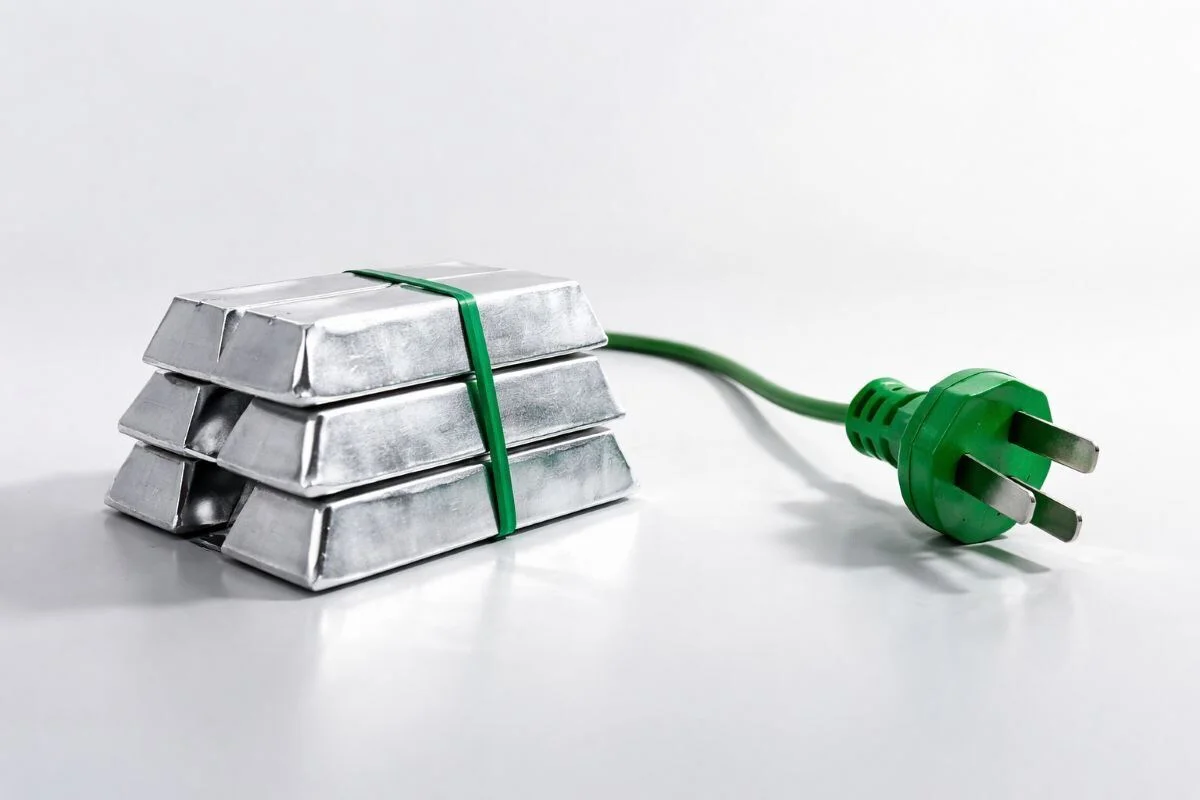
Image for referential purposes only
China’s aluminium inventories rise amidst Middle East supply disruption
Next articleFrom peak to pullback: LME aluminium cash offer retreats from $3,400/t to $3,200/t as tensions ease and prices retreat
Grow with
AL Circle