It’s a tale of two markets, wherein aluminium alloy ingot prices in China are stuck in the mud owing to downsized demand, and the US is witnessing an explosive spike, fuelled by tariffs and supply strains. Let’s break down what’s happening on the opposite sides of the globe.
China is stuck in a demand drought
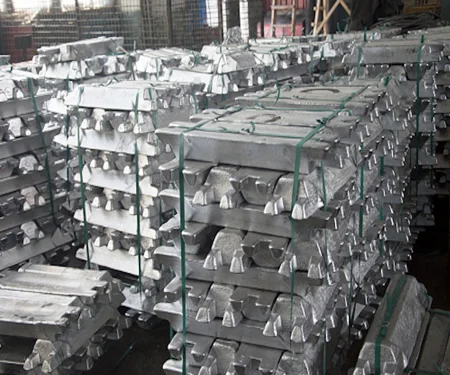
In late February 2025, aluminium alloy ingot prices in China dipped by 0.4 per cent, dragged down by one relentless factor — weak demand. Market participants report that even though work has resumed across upstream and downstream sectors, overall demand remains painfully soft. The result? A glut in supply coupled with meek demand from across the nation’s businesses ultimately kept the prices firmly range-bound.
According to Shanghai Metals Market data, On February 18, secondary aluminium alloy prices continued their mild upward trend, with SMM A00 aluminium prices rising by RMB 20 per tonne from the previous trading day to RMB 20,550 per tonne, while secondary aluminium prices remained stable. Aluminium prices saw a slight increase, but secondary aluminium manufacturers mainly maintained stable quotes, with a few reducing prices by RMB 50-100 per tonne against the trend. Secondary aluminium plant operating rates have returned to normal, with increased market supply. However, weak downstream demand, reduced enterprise orders, and accumulating social and production site inventory have limited the momentum for price increases.
In the short term, ADC12 prices are expected to continue fluctuating within a limited range, with upward potential constrained by supply pressures and the slow recovery in demand. Conversely, downside support is provided by aluminium scrap costs. It is important to closely monitor recent trends in raw material circulation and the recovery of end-use consumption.
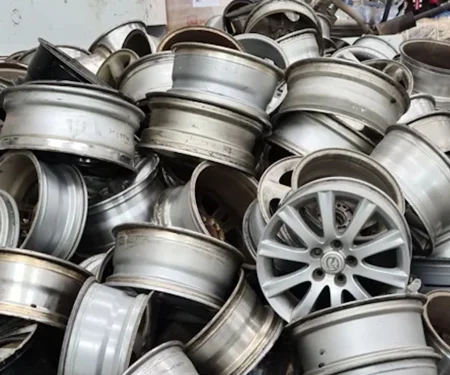
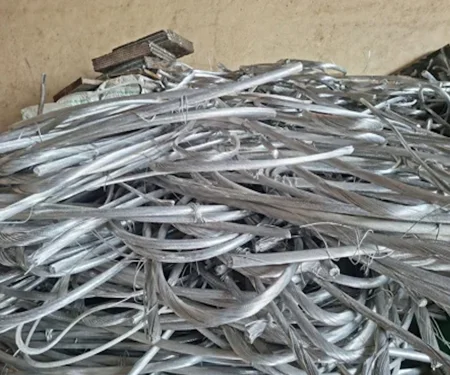
The market prices for aluminium scrap have also fluctuated within a stable range. Baled UBC aluminium scrap is quoted at RMB 14,950-15,800 per tonne (excluding tax), while shredded aluminium tense scrap is priced at RMB 16,350-17,950 per tonne (liquid aluminium, excluding tax). In the short term, the resumption of production of aluminium scrap in both the upstream and downstream sectors has alleviated procurement pressures.
Oversupply has anchored aluminium alloy ingot prices, and while rising scrap costs have somewhat cushioned further drops, it’s clear that the market isn’t poised for any substantial bounce-back. The cautious sentiment among traders reflects a market caught between expanding supply and a downstream sector still struggling to regain its footing.
US under the tariff tsunami
Across the Pacific, it’s a very different story. Aluminium premiums in the US have surged to a jaw-dropping record high of nearly 60 per cent jump since the beginning of 2025. What’s causing this seismic shift? One word: tariffs.
President Donald Trump’s announcement to reinstate 25 per cent tariffs on aluminium imports, effective March 04, 2025, has sent shockwaves through the market. These tariffs, aimed at pressuring countries like Mexico, Canada, and China in an effort to curb fentanyl trafficking, have squeezed supply chains and triggered a buying frenzy. Though the tariff for Mexico and Canada has been paused for a mere period of one month, the international pressure is uncertainty in what might happen!
According to Reuters, the Midwest duty-paid aluminium premium — a key benchmark for US aluminium prices — skyrocketed from around USD 560 per tonne at the start of the year to USD 900 per tonne in just two months. The anticipation of further trade restrictions has pushed buyers to secure supplies ahead of the looming tariff deadline.
But that’s not the whole story. Domestic production struggles are adding fuel to the fire. Several US smelters have faced closures due to high electricity costs, choking local supply and leaving buyers scrambling. Industry giants like Alcoa have voiced concerns, emphasising that tariffs alone won’t magically boost domestic output unless other production hurdles — like exorbitant energy prices — are tackled head-on.
In China, the market is expected to stay in limbo — supply is expanding, but prices will likely remain within a narrow band without a corresponding demand uptick. The only real wild card is scrap costs, which could sway prices slightly but not enough to create major ripples.
In the US, however, all eyes are on April 2, 2025. If tariffs kick in as planned, aluminium alloy ingot prices could experience even more volatility. Rising scrap costs and production bottlenecks are already tightening the market, and with the added pressure of import restrictions, the upward price trajectory seems far from over.
One thing’s for sure — whether it’s China’s price stagnation or the US’ tariff-fuelled surge, aluminium alloy ingots are caught in a global push-and-pull. The coming months will reveal whether the US can stabilise its supply or if China can reignite its demand, but for now, the markets are moving in starkly different directions.












_md.webp)
_md.webp)
_md.webp)