AlCircle launches brief Region Focus Report on “Guinea and Sierra Leone; Two Growing Investment Hubs in West Africa”
AlCircle has launched a brief Region Focus Report – “Guinea and Sierra Leone; Two Growing Investment Hubs in West Africa” into its 2018 Report portfolio.
Africa has more than its fair share of small poor economies because of fragmentation that it inherited from European colonizers. It has become a continent most prone to ethnic-based conflicts which stand as a hurdle in the path to development along with numerous political, socio-economical and medical issues that ravage the countries in this continent. Yet, African countries have some of the richest mineral reserves which have not been explored due to the existing problems.
Despite West Africa’s enormous investment potential, its integration into the global economy is low. One sign of this is that the region captures only 5% of Africa’s total Foreign Direct Investment (FDI). The main hurdles for national, regional, and foreign investors are cross-border constraints. West Africa hosts two of the most advanced regional economic communities: The West African Economic and Monetary Union (WAEMU) and The Economic Community of West African States (ECOWAS) to develop and protect the economic and military policies in the countries. Thanks to the return of stable governments and support from these organizations, West African countries are inviting foreign investments in the mining, energy and infrastructure sectors.

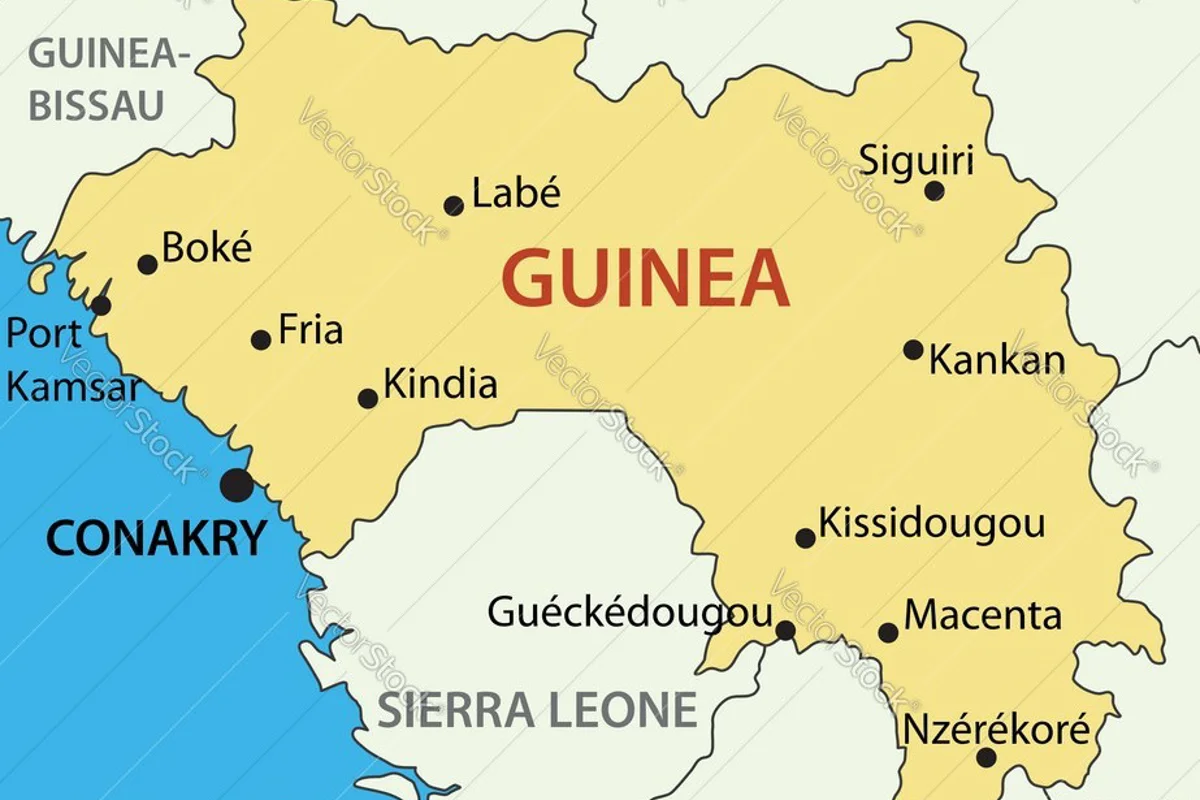
Guinea and Sierra Leone are two countries on the western coast of Africa which are now projected as next investment hubs due to their mineral resources and developing infrastructures and the economy. Guinea, officially the Republic of Guinea, was originally a French colony and gained its independence from France in 1958. Sierra Leone used to be a British colony in the eighteenth and nineteenth century that used to be the center for ivory, timber and slave trades. The colony got independence in 1961 and after years of struggling between military rules and democracy, the country had stable government in 2007.
Guinea is a poor country but richly endowed with minerals which are also the source for the country’s revenue other than agriculture and fishing. Guinea is the most significant Bauxite supplier to the world with 7.4 billion bauxite reserve which is about 25% of the world’s total bauxite reserves. The country accounts for 95% of African bauxite production and 15% of world bauxite production according to the latest data from US Geological Survey. The current real GDP growth for the country is close to 7%.
Sierra Leone’s economic growth has been driven by mining - particularly iron ore. Efforts have been made to explore the untapped bauxite reserves in the country. The country’s principal exports are iron ore, diamonds, and rutile, and the economy is vulnerable to fluctuations in international prices. Until 2014, the government had relied on external assistance to support its budget, but it was gradually becoming more independent. Since the end of the civil war in 2002 the economy is gradually recovering with a GDP growth rate touching 7%.
AlCircle’s brief report “AlCircle Region Focus: Guinea and Sierra Leone; Two Growing Investment Hubs in West Africa” looks into both these countries from an investment point of view, analysing their political, socio-economical and geographical conditions. The report also highlights the key sectors that are drawing foreign investments and have the potential to generate revenue for both the countries.
In a nutshell, AlCircle Region Focus Report on Guinea and Sierra Leone would offer the following:
- Geography and demography
- Political Situation in Sierra Leone
- Economy of Guinea
- Investment Opportunities in Guinea
- Key Driving Sectors
- Threats
- Incentives to Investors
For a detailed Table of Content click here
This report is now available in both Digital as well as Print format. Both the available options along with their pricing details are as follows:

To purchase your copy click here and for any further queries please reach out to us at booking@alcircle.com.
Bauxite cargo freight rates between Guinea and Spain reportedly record a 21-week-low drop
Next articleHindalco moves court against closure order of its Kolhapur bauxite mine for alleged violation of Air act
Grow with
AL Circle