Aluminium wire rods may not grab headlines daily, but they are the silent workhorses powering everything from the lights in our homes to the vehicles on the road. These cylindrical rods, celebrated for their high conductivity, strength, and adaptability, are vital to electrical transmission systems, building infrastructure, and manufacturing processes.
What makes aluminium wire rods so special?
Their excellent conductivity and lightweight properties make them the go-to choice for cable production, overhead power lines, and electrical wiring. Beyond the electrical world, their corrosion resistance and recyclability make them indispensable in the automotive, aerospace, and industrial sectors—helping companies meet their sustainability goals by offering energy-efficient, lightweight materials.
A global perspective: steady growth and innovation
The aluminium wire rod industry is far from static—it’s a dynamic, evolving sector driven by technological advances and the rising demand for eco-friendly manufacturing practices. According to AL Circle’s report ‘ALuminium Wires & Cables - Insights & Forecast to 2030’,
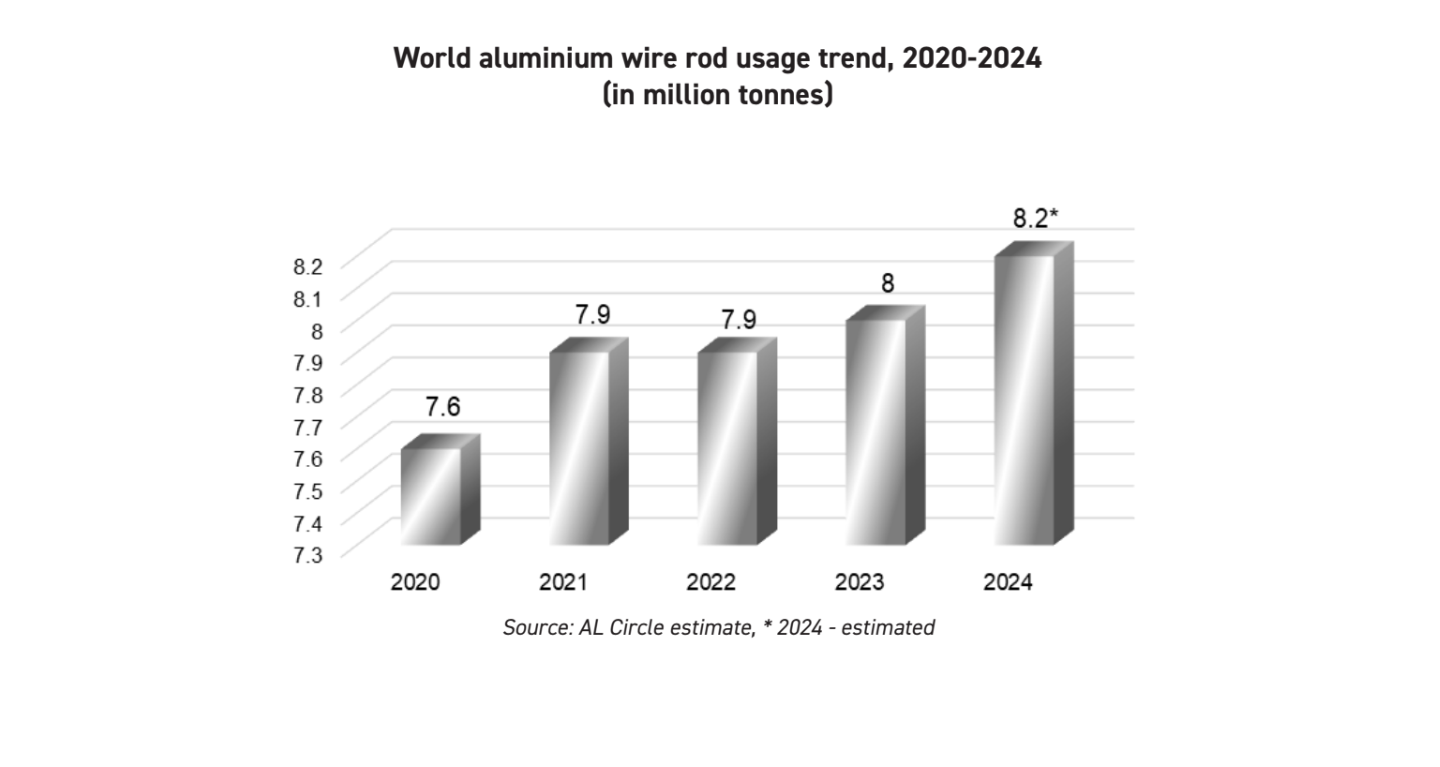
World aluminium wire rod usage is estimated to have increased from 7.6 million tonnes in 2020 to about 8 million tonnes in 2023 and to 8.2 million tonnes in 2024. Aluminium has numerous applications in the electrical and electronics industry due to its properties. The global market size for wire and cable was USD 191.6 billion in 2022, and it is expected to grow at a CAGR of 6.30 per cent from 2023 to 2032.
In 2023, the global aluminium wire rod market was valued at USD 22.6 billion based on consumption and trade flow by region. It is anticipated to grow at a CAGR of 3.7 per cent from 2024 to 2030. A substantial factor driving this market is the increasing demand from the power, automotive, and aerospace sectors. This report focuses on the usage of aluminium wire rods in power cables & conductors used in transmission and distribution lines.
Several key factors are fuelling this growth:
- Urbanisation and infrastructure development: Rapid urban growth, especially in emerging economies, has boosted the demand for aluminium wire rods in construction and power transmission projects.
- Renewable energy surge: The shift towards wind and solar power has amplified the need for high-conductivity aluminium wires.
- Automotive and aerospace innovations: As industries strive for fuel efficiency and lower emissions, aluminium wire rods—thanks to their lightweight and resistance to corrosion—are becoming increasingly essential.
- Technological advancements: Innovations in the production process have improved cost-efficiency, product quality, and compliance with environmental regulations.
India’s growing footprint in the aluminium wire rod market
India, a rising star in the aluminium industry, is seeing remarkable developments in this space. Let’s look at some recent milestones:
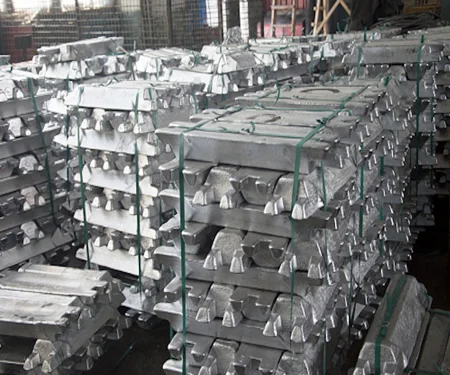
In September 2024, Vedanta Aluminium, India’s top aluminium producer, launched two new products at PowerEdge 2024: the AL59 Ingot for remelting, prized for its superior electrical conductivity, and the EC Grade Wire Rod, tailored for winding strip applications with an ideal balance of strength, conductivity, and flexibility.
In August 2024, Vedanta received the Bureau of Indian Standards (BIS) certification for its 12 mm aluminium wire rods produced at the BALCO facility in Korba, Chhattisgarh. Widely used in power and electrical transmission, this certification reinforces their reliability in supporting India’s growing infrastructure and energy needs.
In February 2023, National Aluminium Company Limited (NALCO) adjusted its aluminium ingot and product prices in response to market demands, raw material costs, and global price fluctuations.
As global industries prioritise energy efficiency and sustainable materials, aluminium wire rods will continue to play a crucial role. Developing economies in Asia and the Middle East are driving demand through extensive electrification and industrialisation projects.
Meanwhile, ongoing innovations in aluminium technology are pushing the boundaries of what these versatile rods can achieve.
The future looks bright, both for the aluminium wire rod market and for the industries that depend on them. As companies balance growth with sustainability, these unassuming metal rods are proving they are more than just a backbone—they are a driving force for a greener, smarter world.
Partial information credit: https://www.imarcgroup.com/












_md.webp)
_md.webp)
_md.webp)