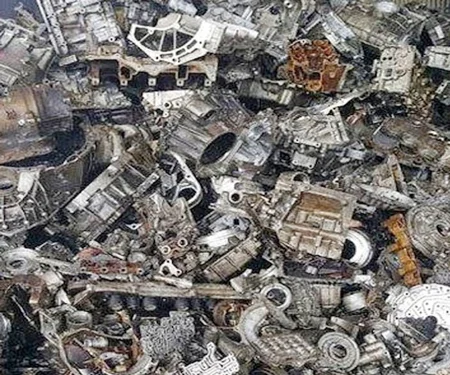
85% recycled aluminium: Recorp raises the bar for sustainable beverage cans

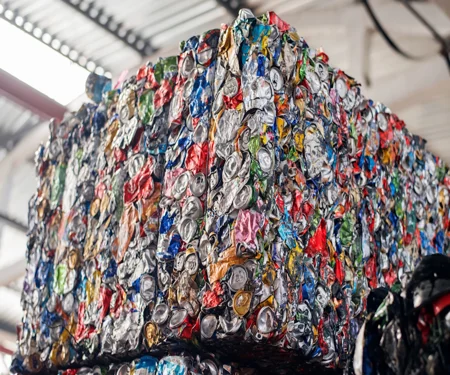
The image used in this article is generated with an AI tool and does not depict any real-time moment
Aluminium cans are under the spotlight among consumers and beverage manufacturers looking for more recyclable packaging, with the material already holding a strong circularity position against plastic and glass. Recorp tunes it further with ReCan85, an aluminium beverage can containing 85 per cent recycled aluminium, aimed at giving manufacturers a higher-recycled-content packaging option.
From recycling advantage to higher recycled content
The conversation around beverage packaging has already highlighted aluminium’s recycling advantage. Aluminium beverage cans recorded a 74.8 per cent recycling rate, compared with 47 per cent for PET bottles and 41.9 per cent for glass bottles in 2023. With a 75.6 per cent collection rate, aluminium cans are placed at the forefront of recycled single-use beverage containers.
That sets the stage for Recorp’s latest move. Rather than focusing only on how cans are recycled after use, the company is increasing the amount of recycled material going into the can in the first place.
Recorp launched ReCan85 last year with 85 per cent recycled aluminium content. CEO Bruce Parton regards the company’s goal as “to help consumers have a choice – to choose a more sustainable option when they buy a drink each day.”
He argues that “New Zealand and Australia are out of sync with the rest of the world, where there’s been a mass exodus from glass and plastic into aluminium cans and bottles.”
More aluminium recycled, less energy used
Recorp notes that the recycled aluminium used in ReCan85 is sourced from household recycling bins and other recycling facilities across Australia and New Zealand.
The material is then processed by a recycler using renewable energy to produce aluminium suitable for beverage cans. The resulting recycled aluminium is also 4-6 per cent lighter than other standard recycled aluminium, helping reduce emissions associated with transportation.
Parton points to aluminium’s recycling characteristics as another advantage over alternative packaging materials.
While recycling plastic uses 75 per cent less energy than producing new plastic, one can only recycle it up to 10 times before losing its integrity.
Glass recycling uses 30 per cent less energy than producing new glass and can continue indefinitely without losing its integrity, although glass is more susceptible to breakage and contamination.
Aluminium, meanwhile, can be recycled indefinitely without losing its integrity, while the recycling process uses 95 per cent less energy than producing new aluminium.
“Aluminium is the Holy Grail of drink containers,” he notes, for “It’s so much easier for people to recycle in their bins and you can just crunch them up to make them smaller, whereas plastics are big and bulky.”
Aluminium can: The new favourite of manufacturers
The shift towards recycled aluminium is also being reflected in beverage packaging demand. A Bank of America analysis depicted a 2.2 per cent increase in US consumer purchases of aluminium cans in July 2026, while plastic packaging remained stable and glass packaging declined by 4.5 per cent.
Recorp hopes its higher recycled-content cans will encourage manufacturers to increase their use of recycled material, creating greater demand for recovered aluminium.
“If we can put pressure on the need to have more of that recycled content, that ultimately puts pressure on the market to recycle more, which is what the end game is all about,” Parton observes.
Recorp began manufacturing aluminium cans at its Auckland facility in 2024 and expanded its offering to Australian beverage manufacturers this year.
Smaller orders, faster turnaround
The sustainability proposition is not the only selling point. Recycled aluminium cans can also offer practical business benefits.
Because aluminium is lighter than glass, beverage manufacturers can potentially reduce freight costs. Recorp has also invested in manufacturing equipment that allows it to handle smaller orders.
The company has reduced its minimum order quantity from the market norm of 100,000 to 30,000 cans, according to Parton. “By buying certain equipment, we’ve been able to build a very flexible plant and bring our minimum order quantities down from the market norm of 100,000 to 30,000,” he mentions.
Innovation joins the sustainability push
Recorp is also positioning its aluminium expertise around changing beverage formats, confident that it is the only Australasian provider of retort cans for coffee products, while its facility also produces cans using BPA-NI inner lining technology.
“The machinery in this facility is not only industry-leading, but also world-leading,” says Parton. Diverting from “what’s traditionally been,” the company holds onto “the innovative edge of the market” to cater to customer preferences.
For Recorp, the combination of higher recycled content, aluminium’s established recyclability and more flexible manufacturing is intended to give beverage companies another route towards more sustainable packaging.
Venturing on, its objective remains to combine “sustainability and innovation” with business “and deliver the best product that also helps the planet.”
Aluminium recyclers face rising price risk exposure: AL Circle brings back hedging course for fourth edition
Next articleEGA expands European aluminium recycling footprint with 80% Eco Green acquisition
Grow with
AL Circle