Odisha has emerged as the cornerstone of India’s aluminium industry, accounting for 59 per cent of the country’s bauxite reserves, primarily located in the Eastern Ghats. The state hosts integrated operations encompassing bauxite mining, alumina refining, and aluminium smelting, led by major players such as NALCO, VEDANTA, and HINDALCO. The predominance of gibbsitic bauxite enables efficient extraction under low temperature and pressure conditions, enhancing economic viability. The large aluminium smelters are also located in the Jharsuguda and Angul industrial belts of this state. Odisha's industrial growth is further supported by robust infrastructure, dedicated industrial zones, and proactive government policies. With planned capacity expansions, renewable energy integration, and improved logistics, Odisha is poised to strengthen its position in the global aluminium value chain.
Odisha’s leadership in aluminium production is underpinned by a well-developed industrial infrastructure, comprising dedicated industrial parks, Special Economic Zones (SEZs), and a stable, cost-effective power supply—an essential requirement for the energy-intensive aluminium industry. The state’s strategic proximity to major ports such as Paradip and Dhamra significantly enhances its logistical and export capabilities, reinforcing its position as a leading contributor to India’s aluminium exports. Further strengthening this industrial ecosystem are the state government’s proactive policy measures, streamlined land acquisition processes, and emphasis on downstream sector development.
Notable initiatives such as the NALCO Angul Aluminium Park and VEDANTA Aluminium Park exemplify this integrated approach, facilitating value addition, attracting investment, and generating employment. The convergence of abundant mineral resources, strategic geographic advantage, robust industrial infrastructure, and supportive policy framework has collectively positioned Odisha as the aluminium capital of India and an emerging node in the global aluminium value chain.
2.0 Bauxite deposits and mines - Odisha
Odisha’s bauxite deposits vary in quality and are mainly of the lateritic type. These bauxite deposits typically occur as broad, gently sloping layers that cover the tops of plateaus. They are part of a lateritic soil profile and occur at elevations between 900 and 1400 metres above mean sea level. This makes Odisha a geologically important region for bauxite resources. The bauxite deposits of the Eastern Ghats in Odisha are predominantly gibbsitic in nature, which facilitates the extraction of 90–95 per cent of total alumina under relatively low temperature and pressure conditions. This characteristic significantly reduces the consumption of caustic soda during the digestion process in alumina refining. The alumina (Al₂O₃) content in these deposits typically ranges from 42 per cent to 46 per cent, while reactive silica (SiO₂) content varies between 2 per cent and 4 per cent. In addition to gibbsite, the bauxite ore also contains 20–25 per cent iron-bearing minerals such as haematite and goethite, 3–8 per cent kaolinite, and 2–3 per cent titanium minerals, primarily anatase and rutile. These compositional features contribute to the high economic and industrial value of Odisha’s bauxite resources.
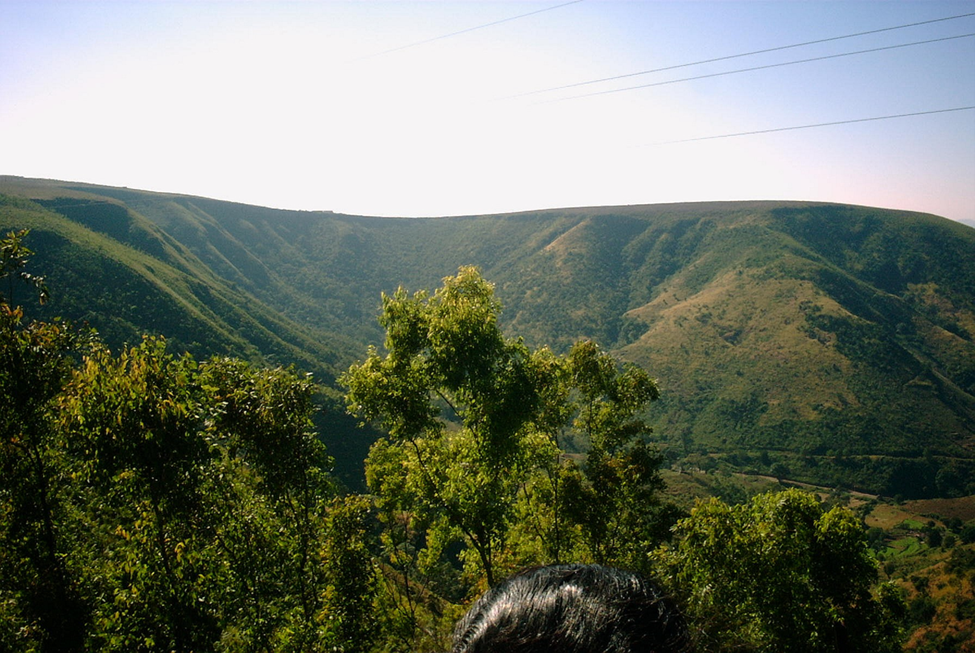
Fig. 2: Panchpatmali Bauxite Plateau of Odisha, Eastern India
Odisha is the largest bauxite-producing state of India, and this production is likely to increase to feed planned brownfield and Greenfield expansions of alumina production in this state. Bauxite has also been reported from Kashipur, Polingpudar plateaus, Gandhamardan Plateau and Khariar Highlands. Odisha consists of total of about 2 billion tonnes of resources. The distribution of bauxite deposits and existing mines across various regions of Odisha highlights the state's rich mineral resources, as shown in the (Fig. 3). Keeping in view the limited bauxite resources in the country, it is necessary to conserve this valuable ore and minimise rejection of overburden laterites and low-grade bauxites. A proper blending plan should be prepared for each year of operation by including low and marginal grades. All the stakeholders, including the alumina refinery, should be involved in deciding the bauxite grade to be supplied for each year, keeping in view the resources and grades available in the deposit.
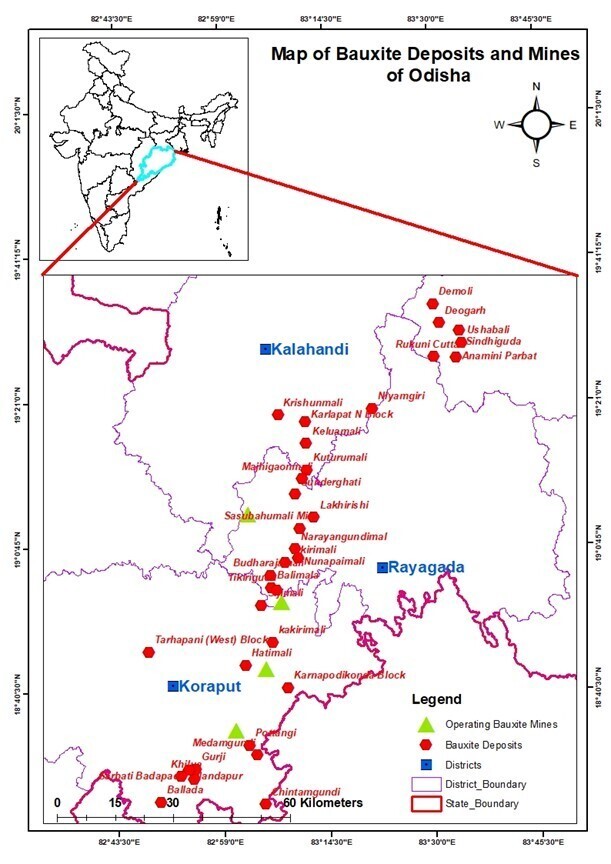
Fig. 3: Bauxite Deposits and Existing Mines of Odisha
In the recent ‘Vision Document on Aluminium Metal for India’ published by the Government of India in 2025, it is mentioned that the Government of Odisha has already identified ~40-45 nos.. of bauxite blocks in Koraput, Rayagada, Kalahandi, and Kandhamal districts, some of which are already explored or under exploration. Resource quantity in many of these blocks is less than 5 Mt. The State Govt. may consider amalgamation of the smaller size blocks, wherever possible, and put up for auction as bigger blocks to attract serious investors.
Note: This article has been issued by IBAAS team, written and edited by Dr Ashok Nandi, Chudchandra Shende, and Priyanka Jad. AL Circle has published it in its original form without any modifications or edits to the core subject/data.












_md.webp)
_md.webp)
_md.webp)







