China's alumina imports jump nearly 750% Y-o-Y in H1; Australia share hits 91.7%
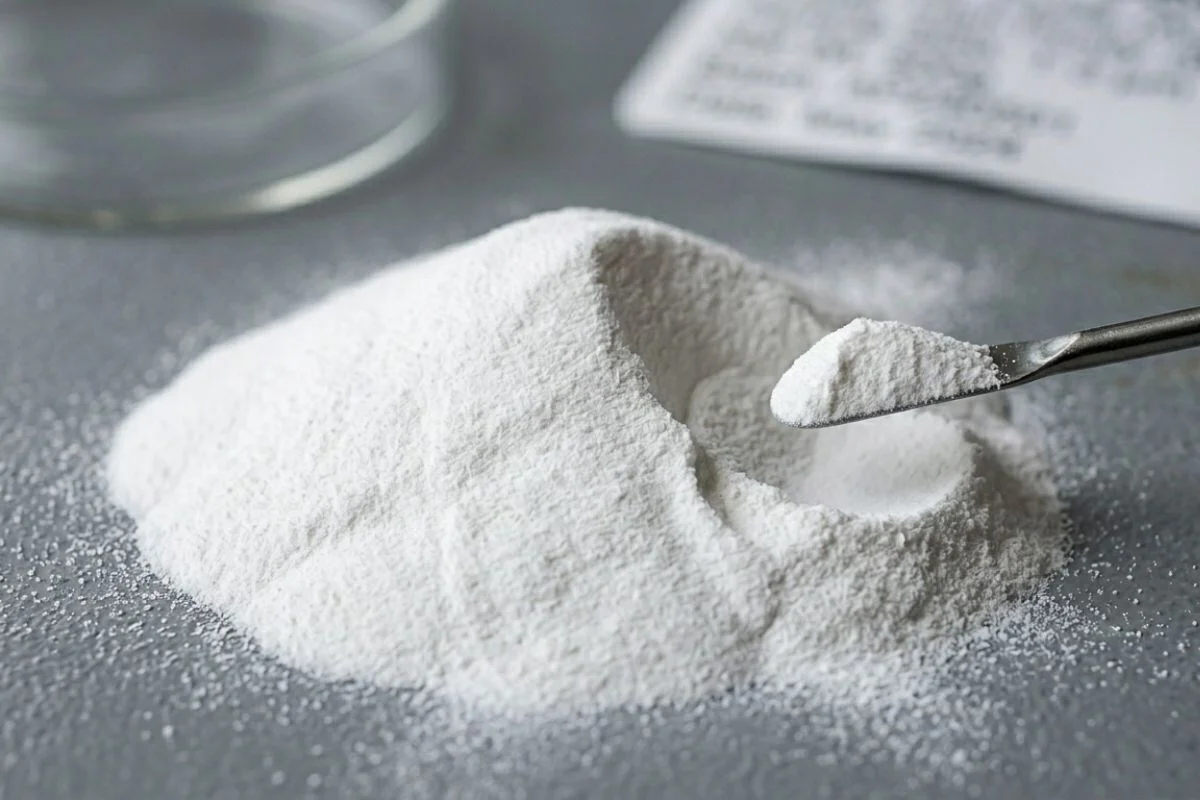
The image used in this article is generated with an AI tool and does not depict any real-time moment
According to data from the General Administration of Customs of People's Republic of China (GACC), China imported 449,100 tonnes of alumina in June 2026, up 2.42 per cent month-on-month and surging 343.34 per cent year-on-year. Exports stood at 265,200 tonnes, down 6.39 per cent month-on-month but up 55.09 per cent year-on-year. The net import volume reached 183,900 tonnes, rising 18.49 per cent month-on-month while dropping 363.85 per cent year-on-year.
In the first half of 2026, cumulative imports totalled 2.28 million tonnes, up 748.79 per cent year-on-year, while cumulative exports reached 1.61 million tonnes, up 19.77 per cent year-on-year. The cumulative net import volume for January–June stood at 668,500 tonnes, representing a year-on-year increase of 162.18 per cent.
By country of origin, China's alumina imports in June 2026 were mainly sourced from Australia, India, and other regions. Imports from Australia reached 414,600 tonnes, up by roughly 133,400 tonnes from the previous month and accounting for 91.7 per cent of total imports for the month. Imports from India were 30,500 tonnes, largely flat compared with May. Year-to-date imports from Australia have reached approximately 1.64 million tonnes, up 1.55 million tonnes from the same period last year, a year-on-year surge of 1,638.52 per cent.
This extreme surge is likely attributable to two primary factors. First, Australian shipments to China during the first half of 2025 were near historic lows due to logistical bottlenecks and unfavourable price spreads.
Second, ongoing geopolitical tensions in the Middle East have disrupted shipping through the Strait of Hormuz, prompting traders to divert significant volumes of Australian alumina, originally destined for the region, to Chinese ports. The subsequent opening of the arbitrage window between domestic and overseas prices further incentivised merchants to ramp up purchases.
In terms of export destinations, China's alumina exports in June were primarily directed to Russia, Oman, and other markets, with shipments continuing to concentrate in Eastern Europe and the Middle East. In the first half of last year, China exported about 929,000 tonnes of alumina to Russia; this figure rose to 1.02 million tonnes in the same period this year, indicating stable overall outbound volumes.
Domestic alumina markets are currently grappling with a supply glut driven by a dual-supply dynamic. On the domestic front, operational capacity remains elevated, bolstered by the continued ramp-up of new production lines in regions such as Guangxi. Concurrently, a flood of cheaper seaborne cargoes, predominantly from Australia, has pushed port inventories to near multi-year highs by mid-June. This inventory overhang has capped spot prices around RMB 2,700 per tonne.
Note: This news is published under a content and exchange agreement with Mysteel
DAILY: Alumina prices under pressure as supply fears, thin trade trigger futures selloff
Next articleAlluminous advances to battery validation following successful completion of first C4V development milestone
Grow with
AL Circle