Recycling is one of the easiest ways to do right by the planet, but doing it correctly takes more than tossing old metal into the bin and calling it a day. While most of us know we should recycle, the how of it often gets murky.
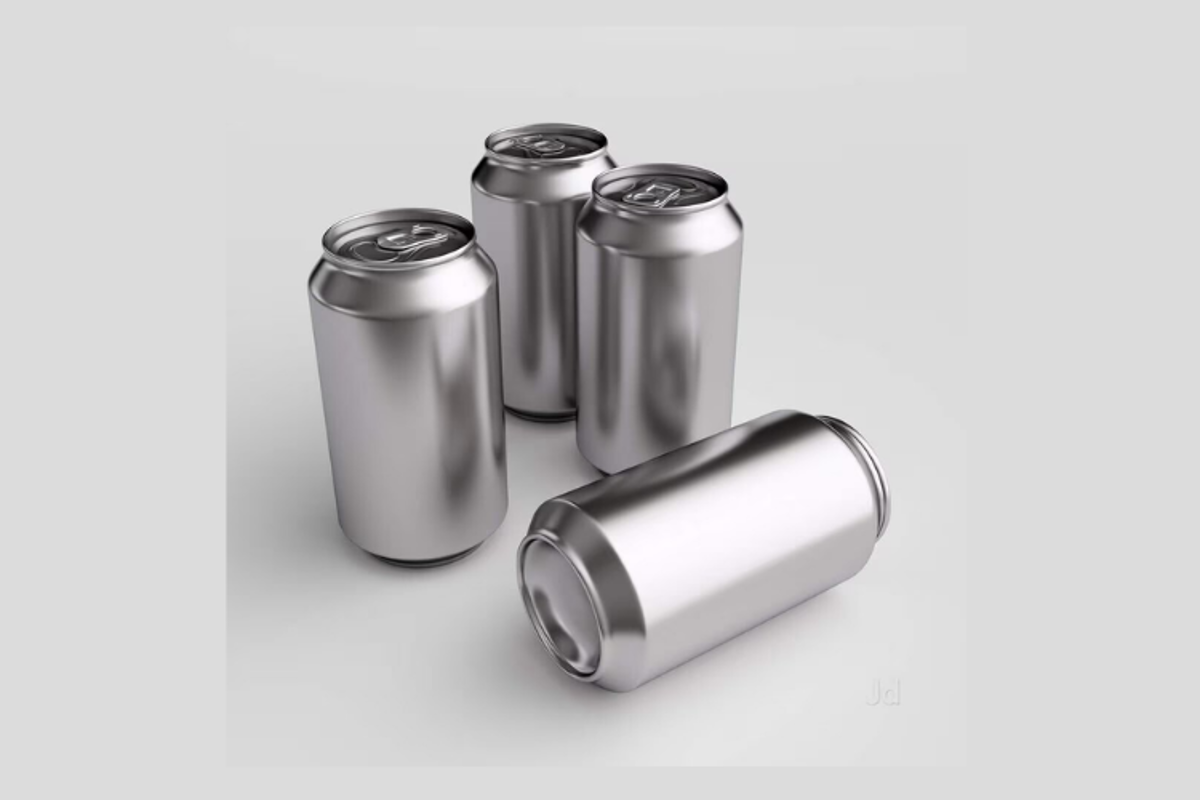
Image credit: www.justdial.com
Rinsing out aluminium cans, cleaning up old cookware and removing non‑metal parts from small appliances is the tip.
And if you're still crushing your cans flat before tossing them? Don’t. Experts say that this can mess with sorting machines that rely on shape to ID and direct materials to the right place. The bottom line is that steel and aluminium can be recycled endlessly without degrading, so it’s worth doing right.
Why shaping matters & recycling rates you should know
- Global aluminium recycling efficiency remains at 76 per cent, with 75 per cent of the 1.5 billion tonnes ever produced still in use, highlighting its enduring circular value.
- Brazil has now achieved an industry-leading 100 per cent recycling rate for aluminium cans as of January 2024, confirming a fully circular can system in the country.
- In the UK, 162,357 tonnes of aluminium packaging (including over 81 per cent of beverage cans) were recycled in 2023, marking a 68 per cent recycling rate and a 13 per cent year-on-year increase.
- In the US, only 43 per cent of aluminium cans were recycled in 2023, down from previous years over 46 billion cans were recycled, but more than 61 billion were discarded, losing an estimated USD 1.2 billion worth of aluminium annually.
All metal cans are recyclable if they've been cleaned. Examples include: beverage cans like soda and beer, including the tabs; paint cans; canned goods; aerosol cans and cleaning product metal containers.
Best practices you should follow
You should not toss cans into the recycling bin before cleaning. Any food or liquid residue can contaminate a whole batch, rendering it unusable and attracting pests. Rather, you should thoroughly rinse out cans after use to remove all contents. For canned goods, fully detach the lid and place it inside the rinsed can. And for aerosol cans, remove plastic lids before recycling. Those should go into the plastic recycling stream to avoid contamination during metal recycling. You generally don’t need to remove paper labels from metal or aluminium cans as they burn off during the recycling process. If preferred, labels can be separated and added to paper recycling. For plastics, removal is essential because metal recycling and plastic recycling processes differ.
Aerosol can recycling: A tougher case
- Only around 62 per cent of US residents have access to programs that accept aluminium aerosol containers, down from about 70 per cent in 2016.
- Globally, aerosol recycling lags because less than 10 per cent of the over 16 billion aerosol cans produced annually are recycled, often well under 20 per cent in many regions.
- Increasing the recycling rate to just 50 per cent can yield more than USD 39 million in economic value each year, along with environmental benefits equivalent to driving half a mile or charging 13 smartphones per can.
In conclusion, effective recycling begins with small yet essential habits. Avoid crushing aluminium cans, as their shape plays a vital role in automated sorting systems. Always rinse cans and properly separate lids to prevent contamination. Since aluminium can be recycled endlessly without losing quality, proper preparation ensures its full potential is realised. While aerosol cans remain under-recycled due to safety and access challenges, raising awareness and improving infrastructure can unlock significant environmental and economic benefits. Most importantly, recycling aluminium consumes only about 5 per cent of the energy required to produce it from raw ore, making proper recycling not just a good practice, but a powerful climate action.












_md.webp)