Xiaomi bets on 100% recycled aluminium with Titan Alloy 2.0 as EV margins face pressure
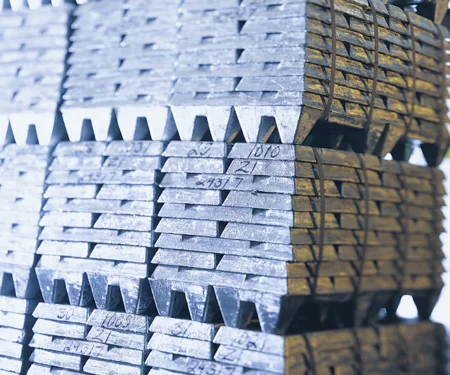
Stock image for referential purposes only
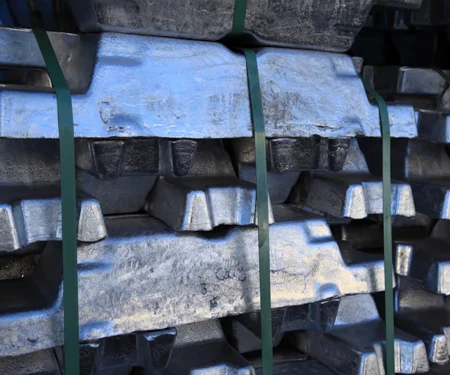
Xiaomi has introduced what it describes as China's first mass-produced structural aluminium alloy made entirely from recycled aluminium for electric vehicles (EVs), marking another step towards lower-carbon manufacturing. The new material, called Titan Alloy 2.0, has entered series production and is being used in the integrated die-cast rear floor assemblies of the company's SU7 and YU7 models.
Xiaomi unveils recycled aluminium-made Titan Alloy 2.0
According to Xiaomi, the alloy is manufactured entirely from recycled aluminium while meeting the strength requirements for critical vehicle safety structures. Independent verification by Sweden's IVL Swedish Environmental Research Institute has certified the material with a carbon footprint of 1.1 kg CO₂e per kilogramme.
This indicates a 93 per cent reduction compared with conventionally produced primary aluminium. The figures have also been registered under the international Environmental Product Declaration (EPD) system.
Delve deeper into the recycled aluminium and secondary aluminium market with our World Recycled ALuminium Market Analysis Industry forecast to 2032
The company estimates that every vehicle produced using Titan Alloy 2.0 avoids almost 800 kilograms of CO₂ emissions. Based on its targeted annual production of 550,000 vehicles, Xiaomi believes the technology could reduce carbon emissions by almost 450,000 tonnes each year.
The production route involves a five-stage pre-treatment process followed by melting, alloy optimisation and direct feeding into automated giga-casting lines. Internal X-ray inspections are used to verify mechanical performance, while the structural integrity of the alloy has been validated by the China Machinery Industry Federation.
The sustainability milestone, however, arrives at a difficult time for China's EV market. Industry deliveries have declined for six consecutive months, with first-half 2026 deliveries falling 13 per cent Y-o-Y to 4.73 million units amid persistent price competition.
Attend the webinar Hedging for recyclers - Become an expert in 6 hours to learn metal price risk management for recycling
Xiaomi faces market pressure
Xiaomi's automotive business has also come under pressure. In the first quarter (Q1) of 2026, the EV segment reported an operating loss equivalent to USD 5,600 per vehicle sold, with a decline of RMB 3.1 billion (USD 457 million). Although deliveries increased 6.6 per cent sequentially to 80,856 units, the smart EV business recorded a slump in gross margin from 23.2 per cent to 20.1 per cent.
Xiaomi attributed the decline to reduced purchase tax incentives, a lower contribution from its higher-margin SU7 Ultra variant and rising component costs.
Sales momentum has also weakened. In May 2026, deliveries of the SU7 declined to 24,023 units, down 10.4 per cent from April and 14.2 per cent Y-o-Y.
Meanwhile, the recently launched YU7 recorded 8,736 deliveries, contributing nearly 27 per cent of Xiaomi's monthly EV volume. The company plans to gradually expand the application of Titan Alloy 2.0 across other vehicle models.
Additionally, Xiaomi has been making efforts to solidify its larger ecosystem, partnering with the payment platform Adyen to enable unified payment processing across 18 international markets.
While Titan Alloy 2.0 highlights Xiaomi's commitment to sustainable manufacturing and recycled aluminium adoption, investors might treat improving margins, restoring sales momentum and navigating a slowing Chinese EV market as Xiaomi’s larger priorities to mitigate the immediate commercial challenges.
Explore the position of aluminium at the intersection of sustainability and strategy in Sustainability & Recycling: Aluminium's Dual Commitment
CMR Green Tech: Demand for EVs to drive growth in aluminium recycling
Next articleAshok Leyland launches commercial vehicle scrappage programme with Rosmerta
Grow with
AL Circle