Vietnam aluminium firms seek zero export duty to counter cheaper imports
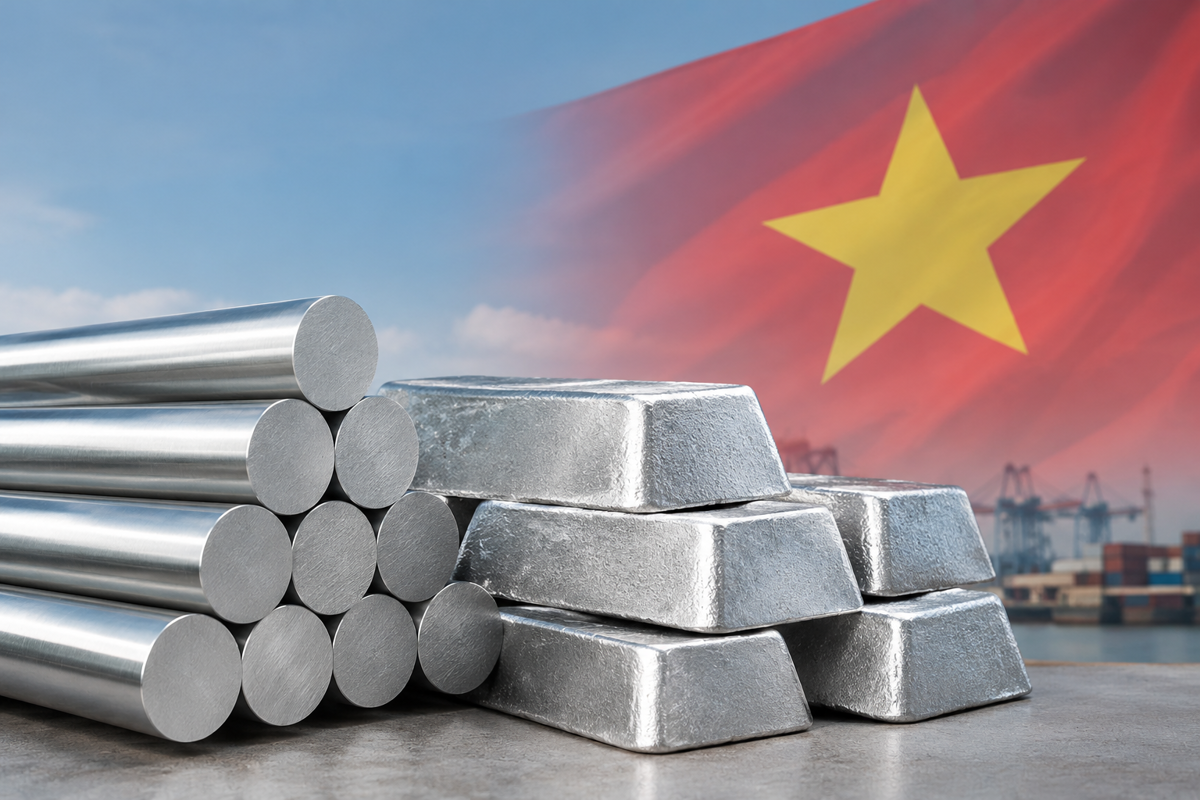
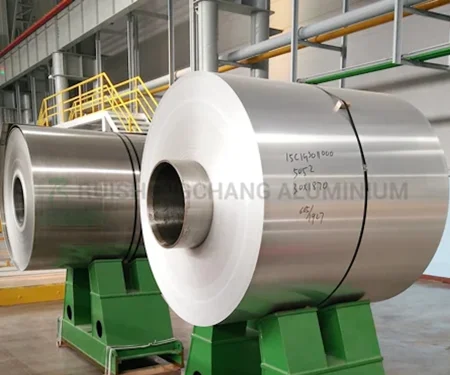
The image used in this article is generated with an AI tool and does not depict any real-time moment
Vietnamese aluminium businesses are seeking a reduction in export duties to zero, arguing that the current tax rules put domestic suppliers at a disadvantage compared with imported materials.
The Vietnam Chamber of Commerce and Industry (VCCI) has raised concerns over a proposal to cut export duties on unwrought aluminium, bars, rods, profiles and wire to 1 per cent from 5 per cent. The proposed duty on aluminium plates, sheets and strip in coils would be reduced to zero.
Citing feedback from the Vietnam Aluminium Profile Association and businesses, VCCI said the proposed 1 per cent rate would bring little revenue to the state budget while leaving companies with administrative requirements, including tax declarations, payments, guarantees and post-clearance inspections.
The chamber also said, “This makes international customers hesitant to negotiate long-term supply contracts for 2027.”
Explore the production, demand and consumption forecasts of bauxite and alumina in our report: "Global Bauxite & Alumina Market Forecast to 2036: Supply–Demand, Trade Flows & Price Outlook"
Domestic aluminium suppliers face import competition
The tax issue also affects aluminium sold to export-processing enterprises and businesses operating in non-tariff zones. Under current rules, Vietnamese companies supplying these customers are treated as exporters and must pay a 1 per cent export duty.
However, export-processing enterprises importing aluminium ingots and bars from China, South Korea and Malaysia may qualify for zero import duty.
VCCI said this difference could encourage manufacturers to choose imported aluminium over domestic suppliers. “This creates an unfavourable disparity for domestic manufacturers, effectively encouraging export-processing enterprises to switch to imported aluminium rather than use domestic suppliers.”
Looking for unwrought aluminium business opportunities (Aluminium Billet, Extrusion Billet, Primary AL Billet Cast Billet, Homogenized Billet, 6063 Billet, 6061 Billet, Soft Alloy Billet, Hard Alloy Billet, Log Billet, Extrusion-Grade Billet, DC Cast Billet)? Explore potential leads of primary aluminium on AL Biz.
It also warned, “This weakens incentives to develop supporting-industry linkages and runs counter to the policy of achieving self-reliance in the materials industry set out in Conclusion 83-KL/TW.”
Reducing the export duty to zero would help domestic aluminium suppliers compete with imports, VCCI said. It added that higher factory utilisation could support more sustainable government revenue through corporate and personal income taxes.
The chamber called for tax policies to be assessed based on their effects on production, employment and domestic supply chains, rather than revenue alone.
Vietnam businesses seek consistent tax rules
Separate concerns have emerged over value-added tax (VAT) on goods sold to foreign traders but delivered to bonded warehouses.
Phạm Văn Vĩnh, director of customs and international trade advisory services at PwC Vietnam, said customs regulations and domestic tax rules were not aligned for these transactions.
The amended Customs Law issued in 2026 allows goods to be stored in bonded warehouses pending export or re-importation into Vietnam. However, the amended VAT Law, which came into effect on July 1, 2025, sets out conditions for goods supplied to non-tariff zones to qualify for zero-rated VAT. The rules cover how goods are used in these zones and whether they are used to make products for export.
Showcase your brand, aluminium recycling initiatives and sustainability vision in our upcoming magazine: Sustainability & Recycling: Aluminium’s Commitment 2026.
As a result, Vietnamese companies supplying goods to foreign traders for delivery to bonded warehouses, or handling goods in transit, may not qualify for the zero per cent VAT rate.
This leaves companies uncertain about their tax obligations, even when goods are sold to foreign traders and delivered to bonded warehouses. Goods awaiting export may be treated as exports under customs rules, but this does not automatically mean they qualify for zero-rated VAT.
Businesses and industry representatives are calling on regulators to align tax and customs rules and clarify how VAT applies to these transactions. Clearer rules would help companies calculate costs, manage tax risks and avoid disadvantages arising from different delivery arrangements.
Grow with
AL Circle