14 DECEMBER 2011Herald and Weekly Time
US rolls out welcome mat for MHM Metals
Edited by : AL CIRCLE
4 min read

IF you are offering to invest millions of dollars and provide some jobs in the US at the moment, the Americans are happy to roll out the red carpet.
Which is why Aussie company MHM Metals managed to get a standing ovation from Kentucky Governor Steve Beshear and a brace of officials this week after announcing it will buy a $25 million aluminium slag reprocessing facility in Russellville.
Even nicer than the applause was a little more than $US1 million in incentive grants with the potential for more to come as NHM starts work on a 250,000 tonne a year facility to process aluminium slag (known in the US as saltcake) and black dross.
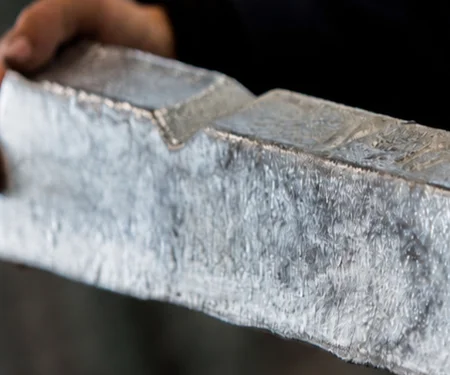
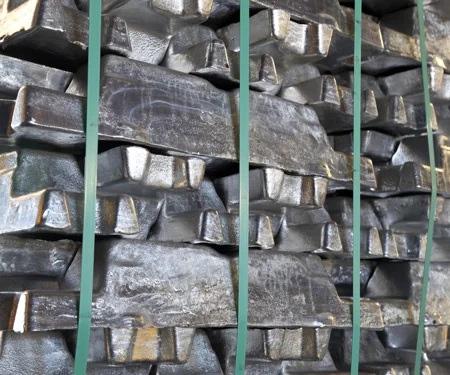
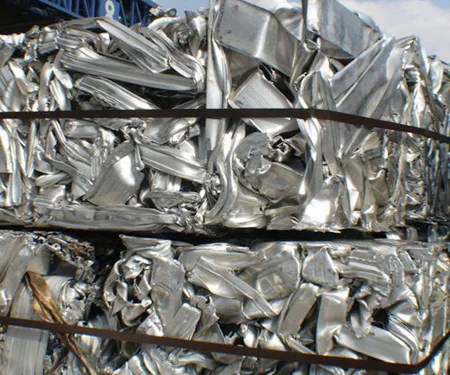
At the moment, all of that waste material from aluminium processing goes to landfill but NHM's process, which is now working on a smaller scale in Geelong, can reprocess the waste into valuable aluminium, salt, potash and aluminium oxides.
Executive director Ben Mead said the new plant was close to no fewer than 36 aluminium processors, three of which have already signed agreements with MHM to process their waste.
Next to a railway line and on 46 hectares, the facility will have the capacity to treat around 25 per cent of all the waste produced in the US and will be cost-competitive with landfill dumping.
"There is a very pro-business environment in the US at the moment, particularly when you will provide jobs," said Ben.
"And closing the waste cycle on aluminium has always been sought by the industry, so companies like Alcoa have been tremendous supporters."
Initially, MHM was pushing a tolling model for the industry, under which the value of the products recycled in the process would be credited against processing costs.
However, a tipping model, in which MHM takes the risk of what percentages of metal and other products are in the slag, has also been popular because it is directly comparable to using landfill.
While MHM is confident in the superior efficiency of its processing and the need to adopt it as landfill becomes more difficult and expensive, it is a highly competitive business, which is why MHM has not disclosed the names or tonnages of its clients so that landfill operators can't work out which clients they are in danger of losing.
Apparently an abrupt waste lockout or significantly higher tipping fees are just one of the counter-weapons that might be used to discourage a change of business practices.
MHM shares were down more than 9 per cent yesterday on news that it will be investing some cash but it remains a speculative buy.
The company has plenty of challenges ahead but significant rewards if it can crack the US market and then move on to Canada and beyond.
THE rare earths story is a confusing one at best, with many traps for the unwary. Such as getting mineral sands mixed up with light rare earths or heavy rare earths.
Then there are the radioactivity controversies that have dogged Lynas's Malaysian processing plant and dampened enthusiasm for one of the best rare earth deposits outside of China to go into production.
Topping off the picture, rare earth prices have gone off the boil recently, particularly for the light rare earth elements which Lynas produces.
All of which makes Alkane's Dubbo project come back into the frame, with the heavier rare earths it will produce suffering less significant price falls due to the greater rarity of the heavier rare earths.
Alkane's main output will be zirconium and niobium and it has already signed some supply agreements.
In the longer term, most experts think that supply will fail to keep up with demand for the heavier rare earths, while production of the lighter products is much easier to ramp up.
The Herald Sun accepts no responsibility for stock recommendations. Readers should contact a licensed financial adviser.
Which is why Aussie company MHM Metals managed to get a standing ovation from Kentucky Governor Steve Beshear and a brace of officials this week after announcing it will buy a $25 million aluminium slag reprocessing facility in Russellville.
Even nicer than the applause was a little more than $US1 million in incentive grants with the potential for more to come as NHM starts work on a 250,000 tonne a year facility to process aluminium slag (known in the US as saltcake) and black dross.
At the moment, all of that waste material from aluminium processing goes to landfill but NHM's process, which is now working on a smaller scale in Geelong, can reprocess the waste into valuable aluminium, salt, potash and aluminium oxides.
Executive director Ben Mead said the new plant was close to no fewer than 36 aluminium processors, three of which have already signed agreements with MHM to process their waste.
Next to a railway line and on 46 hectares, the facility will have the capacity to treat around 25 per cent of all the waste produced in the US and will be cost-competitive with landfill dumping.
"There is a very pro-business environment in the US at the moment, particularly when you will provide jobs," said Ben.
"And closing the waste cycle on aluminium has always been sought by the industry, so companies like Alcoa have been tremendous supporters."
Initially, MHM was pushing a tolling model for the industry, under which the value of the products recycled in the process would be credited against processing costs.
However, a tipping model, in which MHM takes the risk of what percentages of metal and other products are in the slag, has also been popular because it is directly comparable to using landfill.
While MHM is confident in the superior efficiency of its processing and the need to adopt it as landfill becomes more difficult and expensive, it is a highly competitive business, which is why MHM has not disclosed the names or tonnages of its clients so that landfill operators can't work out which clients they are in danger of losing.
Apparently an abrupt waste lockout or significantly higher tipping fees are just one of the counter-weapons that might be used to discourage a change of business practices.
MHM shares were down more than 9 per cent yesterday on news that it will be investing some cash but it remains a speculative buy.
The company has plenty of challenges ahead but significant rewards if it can crack the US market and then move on to Canada and beyond.
THE rare earths story is a confusing one at best, with many traps for the unwary. Such as getting mineral sands mixed up with light rare earths or heavy rare earths.
Then there are the radioactivity controversies that have dogged Lynas's Malaysian processing plant and dampened enthusiasm for one of the best rare earth deposits outside of China to go into production.
Topping off the picture, rare earth prices have gone off the boil recently, particularly for the light rare earth elements which Lynas produces.
All of which makes Alkane's Dubbo project come back into the frame, with the heavier rare earths it will produce suffering less significant price falls due to the greater rarity of the heavier rare earths.
Alkane's main output will be zirconium and niobium and it has already signed some supply agreements.
In the longer term, most experts think that supply will fail to keep up with demand for the heavier rare earths, while production of the lighter products is much easier to ramp up.
The Herald Sun accepts no responsibility for stock recommendations. Readers should contact a licensed financial adviser.
Previous article
BRIC countries drive aluminium demand - 20mt output from recycling
Next articleUS-India agreement aims to improve aluminium recycling
Grow with
AL Circle