UK researchers develop bonded aluminium chassis Polestar 5 lighter than the usual welded version
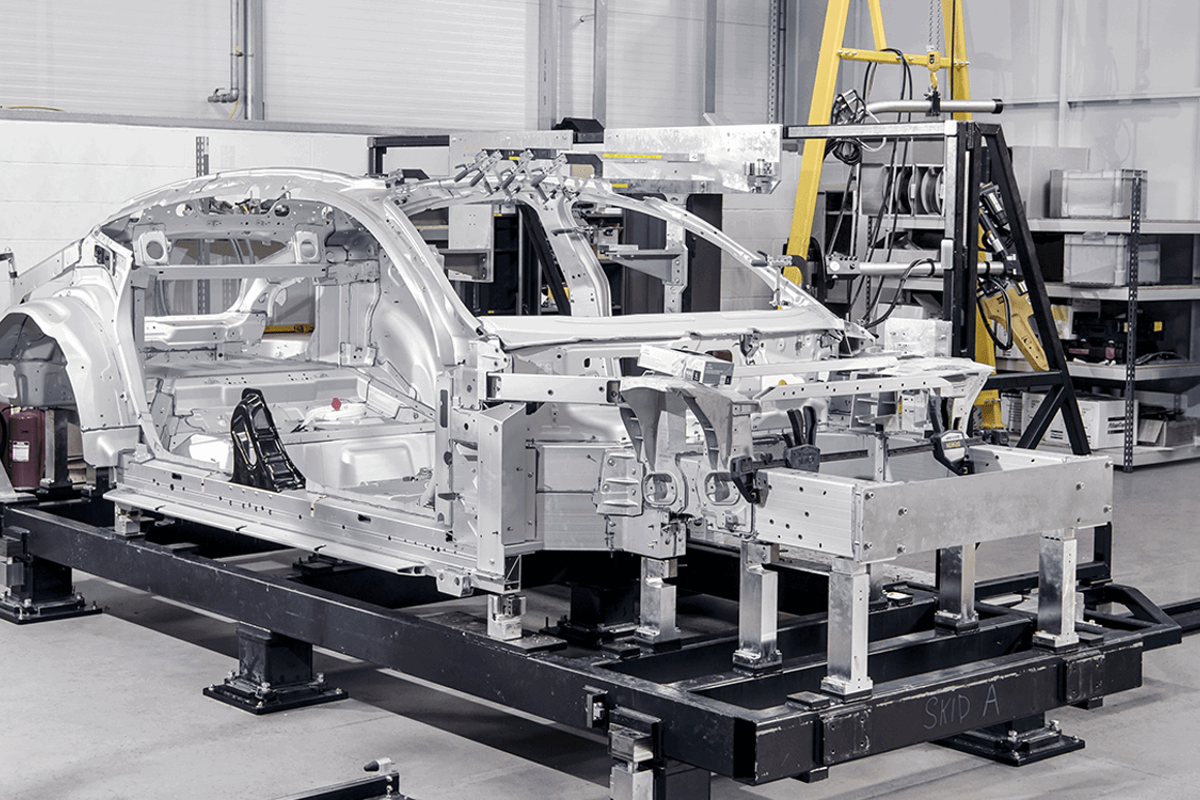
A team of 280 engineers at Polestar's UK research and development center has developed a brilliant way to make the aluminium chassis of a car stronger and lightweight. The research centre at the heart of Coventry has been strategically placed across a belt of famous motorsports companies so that the bonded aluminium chassis they create can be properly streamlined.
This new Polestar 5 has been scheduled to release in 2023 as a 2024 model.
Nowadays, most modernised cars feature a simple unibody chassis, which means the car has either a steel or aluminium space frame that has been sport welded, and the body has been bolted or welded into it. But luxury cars usually apply a technique like bonding the aluminium chassis. Polester is on the way to revolutionise this technique and bring it to the mass with its upcoming Polester 5.
A bonded aluminium chassis comprises aluminium plates and extrusions glued together using a special, extremely strong adhesive. This creates a chassis that is both lightweight and substantially rigid. The bonded aluminium chassis is a favourable option for supercars for the seamless transition they want in their models.
A lightweight chassis is a blessing for any car because it reduces the mass and helps in agile movement. Especially EVs must have a lightweight construction as the car should not be heavy enough, making it even more difficult to carry around its weight. Rigidity also ascends feasible handling features, allowing engineers to tune suspension components without having to calculate the effects of chassis flex.
Though the making of a bonded aluminium chassis is labour-intensive and turn-wise expensive, it is the most favourable mechanism for luxury car models that have a higher price range.

Anyhow, Polestar has come up with a formula wherein the researchers can construct the body and chassis in unison, decreasing the number of building steps and making the whole process simpler and cheap.
Novelis to supply high-recycled, flat-rolled aluminium for VELUX roof windows, promoting circular economy
Next articleAZZ Inc. plans to build new aluminium coil coating factory in Missouri by 2025
Grow with
AL Circle