www.thenational.ae
UAE taking steps towards reducing waste in the landfills
Edited by : AL CIRCLE
3 min read

The UAE is the second largest market for metals recycling in the region, surpassed only by Saudi Arabia, said Salman Shaban, group marketing manager at Lucky Group, which has two sorting and recycling facilities in Dubai.
The company has been operating here since 1973 and has a facility in Doha, Qatar and offices in North America and China. Each year, it collects about 200,000 metric tonnes of steel from its North American offices and 50,000 metric tonnes of non-ferrous metals such as copper, aluminium and brass, mostly from the UAE.
“There is still room for improvement but I salute Dubai for what it has become,” Mr Shaban said. “Earlier, everything was collected and going straight to landfill.
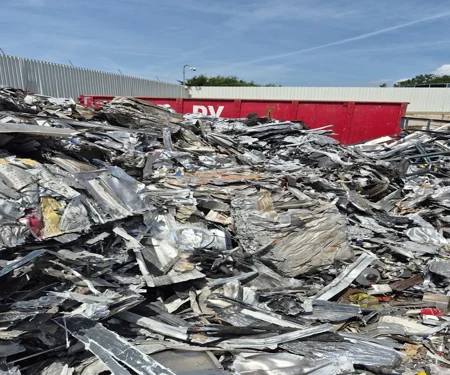
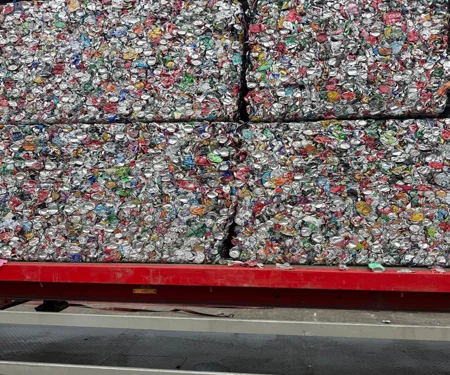
“We receive everything one uses in their daily life,” said Mr Shaban as he pointed to various items at the company’s Jebel Ali sorting facility – car wheels, window and door frames, sanitary equipment, cables, air-conditioning parts and beverage cans.
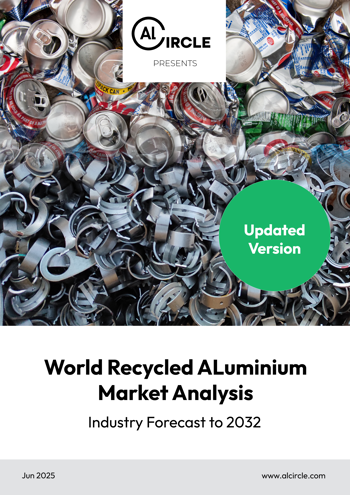
The company buys metal scrap from waste-management companies and in its Dubai operations focuses primarily on aluminium, which can be remelted and recycled repeatedly, while keeping its quality. This fact allows metal recyclers to offer good rates to their suppliers and in turn to get high rates for their products – which is not always the case with recycled products.
When it comes to recycling glass, for example, one stop is the low price of virgin material. This is also a challenge when it comes to recycling building and demolition debris.
Last year, the UAE generated an estimated 11 million tonnes of construction waste, said Kshitij Nilkanth, programme manager of environmental technologies for the region for international consultancy firm Frost & Sullivan. While there are recycling facilities in Abu Dhabi, Sharjah and Dubai, finding a market for their end product has been a challenge.
“What we have observed is that there is not much of a domestic market,” he said. “Virgin material is not very expensive for developers. The domestic demand is low, compared to what is produced.”
In Abu Dhabi, the Government addressed that by requiring that certain large projects use 40 per cent of aggregate material from recycled sources. But, said Mr Nilkanth, more could be done to encourage the use of recycled construction debris, as well as the collection and use of other recycled products.
More coordination between emirates, ensuring that residents segregate their household waste at source where recycling options are provided, and increasing the price for landfill waste were some of his key suggestions. Recycling companies interviewed for this package also complained that raw materials that could feed their processing lines were being exported, thus undermining their long-term potential to develop and contribute to the country.
“At some point in time, we feel, existing landfills in all emirates will start coming under pressure because of space constraints,” said Mr Nilkanth.
The company has been operating here since 1973 and has a facility in Doha, Qatar and offices in North America and China. Each year, it collects about 200,000 metric tonnes of steel from its North American offices and 50,000 metric tonnes of non-ferrous metals such as copper, aluminium and brass, mostly from the UAE.
“There is still room for improvement but I salute Dubai for what it has become,” Mr Shaban said. “Earlier, everything was collected and going straight to landfill.
“We receive everything one uses in their daily life,” said Mr Shaban as he pointed to various items at the company’s Jebel Ali sorting facility – car wheels, window and door frames, sanitary equipment, cables, air-conditioning parts and beverage cans.
The company buys metal scrap from waste-management companies and in its Dubai operations focuses primarily on aluminium, which can be remelted and recycled repeatedly, while keeping its quality. This fact allows metal recyclers to offer good rates to their suppliers and in turn to get high rates for their products – which is not always the case with recycled products.
When it comes to recycling glass, for example, one stop is the low price of virgin material. This is also a challenge when it comes to recycling building and demolition debris.
Last year, the UAE generated an estimated 11 million tonnes of construction waste, said Kshitij Nilkanth, programme manager of environmental technologies for the region for international consultancy firm Frost & Sullivan. While there are recycling facilities in Abu Dhabi, Sharjah and Dubai, finding a market for their end product has been a challenge.
“What we have observed is that there is not much of a domestic market,” he said. “Virgin material is not very expensive for developers. The domestic demand is low, compared to what is produced.”
In Abu Dhabi, the Government addressed that by requiring that certain large projects use 40 per cent of aggregate material from recycled sources. But, said Mr Nilkanth, more could be done to encourage the use of recycled construction debris, as well as the collection and use of other recycled products.
More coordination between emirates, ensuring that residents segregate their household waste at source where recycling options are provided, and increasing the price for landfill waste were some of his key suggestions. Recycling companies interviewed for this package also complained that raw materials that could feed their processing lines were being exported, thus undermining their long-term potential to develop and contribute to the country.
“At some point in time, we feel, existing landfills in all emirates will start coming under pressure because of space constraints,” said Mr Nilkanth.
Unlock full access – sign up for FREE.
Key benefits
Find exclusive data-driven insights and in-depth analysis
Get our daily newsletter delivered straight to your inbox
Access real-time and historical price trends from global indices
Post and respond to latest business leads
Stay ahead with alerts on learning tools
...and so much more!SIGN UP / LOGIN
Previous article
One for All program designed to boost recycling in eastern Pennsylvania
Next articleHydro: Preparations for a new recycling line for used beverage cans completed
Grow with
AL Circle