TRUNNANO highlights advanced ceramic crucibles for aluminium and high-temperature industries
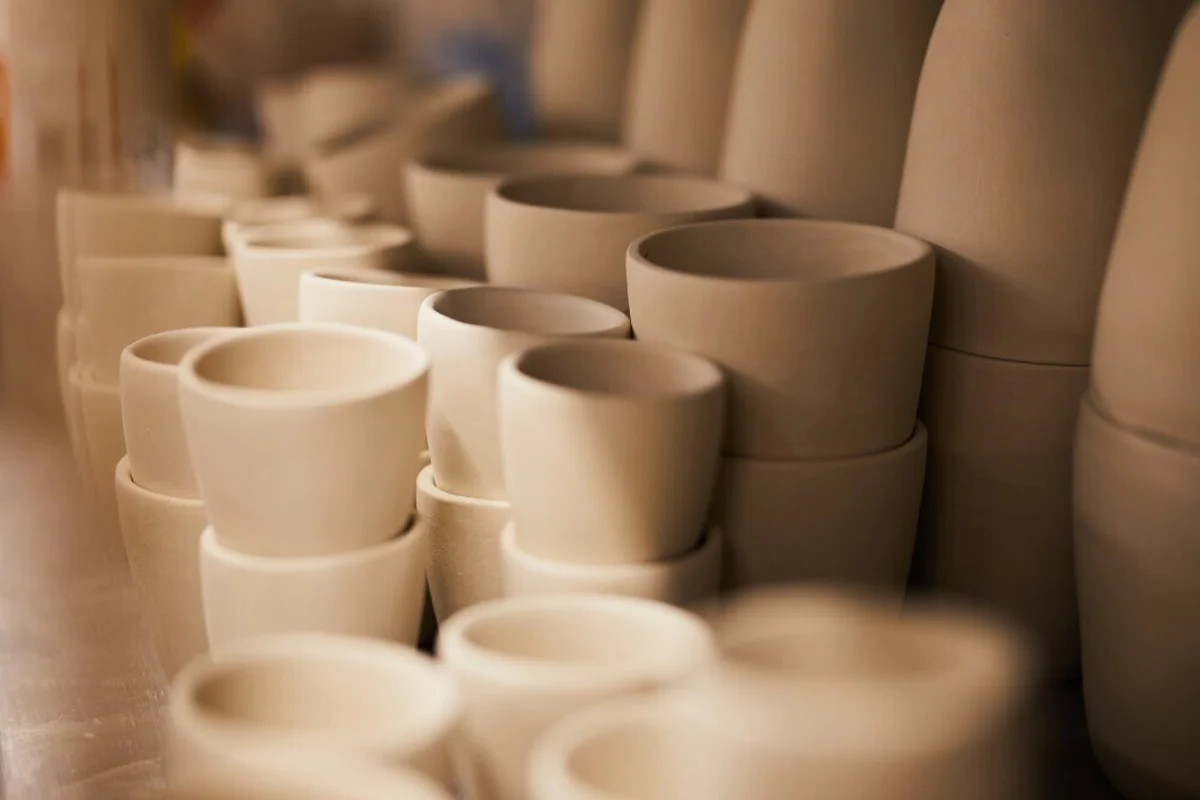
Stock image for referential purposes only
TRUNNANO has released a comprehensive guide covering nine advanced ceramic crucible materials, aiming to help engineers optimise material selection for high-temperature industrial processes as aluminium, metallurgy and advanced manufacturing applications demand greater performance, durability and process efficiency, published in the company's advanced ceramics platform, www.ozbo.com
According to Roger Luo, Chief Executive Officer of TRUNNANO, selecting the right crucible material is becoming increasingly important as manufacturers seek higher product purity, longer equipment life and improved process efficiency.
"In high-temperature processes, a crucible is not merely a container - it is a critical factor determining product purity and process success," Luo said.
Material selection is becoming increasingly important
TRUNNANO said industries such as aerospace, speciality alloy production, semiconductor manufacturing and aluminium processing are placing greater demands on crucible materials as operating temperatures and chemical exposure continue to increase.
According to the company, conventional single-material crucibles often struggle to simultaneously provide thermal shock resistance, chemical stability, mechanical strength and cost efficiency, making material selection a key consideration for industrial users.
To know the futuristic market and value proposition of red mud, explore the report "A Comprehensive Analysis of Bauxite Residue (Red Mud): Sustainability, Resource Recovery and Strategic Recommendations"
Alumina and advanced ceramics support aluminium processing
Among the materials highlighted, alumina remains the most widely used engineering ceramic because of its balanced combination of hardness, electrical insulation and high-temperature performance. TRUNNANO said alumina crucibles can operate at temperatures of up to 1,750°C, making them suitable for a broad range of industrial and laboratory applications.
The guide also highlights alumina-mullite, which combines the high-temperature stability of alumina with improved creep resistance and thermal shock performance. According to TRUNNANO, the material demonstrates significantly higher strength at elevated temperatures, making it suitable for demanding structural and thermal protection applications.
Another material identified as increasingly important is aluminium nitride, whose thermal conductivity of 170–200 W/m·K enables improved temperature uniformity during high-temperature processing. The company said these properties make it well suited for applications requiring efficient thermal management and consistent heating performance.
Beyond these materials, the guide also reviews silicon carbide, silicon nitride, boron nitride, boron carbide, fused silica and silicon carbide-bonded silicon nitride, each offering specific advantages depending on processing conditions and end-use requirements.
Longer service life and lower operating costs
The guide also examines the principal causes of crucible failure, including thermal shock, oxidation, chemical corrosion and melt penetration, noting that selecting materials suited to specific processing environments can extend service life while reducing contamination risks and overall operating costs.
TRUNNANO added that micro-structural defects, including pores introduced during manufacturing, can significantly affect mechanical performance, highlighting the importance of quality control and material inspection for high-temperature applications.
Applications extend across aluminium and advanced manufacturing
According to the company, the ceramic materials covered in the guide are already being used in high-purity metal smelting, aluminium and other non-ferrous metal processing, lithium-ion battery cathode material production, rare-earth permanent magnet manufacturing and semiconductor crystal growth.
Luo said TRUNNANO remains focused on expanding innovation in advanced ceramic materials while helping industrial customers improve production performance through better material selection.
"With this selection guide, we aim to systematise our years of application data and engineering experience across nine core ceramic materials, helping customers mitigate risks at the source and achieve cost reduction and efficiency improvement through scientific material selection," he said.
Explore buying & selling leads of alumina and trade opportunities on AL Biz
Brazil’s alumina ambition leaves a 13Mt red mud challenge: How effective is residue handling? The story behind one of aluminium's largest residues
Next articleAL Circle Analysis: H1’26 bauxite export, softer alumina, new aluminium supply risks
Grow with
AL Circle