The Trump administration’s aluminium tariffs starting at 25 per cent in March 2025 and doubling to 50 per cent by June have reshaped global aluminium trade, rattling supply chains and upending industry dynamics.
Major players like Alcoa, Rio Tinto, Rusal, Chalco, and Hindalco Industries have absorbed staggering costs. Alcoa alone reported USD 115 million in tariff-related expenses in Q2 2025, while Rio Tinto faced losses exceeding USD 300 million in just six months, heavily impacted by Canadian exports destined for the US market.
These tariffs have not only squeezed profit margins but also forced large firms to rethink their strategies. Many have rerouted shipments to Europe and Asia, invested in tariff-resilient segments such as aluminium for electric vehicle (EV) batteries, and deferred higher-cost operations. Their global networks, scale efficiencies, and deep financial reserves offer some cushion in this turbulent environment. Yet for Small and Medium Enterprises (SMEs), the picture is far grimmer. With tighter margins, limited market access, and constrained capital, many SMEs face existential threats amid this upheaval.
To know more about the future of aluminium market read: Global Aluminium Market - 2025-2032
SMEs grapple with rising costs, order declines, and cash flow crunches
Unlike large firms that can absorb tariff shocks, expand capacity, or diversify globally, SMEs lack these resources. They are dealing with steep increases in input costs due to tariffs, with limited ability to pass those costs onto customers.
Export-reliant SMEs, especially those dependent on the US market, report order reductions up to 30 per cent and payment delays averaging one month straining cash flows and jeopardizing business survival.
Corona Steel Industry Pvt Ltd, a West Bengal SME exporting aluminium products to the US, described the tariff hike especially the jump to 50 per cent—as “like a nail in a coffin.”
Naresh Sharma, a key figure at Bengal’s lone Aluminum Composite Panel exporter said “Had the US, desperately equipped with its upheaval tariff policy, averted the bruising trade war, our importers in Chicago, New York and Washington would have breathed a sigh of relief. That would have obviously helped offbeat product exporters like us to grease our gears and sail well.”
How SMEs are navigating tariff challenges
In India, with around 5,000 foundries including 400 serving both domestic and export markets, many small ancillary firms manufacturing clamps, brackets, and sheet metal products have faced sharp order cancellations and payment delays. Competition from cheaper Chinese imports has intensified pressures, forcing some SMEs to consider layoffs of 30-40 per cent. To cope, these SMEs are trying to diversify exports into Latin American markets such as Peru and Chile and increase focus on domestic sales, although domestic demand remains average and insufficient to fully compensate for lost US business. Many also call for urgent government support in trade agreements or tariff relief to sustain their exports.
European aluminium SMEs have suffered a steep loss of competitiveness in the US market due to tariffs ranging from 25 per cent to 50 per cent on semi-finished products. This has pushed many to redirect exports to alternative markets, disrupting traditional trade flows.
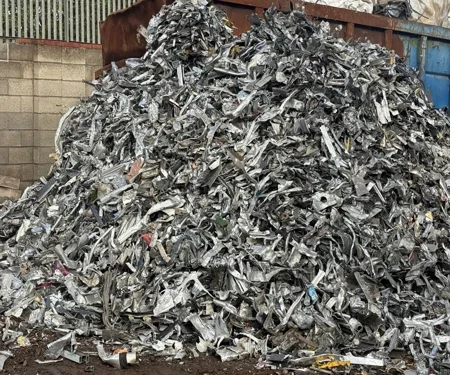
The surge in tariff-exempt scrap aluminium exports from Europe to the US has created local shortages and driven input prices higher. On top of these challenges, European SMEs face increased costs from the Carbon Border Adjustment Mechanism (CBAM) and rising energy prices, which add to operational and regulatory pressures.
In response, some SMEs are investing in recycling and scrap management to control rising costs, while others lobby for regulatory relief to ease the impact of CBAM and soaring energy expenses.
In Canada, small and medium aluminium businesses that were part of the North American supply chain now face retaliatory tariffs. These tariffs have forced them to send a large part of their aluminium exports to European ports like Rotterdam and Trieste instead.
This change has increased shipping costs, broken up established supply chains, and caused problems that affect smaller producers the most. With global demand dropping and competition growing, Canadian SMEs are looking for new markets in Europe and Asia, but they face challenges due to limited resources and infrastructure. To protect themselves from raw material price swings, some are focusing on adding more value to their products and managing more of the production process themselves.
Note: To feature your brand and share insights, contribute an article or interview in our forthcoming e-magazine "American ALuminium Industry: The Path Forward."












_md.webp)