Tiwai Point powers ahead: Rio Tinto’s NZ aluminium segment posts $176m profit
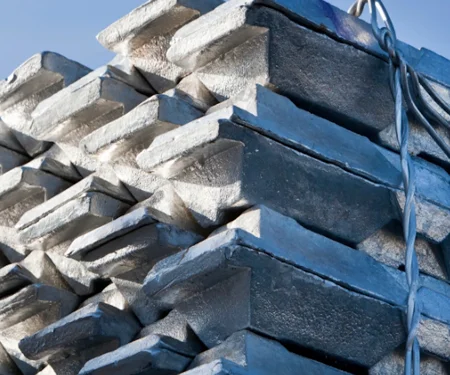
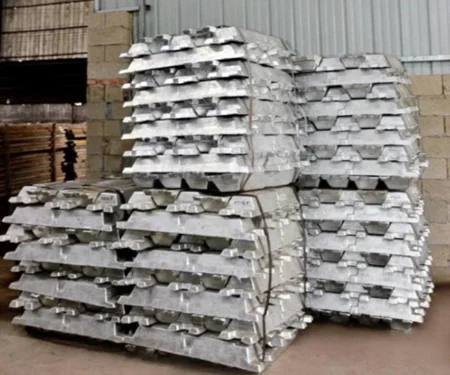
Stock image for referential purposes only
Rio Tinto’s New Zealand aluminium operations delivered a robust financial performance in 2025, with parent company Pacific Aluminium (New Zealand) reporting a net profit of USD 176 million, supported by higher aluminium sales revenue and increased production at the Tiwai Point smelter.
For the year ended December 31, 2025, Pacific Aluminium recorded a pre-tax profit of USD 246 million. Although lower year-on-year than the USD 1.28 billion reported in 2024, the previous year’s result was significantly boosted by a one-time accounting gain related to the acquisition of the remaining stake in New Zealand Aluminium Smelters (NZAS).
Explore: The most comprehensive and forward-looking industry-focused report — Global Bauxite & Alumina Market Forecast to 2036: Supply–Demand, Trade Flows & Price Report
Assuming full ownership of the Tiwai Point smelter, the company completed the purchase of Sumitomo Chemical’s 20.64 per cent interest in NZAS on November 1, 2024. The transaction generated a pre-tax accounting gain of approximately USD 1.03 billion, reflecting the revaluation of Pacific Aluminium’s previously held stake.
NZAS, which operates the smelter under a tolling arrangement that converts alumina into aluminium for Pacific Aluminium, reported a net profit of USD 20.7 million, compared to USD 2 million in the previous year.
Production surge strengthens Tiwai Point’s position
Hot metal production at Tiwai Point climbed 8.72 per cent Y-o-Y to 314,936 tonnes in 2025 from 289,688 tonnes in 2024, backed by a rise in the average number of operating cells from 533 to 579, up 8.6 per cent. During the year, the smelter rebuilt 145 cells, compared to 104 in 2024, thereby raising the bar by 34.4 per cent, while capital expenditure increased a remarkable 53.66 per cent to USD 63 million from USD 41 million.
Improved output translated into stronger revenue generation. Pacific Aluminium’s aluminium sales revenue improved to USD 1.49 billion from USD 1.02 billion in 2024, marking a 46.08 per cent hike. Meanwhile, NZAS reported tolling revenue of USD 703.3 million, up 1.69 per cent Y-o-Y from USD 691.6 million.
The operating company also benefited from a positive revaluation of long-term electricity hedges, recording a gain of USD 63.4 million compared to a loss of the same amount the previous year, covering a fixed electricity supply of 572 MW through 2044. However, the company noted that long-term power price forecasts remain uncertain.
Operating costs at NZAS rose 18.44 per cent Y-o-Y to USD 718.7 million from USD 606.8 million, driven by higher expenditure on raw materials, consumables, maintenance activities, freight and external services. Lower depreciation costs partially offset the increase.
Expansion ambitions gather pace amid favourable market conditions
Timing of the financial performance is significant as Rio Tinto and Contact Energy evaluate the potential restart of the smelter’s fourth potline, which was idled in 2020. Recently, the firms signed a non-binding letter of intent covering an agreement on future power purchase that could reinforce restarting the potline from 2030.
The proposal would also highlight the development of Contact Energy’s Southland Wind Farm and require an additional electricity supply estimated at 50 MW.
The Middle East conflict has led to a massive spike in global aluminium prices. The London Metal Exchange (LME) aluminium price history shows the cash offer gaining per cent from USD 3,157.5 per tonne, recorded on February 27, the day before the start of the Middle East conflict, to USD 3,855 per tonne on June 2, entering the third month of the conflict. Market sentiment has strengthened amid anticipations of a supply deficit, with the Gulf region accounting for around 9 per cent of global aluminium smelting capacity.
Balance sheet remains robust
At the end of 2025, Pacific Aluminium had allocated USD 508.7 million for rehabilitation and closure obligations, based on the assumption that the Tiwai Point smelter will continue operating until 2044. The company also maintained an environmental restoration account balance of USD 135.5 million with New Zealand’s Inland Revenue Department.
Pacific Aluminium’s New Zealand operations ended the year with total assets of USD 2.43 billion, including USD 1.14 billion in property, plant and equipment, inventories worth USD 277.5 million and cash reserves of USD 537 million.
No dividend payments were made to shareholders during either 2025 or 2024.
Participate in our upcoming e-Magazine - Mine to Market: ALuminium Producers & Manufacturers 2026

Aluminium price hits four-year high at $3,855/t, advances to rewrite the LME price history
Next articleProposed Oklahoma aluminium smelter project becomes key issue in governor’s race
Grow with
AL Circle