Sustainable construction needs sustainable components

The process of construction and operation of buildings can have an all-encompassing direct and indirect impact on the environment, society, and the economy at large. The field of green construction seeks to stabilize the requirements of these zones by making use of an assimilated sustainable method to construct a 'win-win' design approach. During the construction process, buildings use essential resources, generate waste, release dangerous atmospheric emanations, and severely alter the land function and its capability to absorb and capture water into the ground.
R.K. Jain; Senior Vice President, Corporate Affairs, Jindal Aluminium Limited
The chief objective of ecological construction is to condense or totally avert the exhaustion of vital resources like water, energy, land and crucial raw materials; preclude the degradation of environmental cause by infrastructure throughout their life cycle, and accordingly build environments that are completely liveable, secure, sustainable and productive.
Architects, builders and designers have to face the manifold challenges to effectively meet the demands for novel and refurbished facilities that are sustainable, secure, healthy and productive while trying their level best to mitigate any undesirable impacts upon the surroundings, the environment, and most importantly the overall economy.
A prime aspect which cannot be missed while considering ecological construction practises is the requirement for sustainable components. One crucial step in this direction is to encourage the practice of retrofitting prevailing buildings rather than constructing new structures. This is a cost-effective step owing to the fact that designing chief restorations and retrofits for existing buildings in order to incorporate sustainable design characteristics tends to lessen further operational values and harmful impacts on the environment and, above all, can augment the resiliency of the building.
Below mentioned is a list of need-of-the-hour sustainable components that are required in sustainable constructions:
Sustainable aluminium used in sustainable construction
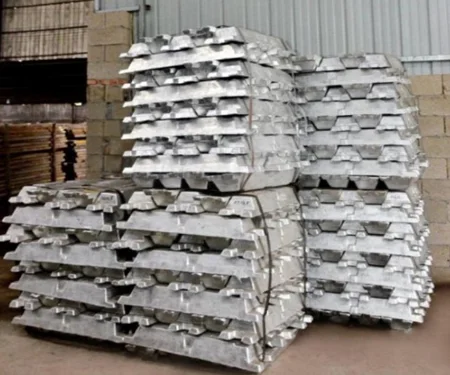
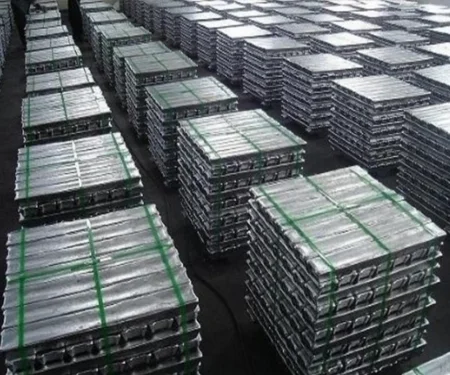
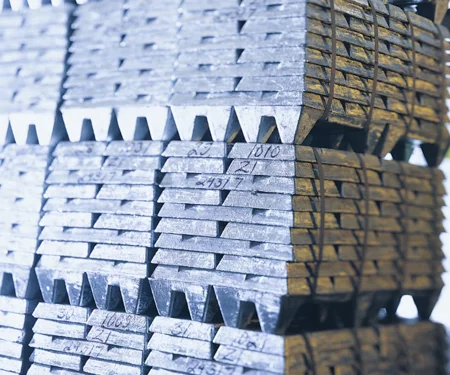
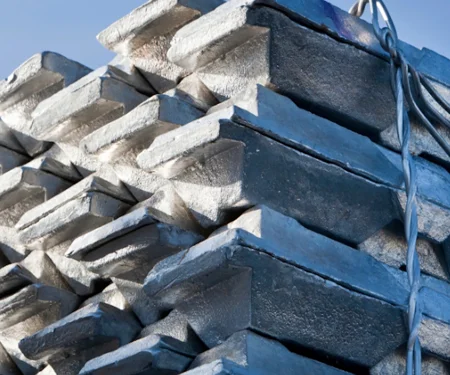
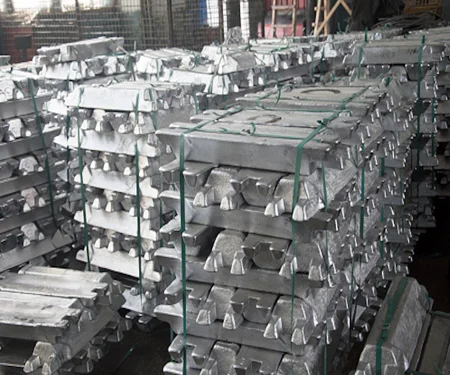
Out of the various types of metals that have been used for the purpose of building construction, aluminium is the most preferred metal in the sustainable category. It is considered one of the most superior ecological solutions for construction and then building façades, wall claddings, window frames and panels, to name a few. Aluminium is increasingly developing into the material of choice in modern-day environment-friendly buildings owing to its corrosion resistance and recyclability. The energy utilized for primary production is exemplified, to a large extent, in the metal and, subsequently, in the building construction too. Modern-day buildings hence present massive 'urban mines' of around four hundred million tonnes of aluminium metal that can be mined and salvaged through the utilization of only five per cent of the initially used energy, not just once but recurrently. An important point that illuminates the reusable properties of the metal is that although it is widely applied in buildings, it does not remain perpetually in place. Buildings are modified sporadically, thereby releasing aluminium for the purpose of recycling.
Aluminium: A key sustainable component
Solar heating and photovoltaic: Owing to its properties like heat conductivity and sturdiness, anodized aluminium, feasibly pooled with photovoltaic reflectors to highlight the sun's rays, seems to be the material of choice to capture the radiation of solar energy. Taking benefit of the material's strength and dexterity, aluminium profiles are principally used in photovoltaic systems and are particularly mounted on building roofs, where weight necessities to be condensed as much as possible. Aluminium profiles are unambiguously designed to allow the effortless and long-lasting electrification of the whole photovoltaic system. Hence, aluminium is a significant material that is assisting the development of solar-based energy supply systems, which are making a noteworthy contribution to fortifying the green dimension of buildings.
Aluminium facades: Intelligent, sustainable facades encompassing aluminium systems can help diminish the energy consumption in buildings by up to fifty per cent. The crucial feature of these intelligent buildings is their enhanced interface with the exterior, condensing the demands for heating, cooling, ventilation and lighting energy throughout the seasons.
Aluminium profiles and glass: These components provide the perfect blend to safeguard a high level of natural lighting inside the buildings. For instance, slender thermally broken aluminium profiles for windows with the same dimension can increase transparent areas by up to twenty per cent compared to windows with frames composed of other materials. Besides improving the lighting, these windows insulate the internal space from external atmospheric noise and temperature. By augmenting natural lighting, aluminium profiles help reduce the requirement for artificial lighting, contributing considerably to the structure's sustainability.
Aluminium cladding: These claddings are most utilized for building exteriors. Most of the aluminium cladding for the construction domain is pre-coated to suit the décor of the building to increase its aesthetic appeal. This creates a shielding layer on the core material that defends it against ecological factors. Aluminium is a lightweight metal that is long-lasting, resistant to corrosion, and 100 per cent renewable and claddings made from aluminium can last the lifetime of a sustainable structure and beyond. The effective usage of aluminium cladding contributes to green building design by allowing high ratings in enhancing the buildings' energy efficiency.
Sustainable roofs: Green roofs, like roof shingles composed of salvaged waste materials like aluminium, wood, plastic and fibre are incredibly long-lasting. They are measured to be ecologically friendly because they keep waste out of landfills, and there is no requirement to process raw materials. This further condenses pollution and lowers down consumption of energy.
Water management in green building: In the case of sustainable constructions, lessening the usage of water is attained by the installation of grey water and rainwater catchment systems that reuse water for the purpose of irrigation or toilet flushing; water-efficient utilizations, like low-flow showerheads or spray taps; low-flush toilets. To efficiently manage water, most sustainable structures have adopted Rainwater Harvesting, which is the principle of collecting and using precipitation from the surface of a catchment. Since construction practises are heavily dependent on water usage, making optimum use of water harvested from rain during construction can majorly facilitate conserving the local water resource.
Considering the increased exploitation of the available resources and the added stress it brings to the environment, going sustainable is the need of the hour. Embracing sustainable components for green construction is one way the industry can condense the environmental impact. These components facilitate increasing the sustainability component through their performance properties. Hence these green components are not just a potential but a reality that keeps the environment moving.
Low-carbon aluminium: A silver bullet for the construction industry
Next articleRussian aluminium solutions for the construction sector
Grow with
AL Circle