EU aluminium extrusion trade story: Exports rebound and imports retreat, yet inbound volumes remain higher
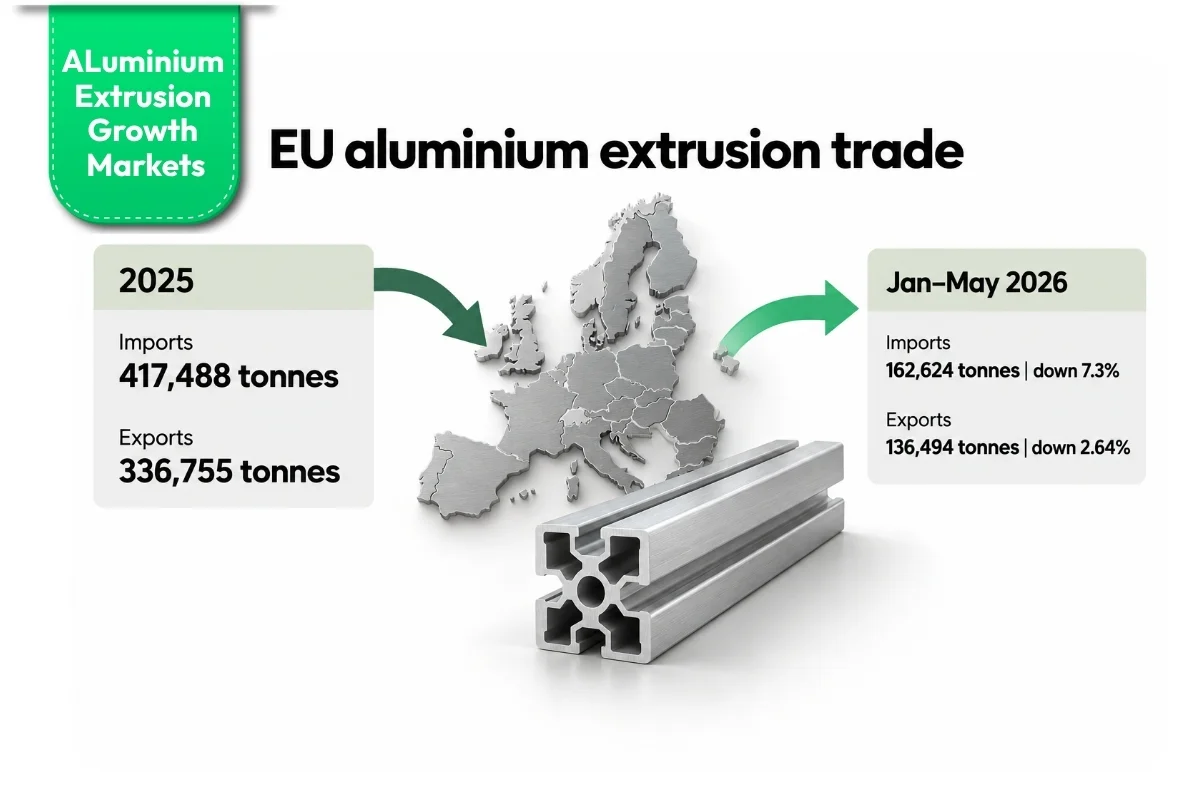
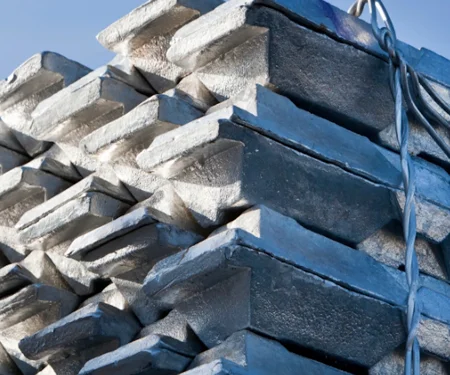
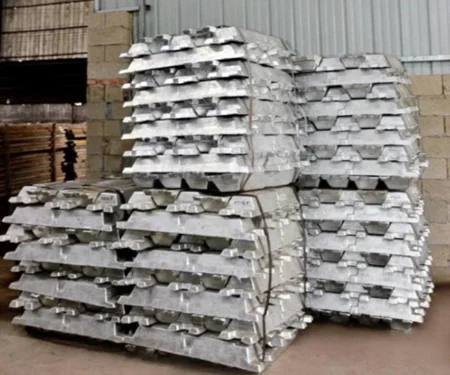
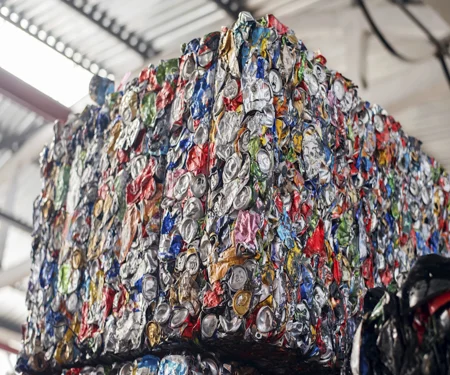
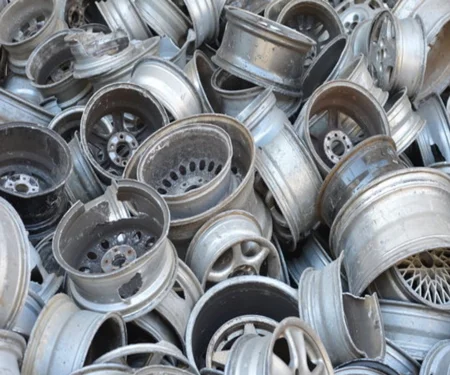
The image used in this article is generated with an AI tool and does not depict any real-time moment
The European Union’s aluminium extrusion trade is moving in two distinct, although equally subdued, directions. Exports have remained broadly resilient despite repeated fluctuations, while imports have been declining consistently since reaching a peak in 2022, according to International Trade Administration data.
As far as exports are concerned, the volumes have been fluctuating over the years now. After declining for the two consecutive years by total 10.14 per cent from 345,241.74 tonnes to 310,217.09 tonnes in 2020, the exports rose strikingly in the subsequent year and regained higher volume than in 2018 level, coming in at 356,523.94 tonnes in 2021. However, the recovery did not last beyond two years and eventually plunged to as low as 319,840 tonnes as of 2023. They subsequently recovered to 338,931 tonnes in 2024 before remaining largely range-bound at 336,755 tonnes in 2025.
However, after undergoing fluctuations, the European Union’s extruded aluminium exports last year came in at the same level as in 2017, meaning despite the frequent plummets like in 2020 and 2023, the export volume rebounds above 330,000 tonnes.
AL Circle is coming up with a new Magazine "ALuminium’s Frontline: OEM Edition 2026." Feature your brand and opinion in the edition
Imports retreat sharply from the 2022 peak
In contrast, the EU’s extruded aluminium imports declined over the same period by about 5.15 per cent. The volume in 2025 totalled 417,488 tonnes versus 440,176 tonnes in 2017. The downtrend in the European Union’s aluminium exports primarily began since 2023 after the volume contracted from its level high in the earlier year, from 591,845 tonnes to 478,934 tonnes. It decreased further the next year (2024), coming in at 420,891 tonnes.
From 2017 to 2022, the European Union’s aluminium extrusion imports surged by 34 per cent in total from 440,176 tonnes to 591,845 tonnes. And from 2022 to 2025, they declined with almost the same force, by about 30 per cent. From January to May 2026, the import volume was 162,624 tonnes – 7.3 per cent down Y-o-Y from 175,373 tonnes.
Anti-dumping duties reshape Chinese supply
Going by the data, both the European Union’s aluminium extrusion imports and exports are either in range-bound or on downtrend. Why so? Well, the reason for the dip in imports could be the imposition of definitive duties within the range of 21.2-32.1 per cent on imports of aluminium extrusions originating in the People’s Republic of China. Duties followed a year-long investigation that started on February 14, 2020, based on the complaint lodged by European Aluminium on behalf of producers representing over 15 per cent of total EU production. As the investigation found unfair trade practices by China causing damage to the EU industry, the commission levied duties to protect 40,000 jobs of the domestic industry worth EUR 12 billion.
Until the implementation of duties in 2021, the European Union used to receive over 100,000 tonnes of extruded aluminium annually. In 2019, the EU imported 140,713 tonnes of aluminium extrusions from China, which was about 31 per cent of the total imports. The year next, the imports stood at 107,572 tonnes, down than the year earlier, with share declining to about 25 per cent. Since then, the European Union’s imports from China continued to decline to as low as 29,282 tonnes, affecting its overall import volume. This year 2026 is also reflecting the same trend, with only 11,308 tonnes of imports during the first five months.
Turkey remains the constant amidst all ups and downs
However, there is one country that is feeding the European Union’s aluminium extrusion needs and that is Turkey, whose supplies to the EU have fallen since 2022, yet stand above 200,000 tonnes. As of 2025, Turkey’s aluminium extrusion exports to the European Union stood at 222,501 tonnes compared to 269,249 tonnes in 2022 but emerged higher Y-o-Y than 211,989 tonnes. Since the consistent growth from 83,588 tonnes in 2016 to 269,249 tonnes in 2022, Turkey’s aluminium extrusion exports to the EU declined for two consecutive years, coming in at 224,888 tonnes in 2023 and 211,989 tonnes in 2024.
Connect with verified aluminium extrusion buyers and suppliers through the AL Biz marketplace.
Import surplus confirms continued demand
Here, what is to be noticed is that even though the European Union’s aluminium extrusion imports fell over the years, they stood higher than the export volume, indicating a demand in the region. According to AL Circle research report, demand for low-carbon and recycled aluminium extrusions is increasing. Producers supplying the EU are investing in traceability, sustainability certification and carbon reporting to maintain market access.
Overall, in Europe, aluminium extrusion usage is forecast to rise from 3.48 million tonnes in 2025 to 3.56 million tonnes in 2026, which would be an increase of 2.3 per cent Y-o-Y. Going ahead, by 2035, this is expected to grow by 27 per cent from 2025 levels. Recent figures already point to a change in demand patterns. European extrusion demand improved modestly in H1 2026, with Q2 demand increasing 0.4 per cent Y-o-Y following a weaker first quarter.
The gap between the positive long-term consumption forecast and the current weakness in trade suggests that future growth may not be evenly distributed. Demand is likely to be concentrated in applications connected with transport lightweighting, energy-efficient buildings, renewable energy, electrification and products with verifiable low-carbon attributes.
Europe’s extrusion and recycling network is also highly fragmented, with a large proportion of plants operated by small and medium-sized enterprises across Belgium, Germany, Finland, France and other European markets. These companies provide geographic proximity and specialised production capabilities, but many face higher energy, labour, compliance and investment costs than larger international competitors.
For these producers, the expected rise in extrusion demand does not guarantee stronger profitability. Their ability to benefit will depend on plant efficiency, access to scrap, energy costs, investment in advanced alloys and finishing capabilities, and compliance with increasingly demanding carbon and traceability requirements.
To know the global production, demand and consumption forecasts of aluminium extrusions, explore our report "The World of Aluminium Extrusions to 2035"
Europe’s extrusion market is being reorganised, not simply weakened
The trade data indicate more than a cyclical decline. China’s presence in the EU extrusion market has been sharply reduced, Turkey has become the leading external supplier, and imports have retreated from their 2022 peak. Exports, meanwhile, continue to recover after periods of decline but have failed to establish a sustained upward trajectory.
At the same time, European extrusion consumption is expected to grow over the longer term. This creates an apparent contradiction: demand is improving, but both imports and exports remain subdued.
The explanation lies in the changing structure of the market. Trade protection, weak near-term industrial conditions, domestic production capacity and stricter sustainability requirements are collectively altering where the EU sources aluminium extrusions and which suppliers can compete.
The market is therefore not disappearing. It is becoming more regional, more regulated and more demanding. The companies most likely to benefit will be those capable of combining competitive costs with low-carbon production, recycled content, technical specialisation and credible product traceability.
Note: This is exclusive coverage by AL Circle and may not be reproduced, republished or shared without prior permission.
Sampat Aluminium appoints Sanket Deora as new CFO
Next articleUS imported 11.5x more primary aluminium from Canada than it exported in semi-fabricated form in H1 2026 - know why
Grow with
AL Circle