Low-carbon aluminium: A silver bullet for the construction industry
If the building and construction sector is to keep pace with global climate goals, it must overcome formidable decarbonisation challenges. With the industry increasingly turning to Whole Life Carbon Assessments to manage building emissions, both the scrutiny of raw materials and the case for aluminium use are growing. Nevertheless, this does not mean all of the world’s aluminium capacity fits the task; the construction sector needs explicitly low-carbon aluminium.
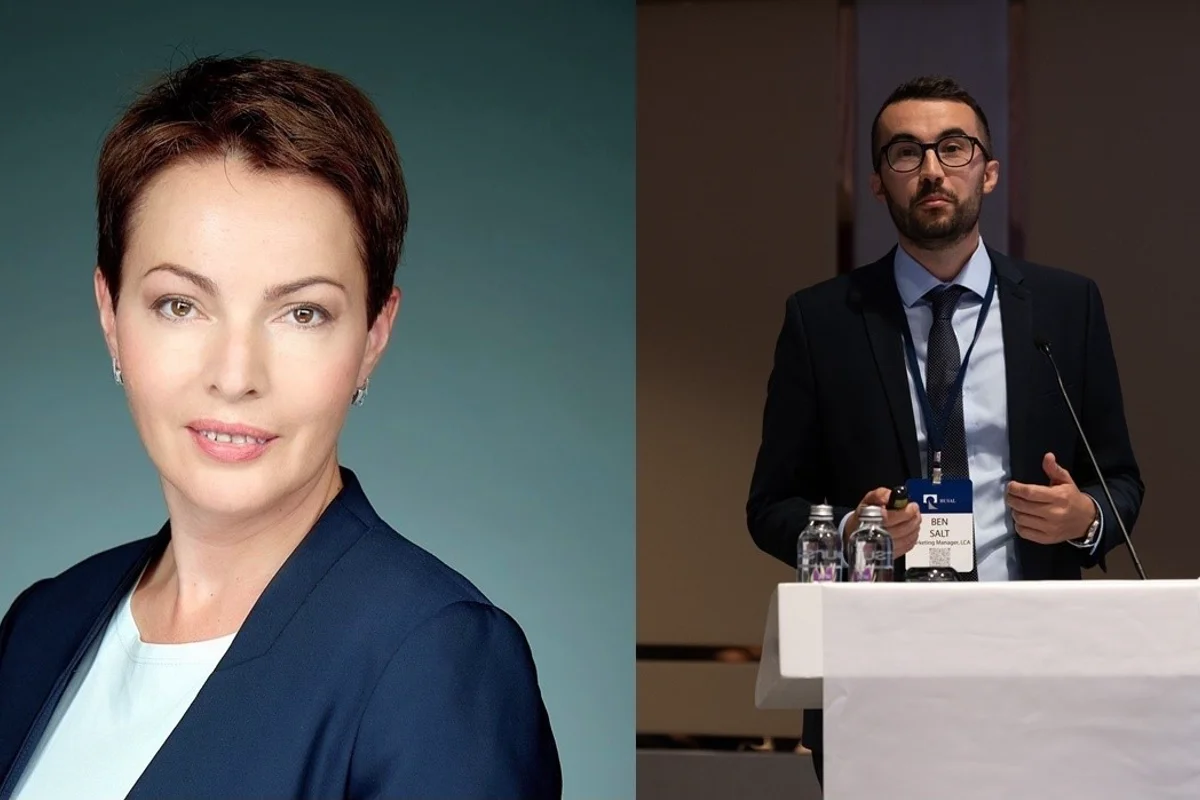
Inga Simonenko, Market Intelligence and Commercial Sustainability Director, UC Rusal
Ben Salt, Sustainable Solutions Manager. UC Rusal
Considering the impacts of the construction industry
While construction represents one of the most important economic and social development drivers, it also embodies many of the most environmentally damaging human practices. Today, the building sector is responsible for over a third of global carbon dioxide emissions, responsible for around 50% of global resource consumption, and is one of the biggest waste generators. Moreover, the industry is showing no signs of slowing down, with world-building stock expected to double by 2050 and the sector’s resource consumption to double by 2060.
Given its scale of impact, it is not surprising that the decarbonization of the building & construction sector is a key pillar to many regional climate strategies. Delivering on the terms of the UN Sustainable Development Goals, the Paris Agreement and the EU’s climate-neutral target will all require considerable changes in how the construction sector manages its emissions. Moreover, recent indications that the industry is not yet on track to achieve decarbonization by 2050 are only adding to the urgency.
From operational emissions to whole-life carbon assessments
Traditionally, sustainability efforts have focused on operational emissions – how to make buildings more energy efficient – which account for most of the sector’s carbon footprint. More recently, roadmaps to carbon neutrality have widely stated the need for a broader view of emissions. Consequently, European and North American governments have been responding with policies that will enforce Whole Life Carbon Assessment (WLC). WLC assessments consider operational emissions and those associated with product manufacturing, construction processes and end-of-life emissions. This makes the performance of raw materials against embodied carbon, recyclability, part replacement rates, utilization and recycling metrics immensely important.
Aluminium as a sustainable raw material
Aluminium currently plays a vital role in both house construction and more complex infrastructure developments. In a standard home, aluminium is likely embodied in roofing, guttering, facade, shutter, balcony, window, door or fencing systems. Outside, much of the road furniture, tunnels and bridges passed on a typical work commute will also be made from aluminium. In these applications, aluminium’s corrosion resistance, strength-to-weight ratio, aesthetics, temperature resistance, elasticity and ease of fabrication have historically driven its consumption. It is, however, in the area of sustainability where many of the future drivers for aluminium consumption will be found.
The benefits of aluminium across WLC emissions:
- Longevity: Aluminium is an exceptionally durable and corrosion-resistant metal. As these properties reduce the maintenance and replacement rates of associated parts, buildings can reduce the environmental impact of repeated resource consumption.
- Recyclability: Aluminium can be recycled multiple times while retaining its exceptional physical properties. By retaining its usefulness post-life, aluminium-containing products can perform strongly in WLC assessments that consider the impacts of material waste and recovery. Projects can also benefit from the addition of recycled content within their input materials, as they can contribute to LEED (Material & Resources) credits.
- Ease of fabrication, lightweight & transport: Aluminium’s exceptional strength-to-weight ratio means that lighter aluminium components can achieve comparable performance to heavier alternatives. Due to these characteristics, manoeuvring, transporting and fabricating products can be both easier and less energy intensive. Lightweight aluminium mounting systems further help drive renewable use by supporting the installation of solar panels on a wide range of surfaces, such as rooftops and walls.
- Energy efficiency: Aluminium systems can be used to decrease the energy burden of buildings in several ways. Using specialized aluminium roofing systems, buildings can increase solar radiation reflection, lower temperature absorption, improve energy regulation and limit the impact of material expansion caused by heating. Meanwhile, aluminium cladding and thermally broken aluminium window frames can be used to enhance insulation and reduce the energy burden. Products that improve temperature regulation can further qualify for LEED (Atmosphere & Energy) credits.
It is clear that aluminium has a positive role to play in the industry; however, complete WLC assessments require consideration of the upstream emissions to manage the embodied product emissions.
But isn’t all aluminium green?
A common mistake when dealing with commodities is to overlook the differences in product supply chains. This is especially true of primary aluminium, where a wide range of energy sources can lead to extremely different environmental impacts. Emissions are generated throughout mining, refining and smelting processes; however, the key driver of the aluminium sector’s emissions lies in the electricity used within the electrolysis process at the smelter. In general, a smelter will source one of 3 power sources: Hydropower, Gas or Coal. Coal is responsible for more than half of global production and is associated with typical cradle-to-gate values of around 17-24 t CO2e/ t Al. Smelters using gas can be seen associated with aluminium, often produced at about 10-14 t CO2e/ t Al. Meanwhile, those smelters using hydropower can eliminate almost all electricity emissions and produce aluminium at less than 7 t CO2e/ t Al. If we, therefore, consider a project utilizing 10 tonnes of aluminium, we can see savings of more than 100 tCO2e just by selecting a low-carbon aluminium over a tempting coal-based alternative!
Introducing ALLOW
Rusal is a leading player in the low-carbon aluminium market and believes in delivering lower GHG emissions at every production stage. The current result is the low-carbon brand ALLOW. Representing more than 3 million tonnes of production, ALLOW is produced by harnessing Siberian hydropower to supply some of the cleanest aluminium available today. With average cradle-to-gate emissions of just 5.9 tCO2e / t Al, it is less than half the industry average and 4 times lower than the emissions embedded in many coal-based alternatives. ALLOW distinguishes itself not only with its carbon footprint but also in its transparency, certification and support; this means guiding clients through the different materials and tools available to ensure total capacity to trace emissions.
Leveraging the advantages of low-carbon aluminium
Procuring responsibly produced aluminium further enables contractors and semis producers to leverage the competitive advantages of a low-carbon offering. Businesses producing construction goods are increasingly developing and profiting from low-carbon product brands. Moreover, companies across the value chain can use low-carbon content to gain credits from green building certifications that reward suppliers with low-carbon solutions. This includes LEED certifications, which can credit those demonstrating embodied carbon levels below the market average.
Shaping tomorrow’s sustainable supply chains
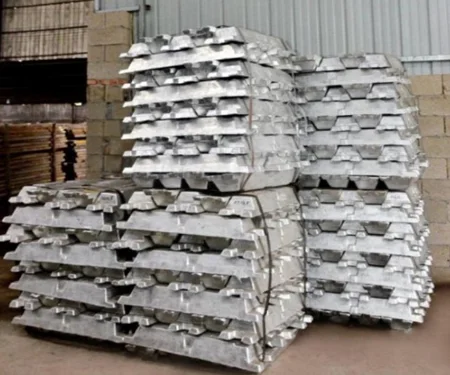
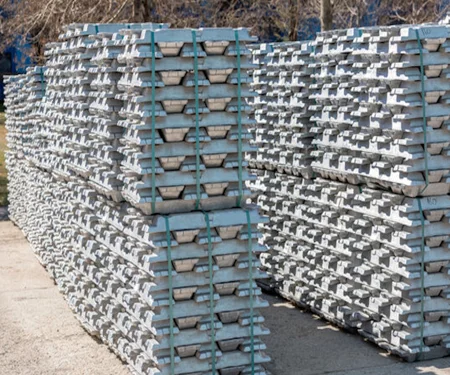
Decarbonization cannot take place in isolation. Making meaningful changes to embodied emissions requires collaboration, knowledge sharing and transparency across the supply chain. In the case of RUSAL, billets, slabs and wire rods are produced, giving rise to low-carbon extrusion, FRP and cabling products. Beyond this, however, Rusal endeavours to understand the specific sustainability demands of end users and deliver the independently audited carbon footprint data needed to drive transparency throughout the supply chain.
Delivering on tomorrow’s needs means investing in and collaborating on solutions that will decarbonize hard-to-abate emissions, which remain even after utilizing renewable energy for electrolysis. Rusal’s comprehensive decarbonization plan targets both smelter technology and recycled content. The former include smelter upgrades and the development of breakthrough inert anode smelting technology, which seeks to eliminate almost all direct smelting emissions. Meanwhile, Rusal is developing its capacity to incorporate scrap into billets and alloys at smelters in Sweden and Russia.
Your sustainability partner
The demands of GHG accounting methodologies, ESG requirements and environmental regulations continue to increase. In response, Rusal has been developing its sustainability solutions offering to help companies across the aluminium supply chain overcome ESG challenges and take advantage of them. Rusal offers low-carbon products in all shapes for all key market applications. A dedicated sustainable solutions team are further prepared to assist clients with sustainability insights, market data and guidance on new regulations. Meanwhile, sustainability passports and independently audited carbon footprint statements drive transparency through the supply chain. Industry-leading ESG ratings are a further testament to Rusal’s solid environmental performance. This includes Rusal’s A- CDP climate rating (2021), which reflects the company’s decisive actions against climate change.
Collaborate with Rusal today and deliver ESG results that help both combat climate change and deliver longer-term competitive advantages. Whatever your sustainability challenge, Rusal is ready to help.
MEC's acquisition of Mid-States Aluminum will expedite its growth in lightweight materials production
Next articleSustainable construction needs sustainable components
Grow with
AL Circle