05 DECEMBER 2011WASTE management world
Rising from the Waste to Energy Ashes
Edited by : AL CIRCLE
3 min read

Across Europe some 70 million tonnes of waste were incinerated in waste to energy facilities during 2009. Despite best efforts to process only residual waste and divert recyclables, large quantities of metals and minerals remain in the resulting 16 million tonnes of bottom ash. As commodity prices remain high, Carsten Spohn and Marta Gurin explore some of the recycling opportunities presented.
Resource efficiency, sustainable growth and climate protection are important challenges for European society. With growing demand for virgin and recycled materials it is becoming increasingly important to make the best use of our resources. Waste management has a role to play in meeting these challenges.
In Europe we can observe steady improvements in waste treatment and reduction of impact from waste disposal, growing rates of waste recycling and efficient recovery of energy from the remaining waste. Policy initiatives also aim at reducing waste generation through prevention. Today waste is increasingly viewed as a resource, and using unavoidable waste as a valuable resource wherever possible is a must for today's society.
Waste to Energy (WtE) plants play an important role in the environmentally sound treatment of waste and in improving Europe's resource efficiency. The facilities produce sustainable energy from the treatment of mixed municipal and similar waste which remains after waste prevention and recycling.
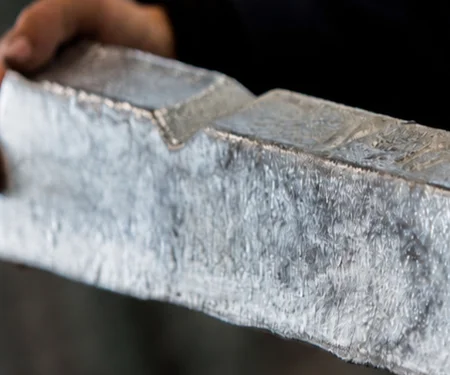
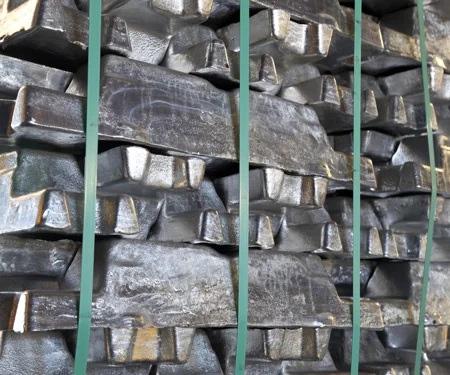
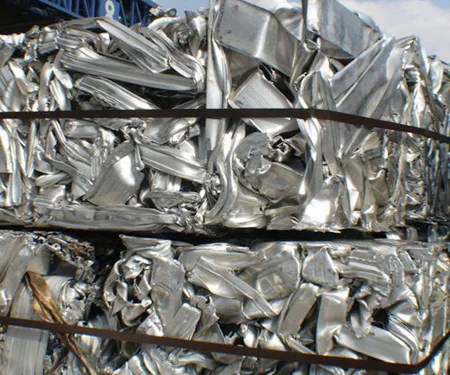
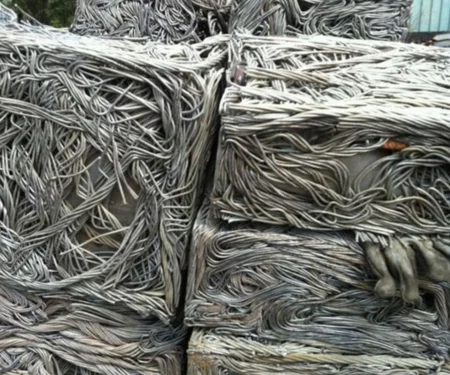
Furthermore valuable parts of the bottom ash, which is the residue from the combustion process can be recycled. For example, the remaining ferrous and non-ferrous metals in waste can be extracted from the bottom ashes and recycled into new products such as aluminium castings for the automotive industry. Other remaining minerals can be used as secondary aggregates, e.g. in road construction or in building products.
Bottom ash consists of non-combustible materials, and is the residual part from the incineration of waste. It is collected at the end of the grate in a WtE plant and represents the largest mass flow of residues from the thermal treatment of waste, accounting for 20% to 25%.
Taking into account the amount of waste incinerated with energy recovery in Europe during 2009 (around 70 million tonnes of household and similar waste) it is estimated that 16 million tonnes of bottom ash was produced that year.
Raw bottom ash is a granular material that consists of a mix of inert materials such as sand, stone, glass, porcelain, metals such as iron, steel, aluminium, copper, zinc and ash from burnt materials. It is worth mentioning that the combustion process cleans and separates metals and inerts from mixed waste, which could not otherwise be recycled. As a result further recycling of these materials is possible.
Resource efficiency, sustainable growth and climate protection are important challenges for European society. With growing demand for virgin and recycled materials it is becoming increasingly important to make the best use of our resources. Waste management has a role to play in meeting these challenges.
In Europe we can observe steady improvements in waste treatment and reduction of impact from waste disposal, growing rates of waste recycling and efficient recovery of energy from the remaining waste. Policy initiatives also aim at reducing waste generation through prevention. Today waste is increasingly viewed as a resource, and using unavoidable waste as a valuable resource wherever possible is a must for today's society.
Waste to Energy (WtE) plants play an important role in the environmentally sound treatment of waste and in improving Europe's resource efficiency. The facilities produce sustainable energy from the treatment of mixed municipal and similar waste which remains after waste prevention and recycling.
Furthermore valuable parts of the bottom ash, which is the residue from the combustion process can be recycled. For example, the remaining ferrous and non-ferrous metals in waste can be extracted from the bottom ashes and recycled into new products such as aluminium castings for the automotive industry. Other remaining minerals can be used as secondary aggregates, e.g. in road construction or in building products.
Bottom ash consists of non-combustible materials, and is the residual part from the incineration of waste. It is collected at the end of the grate in a WtE plant and represents the largest mass flow of residues from the thermal treatment of waste, accounting for 20% to 25%.
Taking into account the amount of waste incinerated with energy recovery in Europe during 2009 (around 70 million tonnes of household and similar waste) it is estimated that 16 million tonnes of bottom ash was produced that year.
Raw bottom ash is a granular material that consists of a mix of inert materials such as sand, stone, glass, porcelain, metals such as iron, steel, aluminium, copper, zinc and ash from burnt materials. It is worth mentioning that the combustion process cleans and separates metals and inerts from mixed waste, which could not otherwise be recycled. As a result further recycling of these materials is possible.
Previous article
Secondary aluminium flat in Europe on low demand, Q1 deals done
Next articleNonferrous Scrap: North America
Grow with
AL Circle