04 DECEMBER 2011platts
Secondary aluminium flat in Europe on low demand, Q1 deals done
Edited by : AL CIRCLE
3 min read

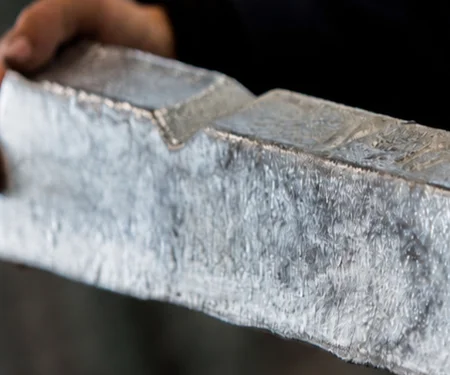
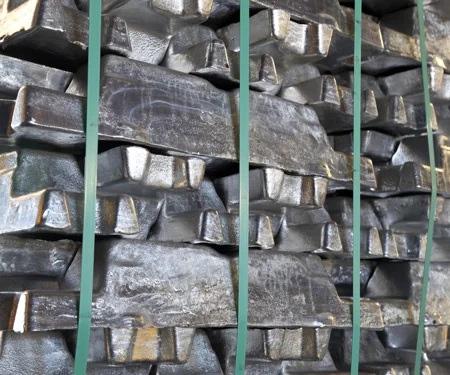
Aluminium alloy 226 prices stabilized in Europe this week in thin market conditions as consumers maintained minimum stocks in the run-up to the end of the year. First-quarter contract talks have continued this week and resulted in a number of buyers fixing prices at the prevailing spot levels.
"It was a good time to fix some business," said a German consumer, who added that he had fixed Q1 226 prices at Eur1,680-1,700/mt ($2,237-2,263/mt) delivered Germany, including terms.
"We have kept our requirements shorter than in 2011 as there may be a downturn in demand next year," he said, adding that he had also left about 10% "open" for Q1 to take advantage of any further downturn in spot prices.
A large automotive producer is holding a "closed" purchase auction next week which is expected to give an indication of spot market prices, sources agreed. The carmaker is understood to need about 25,000 mt of aluminium alloys including some 5,000 mt of standard-grade 226.
"The auction will give us a good signal of Q1 prices and future demand levels," said a trader, who added that sellers would need to secure scrap feedstock prices because "when the snow comes, prices will go up."
Prices for 226 were around Eur1,680-1,690/mt, delivered, in Germany this week, said a trader, adding that 231 alloy was holding up at Eur1,780/mt delivered.
A second consumer said he had been offered Eastern European ingot at Eur1,660/mt delivered, but had not bought.
"The market is still very quiet. Consumers are very careful about purchasing," said a European alloy producer, who added that he saw prices in Germany at Eur1,700/mt delivered and below. "The pressure comes from Italy. Prices there are around Eur1,650/mt and the demand situation there is very difficult," he said.
In Italy, prices remained depressed at Eur1,650/mt and below, in some cases, while in Spain one producer said: "The market is so quiet. It is impossible to sell to Germany at these prices because of rising transport costs, which have increased by more than 50%, perhaps because fewer trucks come from Germany to Spain."
Some market players expected prices to soften during December by a further Eur20-30/mt because of lower seasonal demand and uncertainty over the economic climate. But the general view was that ingot prices would be forced to rise in late December or early January because scrap prices were likely to increase during the winter months.
"It was a good time to fix some business," said a German consumer, who added that he had fixed Q1 226 prices at Eur1,680-1,700/mt ($2,237-2,263/mt) delivered Germany, including terms.
"We have kept our requirements shorter than in 2011 as there may be a downturn in demand next year," he said, adding that he had also left about 10% "open" for Q1 to take advantage of any further downturn in spot prices.
A large automotive producer is holding a "closed" purchase auction next week which is expected to give an indication of spot market prices, sources agreed. The carmaker is understood to need about 25,000 mt of aluminium alloys including some 5,000 mt of standard-grade 226.
"The auction will give us a good signal of Q1 prices and future demand levels," said a trader, who added that sellers would need to secure scrap feedstock prices because "when the snow comes, prices will go up."
Prices for 226 were around Eur1,680-1,690/mt, delivered, in Germany this week, said a trader, adding that 231 alloy was holding up at Eur1,780/mt delivered.
A second consumer said he had been offered Eastern European ingot at Eur1,660/mt delivered, but had not bought.
"The market is still very quiet. Consumers are very careful about purchasing," said a European alloy producer, who added that he saw prices in Germany at Eur1,700/mt delivered and below. "The pressure comes from Italy. Prices there are around Eur1,650/mt and the demand situation there is very difficult," he said.
In Italy, prices remained depressed at Eur1,650/mt and below, in some cases, while in Spain one producer said: "The market is so quiet. It is impossible to sell to Germany at these prices because of rising transport costs, which have increased by more than 50%, perhaps because fewer trucks come from Germany to Spain."
Some market players expected prices to soften during December by a further Eur20-30/mt because of lower seasonal demand and uncertainty over the economic climate. But the general view was that ingot prices would be forced to rise in late December or early January because scrap prices were likely to increase during the winter months.
Previous article
Lexington students recycle record number of aluminum cans for contest
Next articleRising from the Waste to Energy Ashes
Grow with
AL Circle