Rio Tinto’s Bell Bay aluminium smelter misses green credit despite clean power

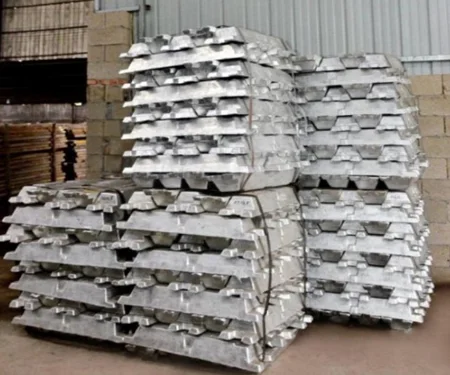
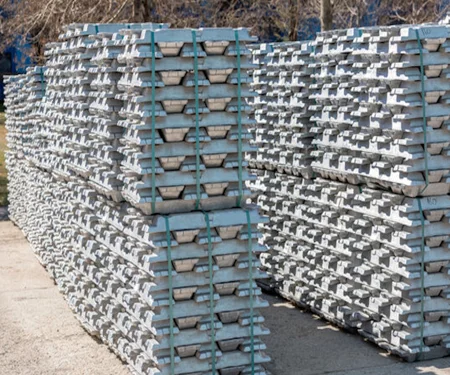
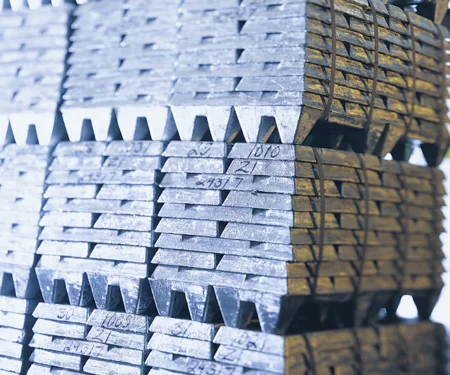
Stock image for referential purposes only
Rio Tinto-operated Bell Bay Aluminium, Australia’s only predominantly renewable-powered, green aluminium smelter, has been left out of the Federal Government’s AUD 2 billion (USD 1.39 billion) Green Aluminium Production Credit scheme. As a result, the facility faces renewed pressure as it races to secure a long-term electricity agreement before the end of the year.
The Tasmanian smelter, which has operated since 1955 and has an annual production capacity of 187,000 tonnes, relies largely on hydroelectric and wind power, accounting for about 25 per cent of Tasmania’s total electricity consumption. Despite its low-carbon energy profile, it does not qualify under the federal incentive programme, prompting criticism from state leaders.
Explore: The most comprehensive and forward-looking industry-focused report — Global Bauxite & Alumina Market Forecast to 2036: Supply–Demand, Trade Flows & Price Report
Tasmania’s Resources and Energy Minister Felix Ellis described the decision as difficult to justify.
“At a time of global smelter crises and when the federal government is putting billions of dollars into smelters of all kinds around Australia, we have the only green aluminium producer in the country,” he stated.
Energy Minister Nick Duigan also strongly discouraged “federal funding arrangements to exclude the nation's principal green aluminium smelter,” stressing that federal backing is essential to secure the smelter’s long-term future.
Bell Bay faces mounting pressure due to power deal deadline
Late last year, Rio Tinto and the Tasmanian Government agreed to a 12-month extension of the smelter’s existing electricity supply arrangement, allowing time for the Federal Government to finalise its Green Aluminium Production Credit scheme. With Bell Bay now excluded from the programme, the operation faces a December deadline to secure a new long-term commercial power agreement with Hydro Tasmania.
The exclusion comes as Bell Bay works against a December deadline to finalise a long-term commercial electricity contract with state-owned Hydro Tasmania. Without a competitive power arrangement and federal support, the operation could face significant uncertainty from early 2027.
Explore primary aluminium suppliers, product listings and trade opportunities on AL Biz
The smelter directly employs more than 550 people, supports hundreds of additional jobs through nearly 300 local businesses, contributes approximately AUD 700 million (USD 486.47 million) annually to TasNetworks’ operating expenses, and exports more than 90 per cent of its aluminium production, primarily to Asian markets.
Covering a large share of Tasmania’s total power grid load, Bell Bay’s future is rendered important not only for manufacturing but also for the state’s broader energy and logistics network.
The Federal Government has argued that Hydro Tasmania should offer more competitive electricity rates to keep the smelter operating. However, the state-owned utility maintains it is bound by commercial obligations to deliver financial returns, leaving negotiations at an impasse as Bell Bay’s long-term future remains uncertain.
The situation also highlights a broader challenge facing low-carbon aluminium production globally: access to renewable electricity alone may not be sufficient to maintain competitiveness without supportive policy frameworks and targeted government incentives.
Unlock key insights from leading companies and experts across the aluminium ecosystem with our e-Magazine - Mine to Market: ALuminium Producers & Manufacturers 2026
ASI certifies Amcor Flexibles Złotów Sp. z o.o. against Performance Standard V3.1
Next articleNALCO seeks waiver of stock exchange penalty over SEBI board composition non-compliance
Grow with
AL Circle