Renewable energy beats fossil fuel: IRENA reports $480b saved in 2025
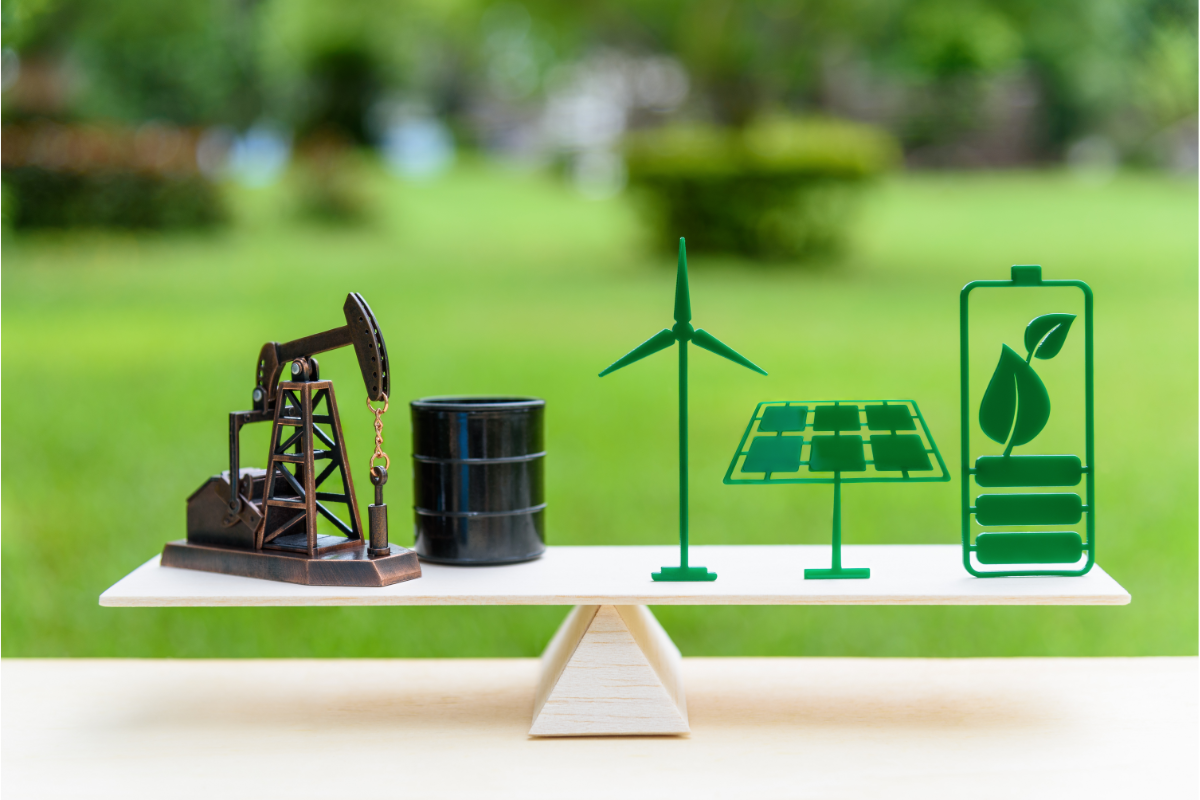
Stock image for referential purposes only
Renewable energy strengthened its economic case in 2025, according to the latest report by the International Renewable Energy Agency (IRENA). Newly commissioned projects in 2025 helped the world save an estimated USD 480 billion in fossil fuel costs.
IRENA’s report, Renewable Power Generation Costs in 2025, shows that utility-scale renewable technologies maintained a decisive cost advantage over conventional power generation. Over 90 per cent of new renewable capacity installed in 2025 produced electricity at a lower cost than the cheapest newly built fossil fuel-based alternative.
Among the major renewable technologies, solar photovoltaic (PV) generation remained stable at USD 44 per megawatt-hour (MWh) during 2025. Onshore wind generation costs declined 4 per cent year-on-year to USD 33/MWh, while offshore wind costs eased 3 per cent to USD 78/MWh.
Discover: The Gulf aluminium market risks, China impact, alumina supply, carbon costs, and logistics disruptions shaping pricing and trade in Gulf Disruption Roadmap
Conventional power generation, however, moved in the opposite direction. Gas-fired electricity became more expensive as shortages of gas turbines pushed up the capital cost of combined-cycle gas plants in the US.
Meanwhile, electricity generated from gas approached USD 100/MWh in markets such as Germany, Italy and Japan. IRENA noted that ongoing instability in the Middle East is expected to keep upward pressure on gas prices through the year.
IRENA Director-General Francesco La Camera noted, “The decline in renewable energy costs is delivering a powerful economic dividend. For countries that still rely heavily on fossil fuels, every additional megawatt of renewables strengthens economic protection against fuel price volatility.”
Renewables reduce exposure to fuel market disruptions
According to the report, renewable energy demonstrated its strategic importance during the temporary disruption of shipping through the Strait of Hormuz in early 2026, when fuel prices rose sharply across several regions.
In Indonesia, Thailand and the Philippines, the renewable energy setup reduced coal and gas purchases by USD 5.7 billion (approx.) during 2025. Based on the higher fuel prices recorded during the March-May 2026 crisis, those avoided imports would have been worth USD 6.5 billion. IRENA estimates that doubling renewable generation across these countries would have lifted avoided fuel costs to nearly USD 12.9 billion.
Across the world's 20 largest renewable electricity markets – collectively accounting for almost four-fifths of global renewable power generation – renewables lowered fossil fuel purchases valued at around USD 377 billion in 2025.
China contributed the lion’s share, saving USD 177 billion. It was succeeded by the US (USD 35 billion), Brazil (USD 32 billion), India (USD 18 billion), Germany (USD 18 billion) and Japan (USD 15 billion).
Cost pressures shift from technology to financing
Although renewable technologies have proved most economical source of electricity, investment in clean energy manufacturing has slowed considerably, falling from a quarterly peak of USD 70 billion in 2023 to roughly USD 35 billion by the end of 2025. Consolidation within China's renewable manufacturing industry, rising commodity prices and changing global trade policies are expected to increase project costs during 2026.
IRENA further points out that national macroeconomic conditions now explain around 56 per cent of variations in financing costs, more than twice the influence of technology costs, making access to affordable capital one of the biggest barriers to renewable deployment, particularly in developing economies.
Unlock key insights from leading companies and experts across the aluminium ecosystem with our e-Magazine - Mine to Market: ALuminium Producers & Manufacturers 2026
To sustain the energy transition, the agency recommends accelerating investment in electricity grids, battery storage and system flexibility while expanding electrification and improving financing mechanisms for emerging markets. End-use industry could also contribute to it by adopting renewable energy to avoid a financial crunch.
Since 2010, the global cost of solar PV has fallen by 89 per cent, concentrated solar power by 72 per cent, onshore wind by 71 per cent, and offshore wind by 63 per cent. Over the next decade, installed costs are projected to decline by a further 40 per cent for solar PV and 20 per cent for onshore wind.
IRENA expects renewable energy to retain its cost advantage through 2035, although the pace of cost reductions is likely to moderate.
China's prebaked anode prices snap two-month rally, fall in June on easing cost support
Next articleIndia strengthens green fuel exports with long-term supply deals to Japan
Grow with
AL Circle