Inventory destocking support fails to halt aluminium price breakdown; short-term weak consolidation pattern persists

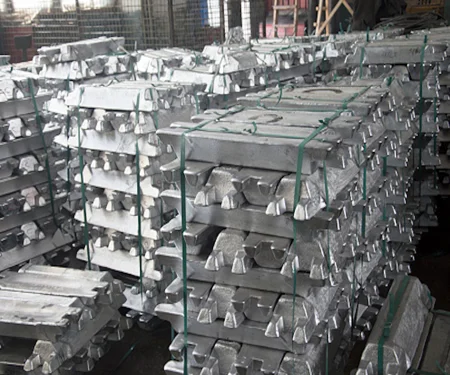
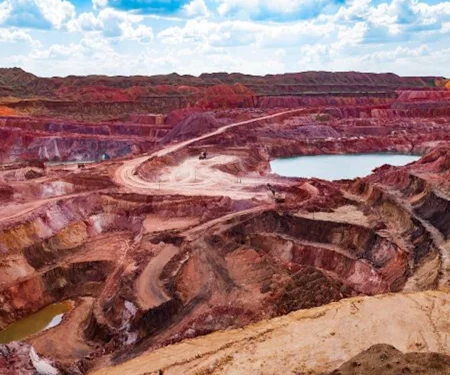
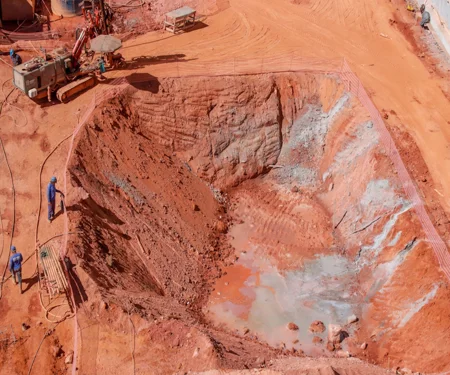
The image used in this article is generated with an AI tool and does not depict any real-time moment
Futures: SHFE aluminium plunged 2.34 per cent to close at RMB 21,055 per tonne. Futures broke below MA5 (21,382) and remained under pressure below MA10 (21,701) and MA30 (22,454), with a clear bearish alignment. The MACD indicator (DIF=-490.22, DEA=-402.60) showed a death cross downward, with the green bar expanding to -175.25, indicating bearish momentum. Trading volume shrank to 176,600 lots, with prices falling on reduced open interest. The suggested core trading range for SHFE aluminium is 20,800-21,700. LME aluminium tumbled 2.81 per cent to close at USD 2,779.5 per tonne. Prices moved far away from MA5 (2,838.0) and MA10 (2,925.5), showing a breakdown pattern. The MACD indicator (DIF=-67.81, DEA=-46.07) saw its gap widen, with the green bar expanding to -43.48. Trading volume surged to 44,600 lots, with evident selling pressure. The suggested core trading range for LME aluminium is 2,740-2,800.
Macro front: The US is reportedly preparing to raise tariffs on dozens of countries and regions, including Japan, South Korea, and the 27 EU member states, with an announcement expected as early as this week. The Trump administration believes these countries have harmed the interests of US enterprises by supporting their domestic industrial production. The new tariffs will cover most goods these countries and regions export to the US, but steel, aluminium, and automobiles are largely unlikely to be included in this round of tariff hikes.
Fundamentals: Supply side, China's weekly aluminium production reached 877,000 tonnes, basically stable, with replacement projects releasing output sporadically and supply rigidity persisting; the proportion of liquid aluminium edged up 0.02 percentage points M-o-M. Overseas, the surplus expectations from distant new capacity ex-China and Middle East production resumptions remained unchanged, with Indonesian projects continuing to ramp up production. Additionally, affected by decades-low inventory combined with concentrated long positioning, LME aluminium is facing severe short squeezing. The LME has announced temporary new rules for aluminium (effective Wednesday), lowering the Tom-next lending rule threshold from 50 per cent to 30 per cent, and implementing tiered reductions in lending rates for large positions held over 5 and 10 days, aimed at forcing bulls to roll near-term positions backward to ease squeeze pressure. This is expected to suppress the high backwardation in overseas front-month contracts and prompt some long funds to take profits. In China, environmental protection-driven production restrictions in Henan, coupled with the gradual arrival of the demand off-season, are making demand-side pressure increasingly visible. Inventory-wise, according to SMM statistics, as of this Monday, China's aluminium ingot social inventory destocked by 15,000 tonnes from last Thursday and by 36,000 tonnes from last Monday.
Primary aluminium market: East China market: SHFE aluminium prices edged down yesterday, but with the Shanghai-Guangdong price spread remaining firm, cross-regional cargo transfers were notable. Supply in east China was very tight, and warehouse withdrawal data was favorable, with suppliers continuing to quote higher premiums. During the day, SMM A00 aluminium ingot transactions were at premiums of RMB 420-460 per tonne against the SHFE aluminium 2612 contract. Central China market: SHFE aluminium front-month contract edged down yesterday, and with the Henan-Guangdong price spread remaining wide, local suppliers in central China diverted inventory to south China for sale, resulting in tight local supply. Market buying sentiment further intensified, keeping quotations at elevated levels. Ultimately, actual transaction prices in central China centered around premiums of RMB 360-390 per tonne against the SHFE aluminium December contract. South China market: Aluminium prices dipped slightly and stabilised yesterday, with the spot market shifting from strong to weak. At the start of trading, suppliers generally held prices firm and raised quotations on expectations of rigid circulation for cargoes with invoices dated this month, and just-in-time procurement demand for current-month invoices did exist, with moderate transactions under matched supply and demand. However, as the reverse price spread between futures contracts continued to widen sharply, and the basis for next-month and far-month contracts rose rather than fell, coupled with the gradual arrival of cross-regional transferred cargoes and rising inventory, selling pressure intensified significantly near month-end. Suppliers quickly shifted to aggressive price cuts to secure cash, with mainstream quotations continuously lowered and even lower-priced cargoes not uncommon in actual deals. Once just-in-time procurement needs were met, buyers turned cautious and hesitant, with demand clearly lacking follow-through. Circulation was oversupplied, and transactions were poor. Spot transaction prices concentrated at premiums of RMB 915-955 per tonne against the SHFE aluminium 2612 contract.
Aluminium scrap: Yesterday, SMM A00 aluminium was quoted at RMB 22,630 per tonne, up RMB 30 per tonne MoM from the previous trading day. The aluminium scrap market was broadly stable, edging up slightly. On the price difference between A00 aluminium and aluminium scrap, the sharp decline in primary aluminium combined with the resilience of aluminium scrap further compressed the spread. The spread widened as aluminium prices recovered, but remained at historically extremely low levels. Meanwhile, the cost advantages of using scrap for wrought alloy enterprises have basically disappeared. Supply side, the pattern of reverse invoicing and tightening tax supervision remained unchanged, with compliant cargoes still tight and invoice holders showing strong willingness to hold prices firm. After the continuous decline in primary aluminium, aluminium scrap market transactions were sluggish, and pessimistic aluminium price expectations also exerted pressure on aluminium scrap supply. Demand side, the off-season combined with environmental protection-related controls made downward pressure fully visible. Die-casting plants mainly made just-in-time procurement, remaining cautious about large-volume restocking. Year-end auto parts die-casting orders were relatively full, serving as the main support for aluminium tense scrap demand. In the short term, the aluminium scrap market is expected to continue its weak pattern of following the downtrend. Going forward, key focuses include whether SHFE aluminium's decline persists, whether aluminium ingot social inventory shifts from destocking to accumulation, marginal changes in tax audits and reverse invoicing supervision, the actual realisation of primary aluminium replacing aluminium scrap as the price difference between A00 aluminium and aluminium scrap approaches inversion, and the impact of the December FOMC meeting and LME squeeze risks on macro sentiment.
Secondary aluminium alloy: Yesterday, mainstream quotations for secondary aluminium alloy ADC12 shifted slightly lower. The notable weakness in cast aluminium alloy futures was the main drag, with some suppliers cutting prices to facilitate transactions. However, aluminium scrap raw material costs remained resilient, and enterprises still had willingness to hold prices firm, with most quotations staying unchanged. Demand side, downstream die-casting order growth was limited, with purchases mainly just-in-time and low acceptance of high prices. Transaction volumes were insufficient, and spot lacked upward drivers. In the short term, the industry remains in a tug-of-war between cost support and weak demand, with ADC12 prices likely to continue moving sideways and consolidate on a subdued note. Going forward, attention should be paid to the recovery of futures sentiment and changes in aluminium scrap prices in guiding the pace of price adjustments.
Comprehensive outlook: Yesterday, futures fell on shrinking volume and reduced open interest, breaking below MA5 and remaining under pressure from moving averages, with evident breakdown selling pressure. In the short term, bearish momentum dominates. Hawkish rate hike expectations on the macro front and profit-taking from the LME squeeze resonated, with SHFE and LME both breaking down in tandem. Aluminium prices face dominant bearish momentum in the short term, but low global inventory and accelerating destocking provide substantial constraints on the downside.
Note: This article has been shared by SMM and has been published by AL Circle with its original information without any modifications or edits to the core subject/data.
LME aluminium cash bid falls $81.50 as Asian reference price drops 3.1%
Next articleLME tightens aluminium trading rules as dominant stockholders face new limits
Grow with
AL Circle













_md.webp)
_md.webp)