Domestic and overseas aluminium prices rebound from lows; amid mixed bullish and bearish factors, aluminium prices maintain a fluctuating trend
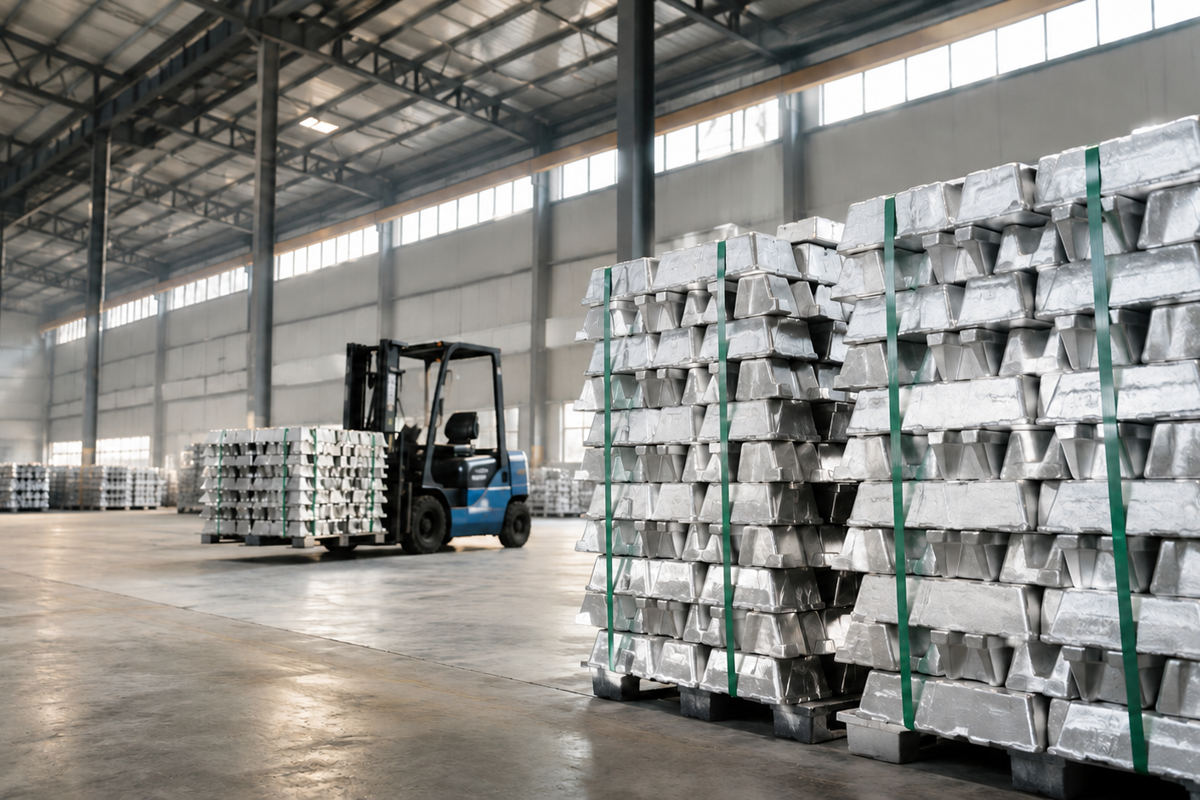
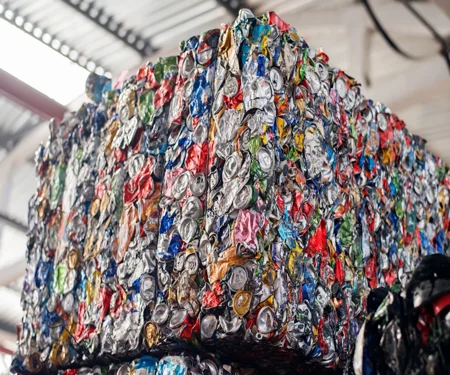
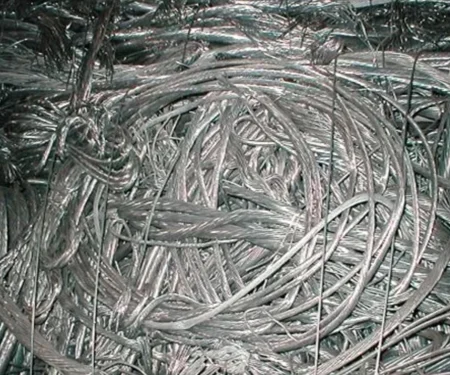
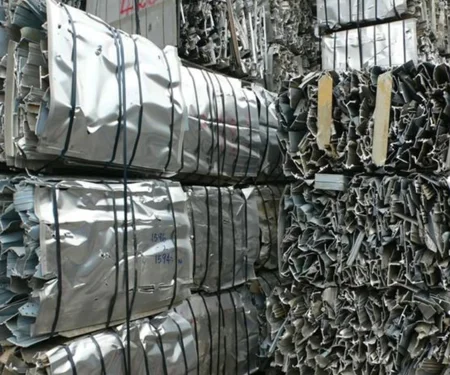
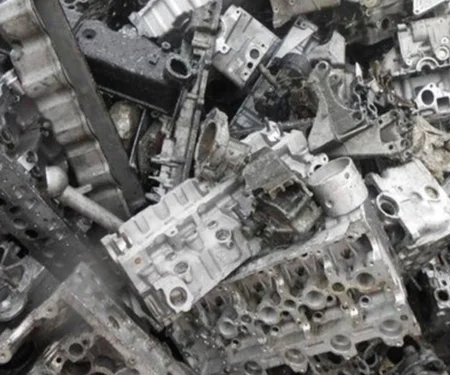
The image used in this article is generated with an AI tool and does not depict any real-time moment
Futures: The most-traded SHFE aluminium 2611 contract closed at RMB 23,605 per tonne, up RMB 225 or 0.96 per cent from yesterday's settlement price. It opened at RMB 23,490.00 per tonne during the day and fluctuated between 23,490 and RMB 23,675 per tonne. Prices traded below the MA5 (23,662.00), MA10 (23,912.50), MA30 (24,069.50), and MA60 (23,822.92), rebounding after a short-term decline. A rebound-from-lows consolidation structure is emerging, with the short-term moving averages above forming key resistance. The MACD DIF (-100.9745) is below the DEA (1.1214), and the MACD histogram stands at -204.1917, indicating bears still hold strong momentum. The suggested core trading range for SHFE aluminium is RMB 23,300-24,000 per tonne. The LME aluminium 3M contract settled at USD 3,062.50 per tonne, up 0.18 per cent. It opened at USD 3,060.00 per tonne during the day and fluctuated between USD 3,058.50 and USD 3,065.00 per tonne. Prices traded below the MA5 (3,086.00), MA10 (3,115.20), MA30 (3,226.30), and MA60 (3,225.61), rebounding slightly after a short-term decline. A consolidation-at-lows structure is emerging, with the moving averages above forming clear resistance. The MACD DIF (-51.9102) is below the DEA (-35.0124), and the MACD histogram is -33.7957, indicating bears still hold the advantage. The suggested core trading range for LME aluminium is USD 2,900-3,150 per tonne.
Macro front: US President Trump said on social media that the Russia-Ukraine conflict has entered an "energy ceasefire" state, and both sides have agreed. Ukrainian President Zelensky said Ukraine supports practical and reliable ways to achieve a ceasefire and end the war, and Ukraine is willing not to strike Russian energy facilities and expects Russia to take the same action. US President Trump has announced the energy ceasefire arrangement, which Ukraine welcomes and hopes will be truly implemented. In August this year, China's Enterprise Credit Index stood at 161.32, up 2.45 points from July. Compared with July, the manufacturing, transportation, warehousing and postal, and wholesale and retail sectors saw faster index growth, with manufacturing reaching its highest ranking so far this year.
Fundamentals: According to SMM statistics, overseas aluminium production fell 2.4 per cent Y-o-Y in September 2026, mainly due to lower Y-o-Y load at aluminium smelters in the Middle East. Overseas daily average production rebounded 2.2 per cent M-o-M, as production resumptions in the Middle East and production ramp-ups at new projects in Indonesia, Vietnam, and India continued to drive daily average production higher. Thanks to accelerated production resumptions at Middle Eastern aluminium smelters, total operating capacity in the Middle East has recovered to around 4.5-5 million tonne, and total overseas operating capacity has recovered to around 29.65 million tonne. Looking ahead to October 2026, production resumptions in the Middle East are expected to continue advancing; new projects in Indonesia and India that started production earlier are expected to continue ramping up, but some projects originally planned to come online in Q4 have experienced varying degrees of delay, and production growth is expected to gradually slow down. As of this Monday, China's aluminium ingot social inventory destocked by 35,000 tonne compared to last Thursday, while building up 13,000 tonne compared to before the holiday, with aluminium destocking resuming.
Primary aluminium market: In east China, SHFE aluminium futures fell last Friday, spot premiums against SHFE aluminium held firm, and warehouse withdrawal sentiment was good. The nearby SHFE aluminium backwardation structure has widened, and spot prices against the SHFE aluminium 2611 contract will also be relatively high. Intraday SMM A00 aluminium ingot spot transactions closed at premiums of RMB 40-60 per tonne. On the second trading day after the holiday, combined with the weekend stockpiling cycle, spot trading sentiment in central China recovered somewhat from the previous day, and downstream procurement sentiment rebounded slightly, but constrained by high in-factory inventory and weak end-user order demand, overall levels remained moderate. Ultimately, actual transaction prices in central China were concentrated in a range of discounts of RMB 20-40 per tonne against the SHFE aluminium 2610 contract. In south China, aluminium prices continued to fall on October 9, while the spot market held firm. Absolute prices have fallen to relatively low levels, and with inventory buildup pressure still relatively small, the market regained confidence in the outlook and held prices firm while slowing sales, effectively offsetting the impact of partial discount realisation under the widening backwardation structure, with spot circulation gradually tightening. Low prices stimulated replenishment procurement, improving base demand, and market entry sentiment also began to repair, with purchases steadily increasing. Both demand sides responded in the same direction, and transactions improved. Spot transaction prices were concentrated at premiums of RMB 225-265 per tonne against the SHFE aluminium 2610 contract.
Aluminium scrap: Last Friday, SMM A00 aluminium closed at RMB 23,650 per tonne, down RMB 110 per tonne W-o-W from the previous trading day. Aluminium scrap prices showed regional divergence, with Jiangxi, Foshan, Hunan, Anhui, and Hubei yet to adjust prices today. In terms of price spreads, the price difference between A00 aluminium and mixed aluminium extrusion scrap free of paint in Foshan was about RMB 2,483 per tonne, and the price difference between A00 aluminium and shredded aluminium tense scrap was about RMB 1,206 per tonne. After the National Day holiday, the aluminium scrap market continued to hold up well. On the supply side, aluminium scrap yards have all resumed operations after the brief holiday, and material release has increased somewhat, but recycling policy constraints on liquidity remain, and the tight invoice supply situation is unlikely to ease in the short term, with tight supply continuing to support prices. On the demand side, as the traditional peak consumption season for cast aluminium alloy gradually kicks off, enterprises are accelerating order-taking and procurement pace, and aluminium tense scrap prices are expected to gain stronger support under the dual-tight supply-demand situation; wrought aluminium alloy demand is moderate, in-factory inventory is relatively ample, but with aluminium scrap supply expected to decline under tax audit restrictions, the price uptrend channel will also gradually open up. However, at present, the release of peak-season demand remains relatively mild, and the actual fulfillment of post-holiday orders still needs close tracking.
Secondary aluminium alloy: Last Friday, the ADC12 market overall continued to operate steadily, with a relatively consistent willingness to hold prices firm. The decline in futures and aluminium prices narrowed somewhat, and market sentiment eased marginally, but the core support for current price performance still comes from the cost side. Against the backdrop of stricter implementation of tax invoice policies, compliant procurement of aluminium scrap is more difficult, and raw material costs remain at a relatively high level, limiting enterprises' room to cut prices. Meanwhile, the recovery of post-holiday market demand still needs further verification. If end-user orders and restocking demand are released less than expected, upward momentum for spot prices will also be constrained. Overall, ADC12 prices are expected to move sideways in the short term, and close attention should be paid to changes in aluminium scrap supply and procurement costs, futures trends, and actual downstream order-taking.
Comprehensive outlook: On the macro side, high US Treasury yields and a strong US dollar continue to weigh on valuations in the nonferrous metals sector. On the industry side, the actual improvement in China's traditional peak-season demand has not fully met previous expectations, and downstream procurement has become more cautious in a high-price environment, weakening price support. On Monday, aluminium ingot inventories destocked by 35,000 tonne, providing some price support. Overall, short-term aluminium prices are intertwined with bullish and bearish factors, and are expected to maintain a consolidating adjustment trend in the near term.
Note: This article has been shared by SMM and has been published by AL Circle with its original information without any modifications or edits to the core subject/data.
LME aluminium cash price falls to $3,055/t on October 9 as stocks remain at 238,875t
Next articleDak Nong Aluminum advances operations with safety upgrades and digital training for 146 employees
Grow with
AL Circle