Possible Guinea export cap adds pressure to bauxite shipping market

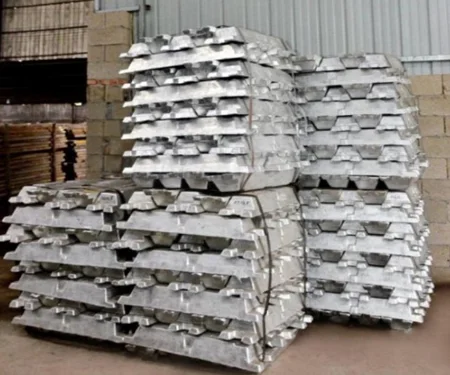
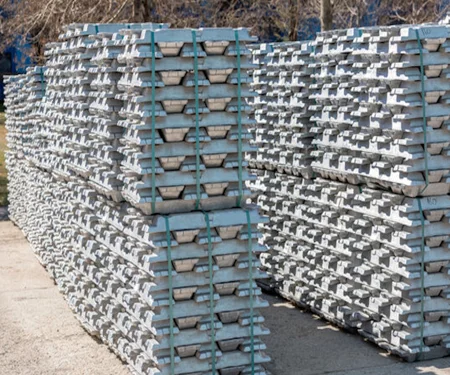
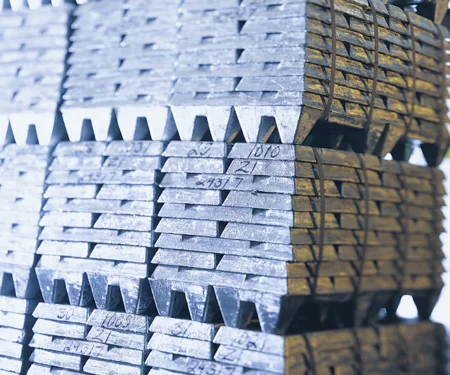
Stock image for referential purposes only
The global bauxite trade, which has been one of the strongest drivers of dry bulk shipping demand in recent years, is now facing pressure from both supply restrictions and geopolitical disruption.
Guinea, the world’s biggest exporter of seaborne bauxite, is reportedly considering a cap on exports for 2026 after rapid growth over the past few years pushed volumes to around 178 million tonnes in 2025. If introduced, the proposed limit could reduce exports to roughly 150 million tonnes, significantly below last year’s levels.
Analysts say such a move could have major consequences for the capesize market because Guinea-to-China bauxite shipments keep vessels occupied for long periods. According to analysis from Veson Nautical, a reduction to 150 million tonnes could free up around 46 capesize vessels, potentially putting downward pressure on freight rates later in 2026.
Mikkel Nordberg said the market is already dealing with oversupply conditions, while broader pressure is also coming from Chinese aluminium production limits and excess global bauxite supply.
For the global aluminium value-chain 2026 outlook, book our exclusive report “Global ALuminium Industry Outlook 2026"
China’s aluminium output has expanded sharply over the past decade and has now reached the country’s official production ceiling of 44.2 million tonnes, raising questions over future demand growth for imported bauxite.
At the same time, disruption linked to the Strait of Hormuz has added another layer of strain to aluminium supply chains in the Middle East.
According to shipping analytics firm Kpler, Gulf aluminium producers including Alba, Emirates Global Aluminium and Qatalum have been relying on temporary transshipment arrangements after direct access to raw material cargoes became more difficult.
Cargoes are reportedly being rerouted through India before being moved onward in smaller vessels and then transported overland to destinations such as Fujairah.
Don't miss out- Buyers are looking for your products on our B2B platform
While the workaround has helped keep smelters operating, analysts say the system is costly and vulnerable, especially with India’s monsoon season now creating additional handling risks for both bauxite and alumina cargoes.
Shipbroker Arrow has cautioned against assuming Guinea will adopt the strictest export limit being discussed. The company noted that exports have already crossed 86 million tonnes during the early part of 2026, making a full reduction to 150 million tonnes difficult unless shipments slow sharply later in the year.
Instead, Arrow sees a range closer to 170–190 million tonnes as more realistic if restrictions are eventually introduced.
Bauxite demand and shipping dynamics have become an increasingly important topic within the dry bulk market, with the issue receiving growing attention at industry events such as Geneva Dry.
Must read: Key industry individuals share their thoughts on the trending topics

Odisha Mining Corporation (OMC) eyes doubling Kodingamali Bauxite Mine capacity to 6 MTPA
Next articleNew phase unlocked: Cameroon’s Minim Martap bauxite project is set to get its first locomotives from China
Grow with
AL Circle