Philippine DTI proposes mandatory aluminium certification
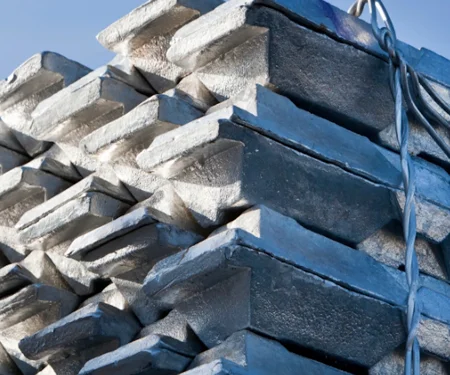
Stock image for referential purposes only
The Philippines’ Department of Trade and Industry (DTI) has proposed mandatory certification for selected wrought aluminium and aluminium alloy products manufactured through extrusion or cold-drawn processes.
The draft department administrative order would require both local and foreign manufacturers to obtain a Philippine Standard (PS) quality and safety certification mark licence before selling or distributing covered products in the country. The proposal aims to ensure compliance with Philippine National Standards, strengthen product safety and support fair competition.
Factory audits required
The PS licence would be issued only after a satisfactory factory, plant or site audit and product-conformance testing. Licences would be specific to the manufacturing facility and, where applicable, the local office or agent.
Each licence would remain valid for three years, subject to surveillance audits to confirm continued compliance.
The Bureau of Philippine Standards (BPS) already operates mandatory certification schemes for locally manufactured and imported products. Covered goods cannot be distributed in the Philippine market without the required PS mark or Import Commodity Clearance sticker.
Join the webinar by Alberto Monje Gama to learn about recycled aluminium, CBAM and trust
Products outside the scope
The proposed rules would exclude prefabricated and pre-assembled products, including aluminium foil, cookware, pressure vessels and fittings such as connectors, couplings, elbows and brackets.
However, aluminium components covered by the draft order and incorporated into these products would still need to comply with the certification requirements.
Bureau of Philippine Standards Assistant Director Margarita Magsaysay said that expanding industrial demand had prompted the proposal. The framework is intended to improve confidence in aluminium products used in construction, manufacturing and other industrial applications while ensuring that domestic and overseas suppliers meet the same requirements.
To explore trade opportunities of secondary aluminium, visit AL Biz
Rio Tinto ecstatic as Tomago smelter gets its power secured through 2038
Next articleNorway’s low-carbon aluminium gets greener with Hydro and Alcoa’s 6000-series
Grow with
AL Circle