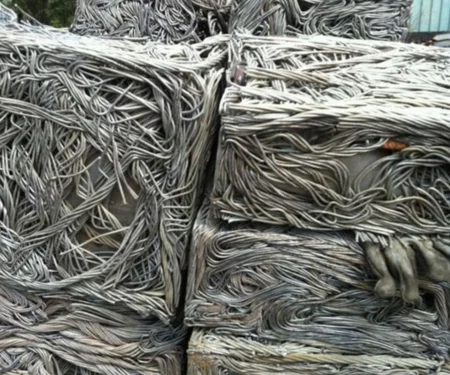
Oversupply of aluminium rod persists, processing fees remain stable at low levels, watch the pace of demand recovery
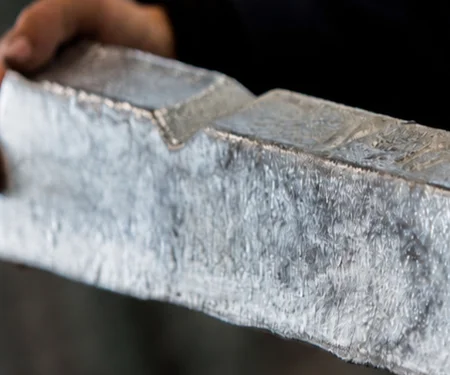
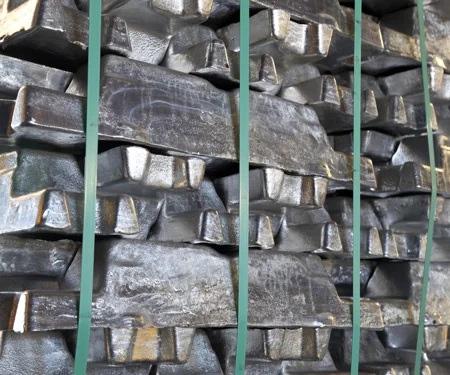
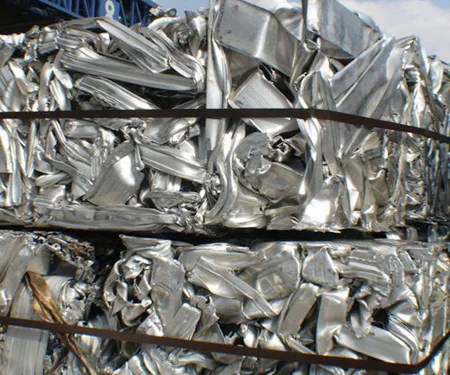
The image used in this article is generated with an AI tool and does not depict any real-time moment
According to SMM statistics, as of August 28, days of inventories at domestic aluminium rod plants stood at 8.10 days, down 0.46 days W-o-W from 8.56 days on August 21. The inventory ratio fell from 110.10 per cent to 105.14 per cent, down 4.96 percentage points, though the absolute inventory level remained in the high range for the year.
Over the same period, the combined operating rate of leading aluminium rod producers came in at 72.96 per cent, flat W-o-W, consolidating after four consecutive weeks of declines and staying at a relatively low level.
The W-o-W decline in inventories was mainly driven by a recovery in market buying sentiment, as downstream restocking helped draw down in-factory inventories. Meanwhile, persistently low operating rates indicate that the oversupply in the aluminium rod market has not fundamentally changed, with weak order backlogs weighing on producers' willingness to schedule production.
With the absolute inventory level still high but downstream purchase willingness improving marginally, inventories are expected to continue destocking at a mild pace. Operating rates, constrained by the supply-demand imbalance, are likely to consolidate at lows in the near term. Attention should be paid to the boost to production schedules from exports and State Grid orders.
Aluminium prices drifted higher these weeks, rising from RMB 23,740 per tonne last Tuesday (August 25) to RMB 24,110 per tonne this Tuesday (September 1), a cumulative gain of about RMB 370 per tonne. The rise in aluminium prices exerted some pressure on processing fees. As of September 1, aluminium rod processing fees across regions remained broadly stable compared with last Tuesday (August 25): Shandong at RMB 200 per tonne (flat), Inner Mongolia at RMB 150 per tonne (flat), Henan at RMB 300 per tonne (flat), Jiangsu at RMB 400 per tonne (flat), Hebei at RMB 300 per tonne (flat), and Guangdong at RMB 400 per tonne (flat).
Processing fees in all regions remained at low levels for the year, reflecting the ongoing oversupply in the aluminium rod market and resistance to upward movement in processing fees. However, buying sentiment improved slightly, and downstream restocking demand was released in phases. That said, processing fees remained below processing costs, which provided some support.
Given that absolute inventory levels are still high and the supply-demand imbalance is unlikely to be fundamentally reversed in the short term, but with demand gradually recovering, downside room for processing fees is expected to be limited. The centre of processing fees is likely to gradually move higher, while regional price spreads may hold at current levels.
The operating rate of China's aluminium wire and cable industry stood at 63.0 per cent this week, up 0.6 percentage points W-o-W, with the weekly rebound mainly driven by a recovery in production pace. Earlier, weather conditions in Jiangsu caused some disruption to production. With timely replacement of relevant auxiliary materials, the impact gradually faded, and previously delayed production schedules resumed, providing direct support to operating rates.
Order side, the total winning bid amount for wire products in China Southern Power Grid's first batch of framework tenders in 2026 reached RMB 1.645 billion, providing visible demand support for H2 operating rates. The framework agreements are expected to be signed in mid-to-late September, and after the first batch of orders is gradually issued in Q4, the boost will be progressively realized.
On the production schedule front, enterprises reported that power grid projects will restart in late September, and manufacturers have already been asked to stockpile in advance to facilitate subsequent cargo pick-up. Operating rates are expected to improve in September and return to peak-season levels in October.
On the export side, the export window for aluminium stranded wire remains in a dynamic opening and closing state, with limited new order intake and mild boosting effects. Overall, with short-term disruptions cleared and tender order expectations materializing, the industry operating rate is expected to continue its mild recovery. Going forward, attention should be paid to the cargo pick-up pace of China Southern Power Grid's framework orders and the execution of State Grid projects.
Note: This article has been issued by SMM and has been published by AL Circle with its original information without any modifications or edits to the core subject/data.
Germany aluminium extrusion imports from Italy fall 41.83% in 4 years, with automotive & construction playing a major role - know why
Next articleCanada-US trade talks: Carney seeks deal as aluminium and auto tariff pressure mounts
Grow with
AL Circle