Middle East conflict revives Pentagon concerns over US high-purity aluminium supply

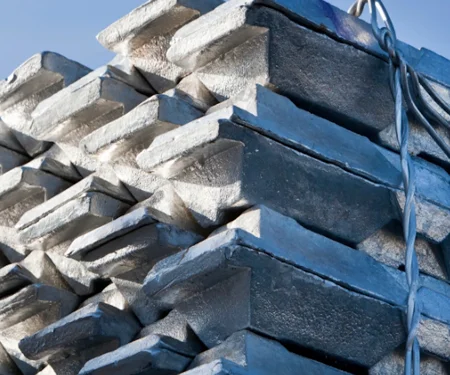
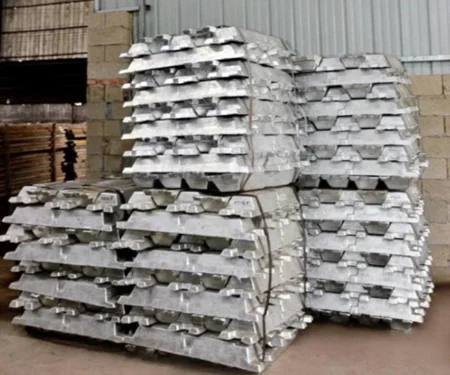
Stock image for referential purposes only
A Pentagon-led simulation has brought fresh attention to the US’ dependence on imported high-purity aluminium, a critical raw material used in military aircraft, armoured vehicles and other defence applications. Conducted months before recent disruptions spurred by the Middle East conflict, the exercise had the US aluminium supply chain in focus.
It examined how the US aluminium supply chain would respond during a major geopolitical conflict and identified high-purity aluminium as one of the most exposed segments of the country’s defence industrial base. The findings have gained renewed relevance following the Iranian missile attacks on the aluminium facilities of Emirates Global Aluminium (EGA) and Aluminium Bahrain (Alba) in the Middle East or Gulf region on March 28, 2026.
Although repairs are running ahead of schedule and production has since resumed at some plants, supply routes and output recovery remain under close watch, highlighting the importance of resilient aluminium supply chains for strategic industries.
Explore- Most comprehensive and forward-looking industry-focused report — Global Bauxite & Alumina Market Forecast to 2036: Supply–Demand, Trade Flows & Price Outlook
Heavy reliance on imported high-purity aluminium
According to the exercise report, the simulation concluded that the US remains heavily reliant on overseas suppliers for high-purity aluminium. While China dominates global primary aluminium production, the United Arab Emirates (UAE) has emerged as the principal supplier of the ultra-refined grade imported into the US, accounting for an estimated 90 per cent of imports used for defence-related applications.
High-purity aluminium contains exceptionally low levels of iron and silicon, making it suitable for manufacturing specialised alloys used in fighter aircraft and other defence equipment.
The exercise also highlighted a structural challenge for the US market. Domestic large-scale production of high-purity aluminium effectively ended in 2022 after the country’s last major producer ceased operations due to rising energy costs. As defence demand increases globally, restoring domestic capacity by stockpiling high-purity aluminium and associated products has become a growing topic of discussion among policymakers and industry participants.
Bill Greenwalt, Senior Fellow at the American Enterprise Institute and former Deputy Undersecretary of Defense for Industrial Policy, described the situation as “a huge wake-up call for the department to be looking at supply chains in all areas around the world to ensure that they’re not especially vulnerable to attack or sabotage.”
Industry sources say that the market is not facing an outright shortage, but primary aluminium supplies remain tight. Much of the material used by US defence manufacturers seems to be sourced from EGA, before being processed by companies such as Kaiser Aluminum, Constellium and Arconic.
Commenting on the market, Uday Patel, Senior Research Manager for global aluminium markets at Wood Mackenzie, said, “We’re in a situation where there is no solution. Much will depend on how much stocks are in the pipeline.”
Explore primary aluminium suppliers, product listings and trade opportunities on the AL Biz platform.
Policy recommendations focus on rebuilding domestic capacity
The war game, held over two days in July 2025 and overseen by the Institute for Defense Analyses, asked participants to assess how the US aluminium industry could respond if imports were disrupted during a large-scale conflict while domestic production also faced unexpected outages.
Participants recommended building strategic reserves of high-purity aluminium, expanding domestic production, investing in additional processing capacity and improving access to reliable, affordable power, an essential requirement for aluminium production.
The exercise forms part of wider efforts by the US government to identify vulnerabilities in critical mineral and manufacturing supply chains. Alongside supply diversification, policymakers are also examining ways to strengthen visibility across lower-tier suppliers that support the defence sector.
Charles Johnson, President and CEO of the Aluminum Association, said the findings reinforce the close relationship between industrial capability and national security, stating that “America’s military readiness is inseparable from America’s industrial readiness.” The association continues to advocate measures aimed at strengthening domestic aluminium production and processing.
Recent US policy initiatives like higher aluminium tariffs and incentives for new smelting capacity echo those objectives. However, industry observers note that establishing new high-purity aluminium production will require substantial investment, long development timelines and access to competitive energy supplies.
As geopolitical risks continue to influence global metals markets, the Pentagon exercise has highlighted the strategic importance of securing reliable sources of high-purity aluminium while gradually rebuilding domestic manufacturing capability to support long-term defence requirements.
Unlock key insights from leading companies and experts across the aluminium ecosystem with our e-Magazine - Mine to Market: ALuminium Producers & Manufacturers 2026
LME aluminium cash price eases to $3,228.5/t as stocks decline to 260,900t
Next articleCBSA increases scrutiny of aluminium surtax exemptions under updated compliance priorities
Grow with
AL Circle