CBSA increases scrutiny of aluminium surtax exemptions under updated compliance priorities
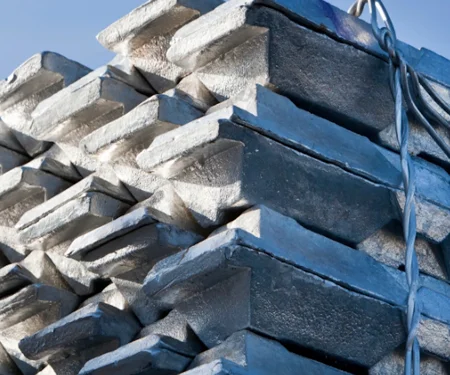
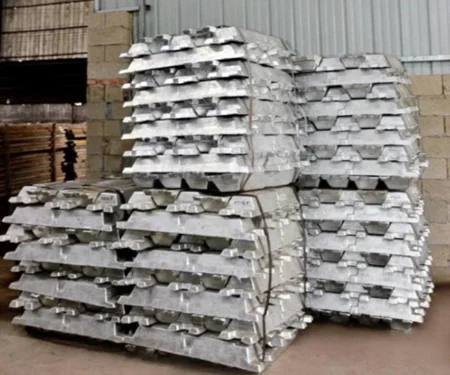
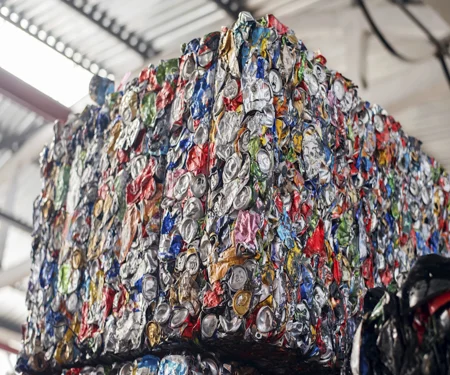
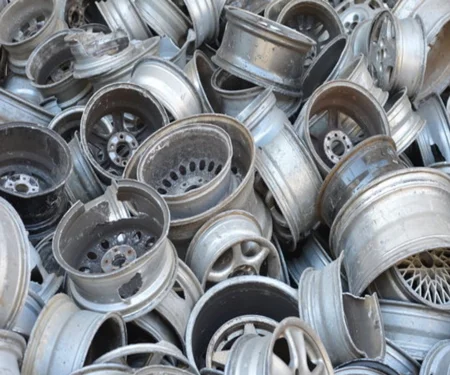
Stock image for referential purposes only
The Canada Border Services Agency (CBSA) has expanded its trade compliance priorities to include closer scrutiny of aluminium imports and tariff classification claims, signalling increased verification of importers seeking relief under Canada's steel and aluminium surtax framework.
The updated compliance priorities, released in July 2026, introduce new verification measures covering steel derivative goods, Chapter 99 tariff classifications and trade agreement compliance, while retaining several existing customs and origin verification programmes.
CBSA increases scrutiny of aluminium surtax exemptions
Among the new priorities is enhanced verification of importers claiming exemptions from Canada's steel and aluminium surtaxes by classifying goods under Chapter 99 of the Customs Tariff.
The CBSA said it will review whether importers have correctly applied Chapter 99 tariff provisions, particularly where the classification provides relief from applicable surtaxes. The agency noted that Chapter 99 provisions apply alongside standard tariff classifications and may offer preferential treatment for qualifying goods under specific conditions.
Since April 2026, the CBSA has intensified checks on claims relating to the Steel Goods Aluminum Goods Surtax Order, which imposes a 25 per cent surtax on certain steel and aluminium products while allowing exemptions for qualifying Chapter 99 classifications.
The agency also continues to prioritise enforcement of the United States Surtax Order (Steel and Aluminum 2025), which applies a 25 per cent surtax on specified steel, aluminium and certain other goods originating from the United States.
To know the production, demand and consumption forecasts on bauxite and alumina, explore the report "Global Bauxite & Alumina Market Forecast to 2036: Supply–Demand, Trade Flows & Price Outlook"
End-use documentation remains a key compliance requirement
The CBSA highlighted that eligibility for many Chapter 99 tariff provisions depends on the intended end use of imported products rather than their physical characteristics.
As a result, importers may be required to provide supporting documentation demonstrating that imported goods were used for qualifying purposes during compliance reviews or audits.
The agency noted that distributors, wholesalers and retailers may face additional challenges where customer end-use records or supporting certificates have not been retained.
Importers seeking relief under applicable surtax orders may also apply for a Remission Order through Canada's Department of Finance, which, in certain circumstances, can be granted retroactively for duties already paid.
Trade agreement compliance remains under review
Alongside its focus on aluminium and steel imports, the CBSA confirmed that several existing compliance priorities remain in place.
These include origin verification under the Canada-European Union Comprehensive Economic and Trade Agreement (CETA), the Canada-United Kingdom Trade Continuity Agreement, and the Canada-United States-Mexico Agreement (CUSMA), particularly for the automotive sector.
The agency will also continue reviewing compliance relating to GST exemptions, excise duties, supply-managed goods imported under the Duties Relief Program, precious metals, and products covered by the Comprehensive and Progressive Agreement for Trans-Pacific Partnership (CPTPP).
The CBSA noted that additional compliance priorities may be introduced throughout the year as part of its ongoing customs enforcement programme.
Explore primary aluminium suppliers, product listings and trade opportunities on AL Biz
Middle East conflict revives Pentagon concerns over US high-purity aluminium supply
Next articleLME aluminium cash prices recover to $3,260/t while stocks continue downward
Grow with
AL Circle