US bond fluctuations pressure nonferrous metals valuations pre-holiday continued destocking supports short-term aluminium price consolidation
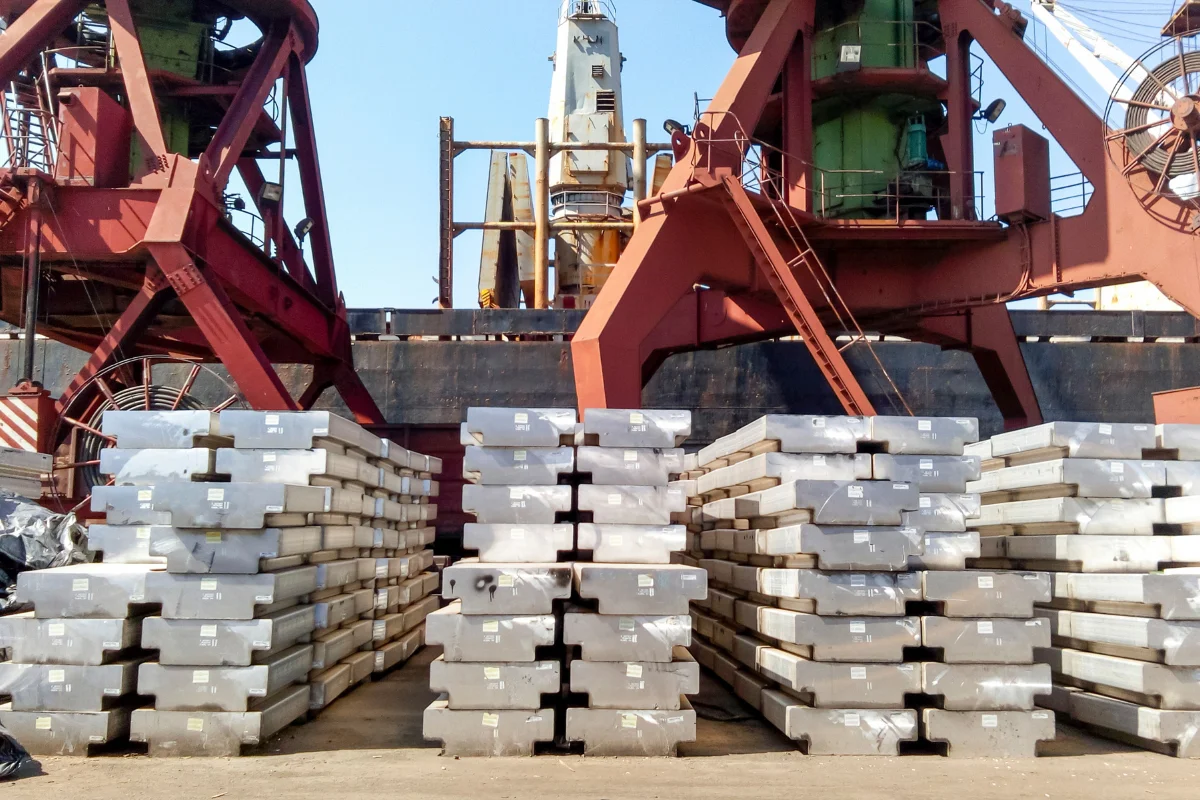
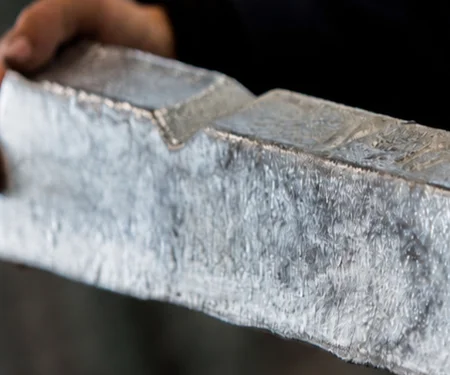
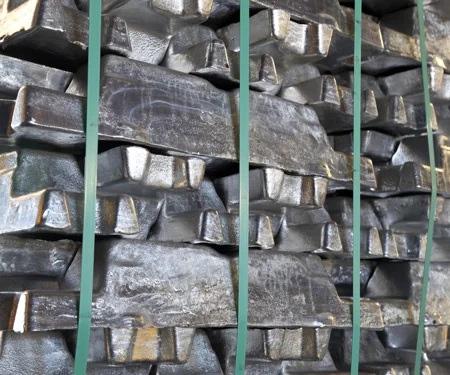
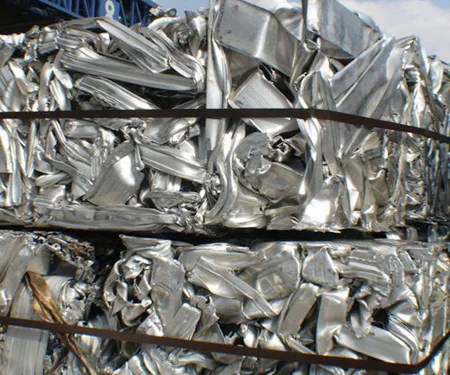
Stock image for referential purposes only
The most-traded SHFE aluminium contract did not trade during the night session of September 24 and the daytime session of September 25. On September 24, the daytime session opened at RMB 24,230 per tonne, reached a high of RMB 24,265 per tonne and a low of RMB 24,175 per tonne, and closed at RMB 24,200 per tonne, down RMB 30 per tonne or 0.12 per cent from the previous close. Futures consolidated at highs before pulling back, with prices falling below the 5-day moving average while remaining above the 20/40/60-period moving averages.
Medium and long-term moving averages maintained an upward pattern. Trading volume during the session was 98,900 lots, and open interest stood at 281,000 lots, down 8,300 lots, driven mainly by bulls closing positions. On the technical front, a death cross formed on the 4-hour MACD, with DIFF crossing below DEA and green bars continuing to expand, indicating some release of short-term bearish momentum.
On September 25, LME aluminium 3M opened at USD 3,250 per tonne, reached a high of USD 3,280 per tonne and a low of USD 3,245.5 per tonne, and closed at USD 3,277.5 per tonne, up USD 26 per tonne or 0.80 per cent from the previous close. Futures rebounded from lows, with moving averages across various periods intertwined and prices consolidating within the moving average range.
Open interest for the day stood at 577,000 lots, down 644 lots, driven mainly by bears reducing positions. On the technical front, the daily MACD maintained a death cross, with DIFF below DEA and green bars narrowing slightly, indicating that bearish momentum continued to weaken marginally.
University of Michigan survey data showed that US consumers’ assessments of their current and future one-year personal financial conditions both declined by about 10 per cent, with concerns over high prices continuing to intensify. A gauge of US Treasury volatility is heading for its biggest gain in more than a year, after bond yields climbed to multi-decade highs and jolted the market out of its recent slump. The ICE BofA MOVE index, a measure of bond market volatility, has risen about 29.69 per cent this week, the largest increase since the so-called "Liberation Day" in April last year.
Last week, the operating rate at leading aluminium downstream processing enterprises in China came in at 62.1 per cent, up 0.2 percentage points W-o-W. With the Mid-Autumn Festival and National Day holidays approaching, pre-holiday stockpiling advanced in an orderly manner, and operating rates across sectors remained generally stable.
Pre-holiday stockpiling supported overall stability in industry operations, but peak-season demand fell short of expectations, and cost and raw material pressures persisted. In the short term, sectors are expected to operate steadily, with possible phased adjustments after the holidays. As of this Monday, China’s social inventory of aluminium ingots fell by 4,000 tonnes from last Thursday and by 47,000 tonnes from last Monday. In the short term, the destocking trend for aluminium is expected to continue.
Primary aluminium market: On the last trading day before the Mid-Autumn Festival, trading sentiment in the central China spot market remained sluggish. Downstream processing enterprises showed limited enthusiasm for pre-holiday stockpiling and tended to purchase directly from aluminium smelters. Traders holding cargo showed low willingness to hold positions over the holiday, with no significant inclination to hold prices firm, and market quotes continued to decline.
Ultimately, actual transaction prices in the central China market centred around a discount of RMB 30-70 per tonne against the SHFE aluminium 2610 contract. Last Thursday, the SHFE aluminium 2610 contract showed little change from the previous day, with the market maintaining active purchasing sentiment as downstream buyers stocked up. Upstream sellers and traders also traded actively, with overall spot transaction levels higher than the previous day. SMM A00 aluminium ingot prices stood at a premium of RMB 20-40 per tonne.
South China market: Last Thursday, aluminium prices edged down, and the spot market weakened. Inventory continued to destock, and combined with expectations of a narrowing spot-futures price spread, the market initially held prices firm and slowed sales at the start of trading. However, with month-end approaching, the need to liquidate before the holiday remained the dominant factor, and holding prices firm was largely intended to leave room for subsequent downward adjustments.
On the demand side, phased stockpiling was largely complete, and the procurement pace slowed. Combined with a cautious stance on spot-futures price spread trends, willingness to take positions beyond rigid demand was limited, lacking incremental support. Ultimately, spot circulation shifted to oversupply, with quotes continuously lowered and transactions mostly at discounts, resulting in relatively poor trading. Spot transaction prices were concentrated at a premium of RMB 250-290 per tonne against the SHFE aluminium 2610 contract.
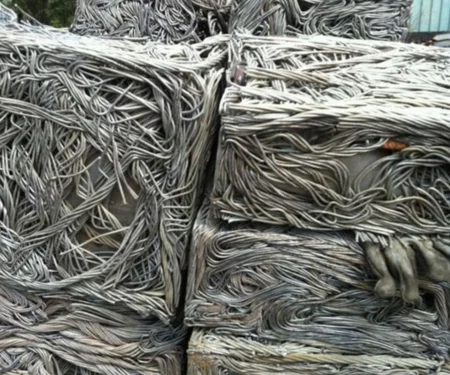
Aluminium scrap: Last Thursday, SMM A00 aluminium closed at RMB 24,240 per tonne, flat M-o-M from the previous trading day, with the aluminium scrap market also stable. In terms of price differences, on September 24, the price difference between A00 aluminium and mixed aluminium extrusion scrap free of paint in Foshan was approximately RMB 2,482 per tonne, and the price difference between A00 aluminium and shredded aluminium tense scrap was approximately RMB 1,261 per tonne.
On the import side, August aluminium scrap imports totalled 142,000 tonnes, up 18.60 per cent M-o-M but down 17.67 per cent Y-o-Y, ending the four consecutive monthly declines since April. Cumulative imports from January to August were approximately 1.243 million tonnes, down about 7.5 per cent Y-o-Y.
The M-o-M recovery in August was mainly driven by the resumption of shipping schedules and replenishment from Southeast Asian sources. In terms of supply, tax audits in Henan, Hunan, and other regions continued to intensify and expand, with compliant invoiced aluminium scrap becoming increasingly scarce and prices receiving strong support.
Meanwhile, non-invoiced cargo saw narrowing sales channels under compliance pressure, forcing some traders to cut prices to sell, with prices remaining under downward pressure. On the demand side, the September peak season for cast aluminium alloy fell short of expectations, with demand yet to see substantial volume growth.
Demand for wrought aluminium alloy was moderate, and in-factory aluminium scrap inventory was relatively ample. Next week, the aluminium scrap market is expected to consolidate on a strong note, with mainstream trading for shredded aluminium tense scrap (priced based on aluminium content) expected to centre around RMB 20,500-21,200 per tonne. Close attention should be paid to the scope of tax audit expansion and downstream stocking ahead of the National Day holiday.
Secondary aluminium alloy: Spot market: Last Thursday, ADC12 market quotes remained stable, with enterprises generally showing weak willingness to adjust prices. On one hand, prices of aluminium scrap raw materials fluctuated within a limited range overall, but against the backdrop of stricter tax invoice policies and higher compliant procurement requirements, some enterprises’ raw material procurement costs remained at relatively high levels, with the cost side providing certain support to prices.
On the other hand, downstream stocking demand before the Mid-Autumn Festival was released to a limited extent, with the demand side providing insufficient upward momentum for prices. Overall, industry prices showed strong resilience under cost support, and the short-term consolidation on a strong note is expected to continue. Going forward, close attention should be paid to the progress of tax invoice policy implementation, changes in aluminium scrap raw material supply, futures trends, and downstream stocking conditions before the dual holidays.
Comprehensive outlook: On the macro front, the US Fed’s hawkish rate hike cycle restart, a strong US dollar, and high US Treasury yields continued to weigh on nonferrous metals valuations. On the fundamental front, although domestic inventories remained at low levels and destocking continued, the rebound in casting ingot volumes combined with aluminium billet production cuts led to weaker demand for liquid aluminium. Coupled with open interest adjustment pressure before the National Day holiday, the tug-of-war between longs and shorts intensified, and aluminium prices are expected to consolidate with adjustments as the main theme.
Note: This article has been issued by SMM and has been published by AL Circle with its original information without any modifications or edits to the core subject/data.
Grow with
AL Circle