Metro Mining achieves record 1.8m WMT Q2 bauxite shipments despite cyclone disruption
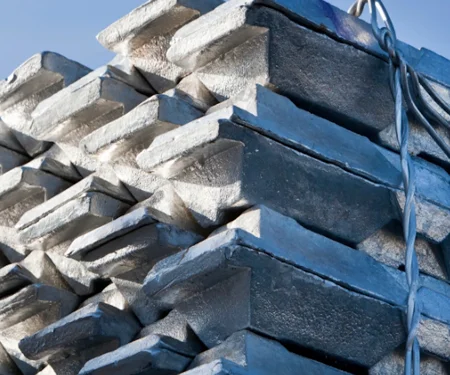
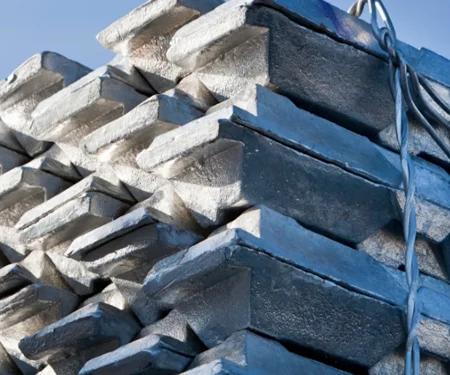
Stock image for referential purposes only
Metro Mining has reported record quarterly bauxite shipments for the three months ended June 30, 2026, despite operational disruptions caused by Tropical Cyclone Narelle and the temporary dry-docking of its Offshore Floating Terminal (OFT) Ikamba. The company shipped 1.8 million wet metric tonnes (WMT) of bauxite during the quarter, up 7 per cent from the corresponding period of 2025, while maintaining its full-year shipment guidance of 6.6-7.1 million WMT.
Chief Executive Officer Simon Wensley said, “In June, we demonstrated proof of concept of our new integrated planning and operating system and aligned management structure, thanks to focused efforts from Metro and contractor teams.” He added, “Achievement of record Q2 output was pleasing given the post-cyclone recovery and the absence of our primary transhipper, Ikamba, for its 5-year dry dock service, for a portion of the quarter.”
Wensley also stated that Metro expects to ship more than 5 million tonnes during the second half (H2) of 2026 as mining and shipping conditions improve.
To know the production, demand and consumption forecasts of bauxite and alumina, explore the report "Global Bauxite & Alumina Market Forecast to 2036: Supply–Demand, Trade Flows & Price Outlook"
Operational improvements became evident during June, when Metro recorded a monthly shipment record of 779,000 WMT, up 29 per cent from May, with 97 per cent of shipments handled through OFT Ikamba. The company also cleared and moved 833,000 bank cubic metres (BCM) of waste during the first half of the year, around 70 per cent above plan, improving mine flexibility for the remainder of the operating season.
Metro completed an extension of its port stockpile, adding 170,000 WMT of storage capacity to support higher shipment volumes and improve grade management. Better grade control during the quarter also enabled the company to secure trial cargo agreements with two new customers.
Bauxite remains the primary ore used to produce alumina, which is then refined into aluminium. Demand for high-quality bauxite continues to be supported by aluminium production, particularly as the metal plays a growing role in renewable energy, electric vehicles, lightweight transportation, construction and packaging.
Market trends and pricing environment
The company said market conditions remained weak during February and March when prices for the second quarter were negotiated. As a result, average CIF bauxite pricing declined 14 per cent compared with the fourth quarter of 2025. However, the market strengthened during the quarter as freight rates from Guinea increased, allowing Metro to negotiate an average 9 per cent increase in CIF pricing for the third quarter of 2026.
Metro noted that the aluminium supply chain experienced significant disruption following the outbreak of hostilities in the Gulf during the quarter. Aluminium was already in short supply at the beginning of 2026, and production curtailments at Middle Eastern smelters further tightened the market. London Metal Exchange (LME) aluminium prices climbed to nearly USD 3,800 per tonne during the quarter before easing slightly in June, remaining around 20 per cent higher than a year earlier.
Explore buying & selling leads of bauxite and trade opportunities on AL Biz
The company noted that both alumina and bauxite prices reached their lowest levels in March and April after more than a year of declining prices. Since then, international alumina prices and those in northern China have recovered by around 12 per cent, while prices in southern China have risen only about 4 per cent because several new alumina refineries have entered production and intensified competition.
Metro also highlighted the sharp rise in global freight costs. Capesize freight rates from West Africa increased from around USD 25 per dry metric tonne (DMT) before the Gulf conflict to approximately USD 40 per DMT during the quarter. The higher freight costs pushed traded bauxite prices roughly 10 per cent above the lows recorded earlier in the year, although Chinese buyers have resisted stronger price increases because of large bauxite inventories at ports and relatively weak alumina prices.
According to Metro, current bauxite price increases are still insufficient to offset higher freight and diesel costs expected during the second half of the year. The company pointed to a significant decline in vessel arrivals at Guinea's major bauxite ports over the past three months, suggesting that some producers are reluctant to increase shipments under current pricing conditions. Metro expects bauxite prices to strengthen further once excess inventories at Chinese ports begin to decline.
Unlike many producers, Metro has limited exposure to the recent freight market volatility. Around 80 per cent of its 2026 offtake schedule is covered by long-term freight contracts negotiated in 2025, with fixed charter and bunker fuel rates. The company said these agreements provide protection against rising shipping costs and should support margins as market prices improve.
Financial results and outlook
Despite the record shipment volumes, Metro's financial performance reflected the weaker pricing environment. Site EBITDA declined to AUD 4.4 per WMT (USD 3.1), compared with AUD 12.0 per WMT (USD 8.34) in the fourth quarter of 2025 and AUD 31.9 per WMT (USD 22.2) in the corresponding quarter of last year. The decline was mainly attributed to lower realised prices, higher diesel costs, increased stripping activity and temporary freight-related expenses associated with Tropical Cyclone Narelle and the dry-docking of Ikamba.
Unlock key insights from leading companies and experts across the aluminium ecosystem with our e-Magazine: Mine to Market: Aluminium Producers & Manufacturers 2026
At the end of June, Metro reported AUD 23.8 million (USD 16.5 million) in cash and cash equivalents, while secured debt declined to USD 31.5 million following scheduled repayments during the quarter.
On the operational front, Metro continued expanding mining activities at its Bauxite Hills Mine in Queensland. A new vegetation clearing method allowed the company to prepare a record 276 hectares, creating additional mining flexibility and improving access to different ore grades. The company also completed dry-screening trials on higher-silica bauxite, achieving encouraging results that have prompted plans for commercial-scale production during the third quarter.
Metro said it remains focused on improving productivity, maintaining bauxite quality and strengthening its position in a competitive global market as aluminium producers continue to monitor raw material costs and supply chain developments.
VBX shifts from explorer to developer as Wuudagu gains funding momentum
Next articleAlurion begins independent journey as A$50m IPO accelerates Amargosa bauxite-gallium project
Grow with
AL Circle