Japan automotive sector faces aluminium supply strain amid Middle East disruptions

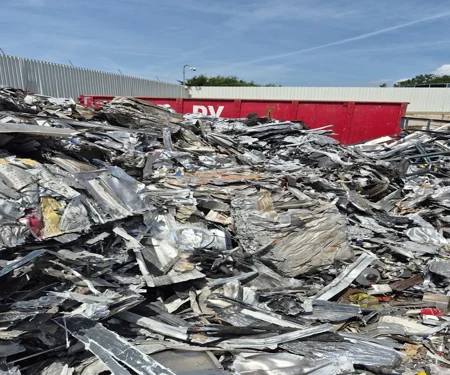
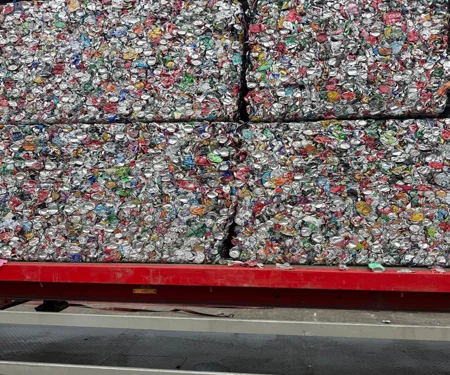
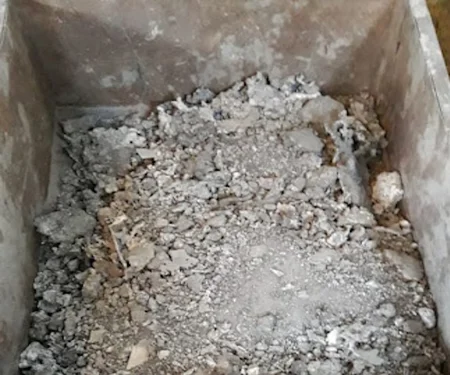
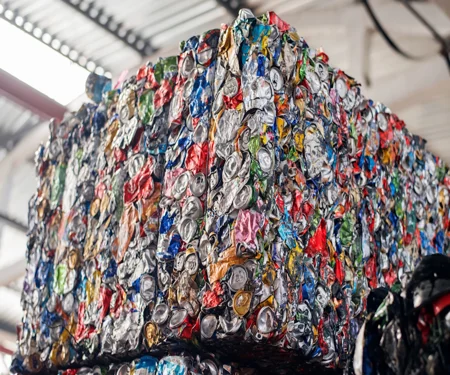
Stock image for referential purposes only
As the geopolitical conflict in the Middle East disrupts the aluminium availability in the global automotive industry, Japan’s automotive sector comes into focus with a concerning exposure to supply chain vulnerability. Japan’s manufacturing sector is increasingly pressured as the Middle East conflict disruptions continue to affect aluminium supplies from the region. As companies usually maintain only about two months of inventory, the blockade of the critical shipping routes has prompted producers to reassess sourcing strategies and alternatives while scaling back output.
Explore- Most accurate data to drive business decisions with Global ALuminium Industry Outlook 2026 across the value chain
Japan’s dependence on the Middle East for importing aluminium becomes evident as the Japan Aluminium Association reports that in 2025, Japan procured about 590,000 tonnes of aluminium, which translates into nearly 30 per cent of its total supply from the region.
Major automotive players such as Toyota Motor and Denso are particularly vulnerable, given that nearly 70 per cent of Japan’s aluminium imports originate from the Middle East. The company is monitoring the situation but has not commented on supply shortages.
Aluminium prices have risen by 13.7 per cent on the London Metal Exchange since the beginning of the conflict between the US-Israel and Iran on February 28, climbing from USD 3,157.5 per tonne to USD 3,590 per tonne. “The conflict is beginning to affect deliveries and supplies,” noted Koji Sato, chairperson of the Japan Automobile Manufacturers’ Association and former CEO of Toyota.
Nissan Motor spokesperson stated that they are “taking appropriate measures, including adjustments to our production and logistics operations.”
Don't miss out- Buyers are looking for your products on our B2B platform
Production cuts and prevailing recovery risks
Supply disruptions have already led to reduced manufacturing output. Denso and its affiliates have reportedly reduced monthly production by around 20,000 units, reflecting the growing strain on supply chains.
Additionally, companies like Kato Light Metal Industry are considering turning to alternative suppliers since 50 per cent of its requisite aluminium of 400 tonnes (approx.) is sourced from Dubai on a monthly basis. While existing inventories may last through May, sourcing is being redirected towards Southeast Asia to offset halted Middle Eastern shipments.
“It’s only been a month, but it’s almost certain that we will soon have trouble making automobile parts,” said the CEO of Kato Light Metal Industry, Daiki Kato. “We are going to spend more selectively and conserve our energy,” Kato added.
Must read: Key industry individuals share their thoughts on the trending topics
Broader regional impact, industry concerns, supply vulnerability
Japan is widely seen as one of the most exposed markets, with other Asian economies, including China, India, South Korea and Southeast Asia, also exposed to increased risk.
As aluminium remains critical across industries, from automotive and construction to electronics and packaging, the ongoing disruption intensifies the risk of temporary shutdowns, particularly for specialised product lines.
Echoing similar concerns, Koji Iida of the Japan Aluminium Association observed, “Manufacturers are starting to seek out alternatives as their inventories begin to run dry. It’s an extremely difficult situation, and concerns are great among small and medium-sized companies.”
Industry observers suggest that the impact could extend well beyond the immediate conflict period. Even if shipping routes such as the Strait of Hormuz reopen, logistical obstacles and disruptions in key hubs like the plants of Emirates Global Aluminium (EGA) and Aluminium Bahrain (Alba) due to the Iranian attacks may defer supply flows from regaining normal momentum and keep elevating the metal price, further disrupting the aluminium value chain.
Analysts at JPMorgan Chase have cautioned that the sector may face a prolonged imbalance, describing the situation as a “black hole” for the industry.
With inventories depleting and supply chains under strain, manufacturers may face increasing operational challenges if the situation persists, highlighting the need for diversification of sourcing strategies.
Trading aluminium across borders? Find out the exact cost you need to bear for the embedded carbon in the product by using this CBAM calculator.

U4 Marine Secures 24m Aluminium Catamaran and Dual 24m/22m Motor Yacht Contracts
Next articleFizz under pressure: Aluminium supply crunch leaves Diet Coke high and dry in India
Grow with
AL Circle