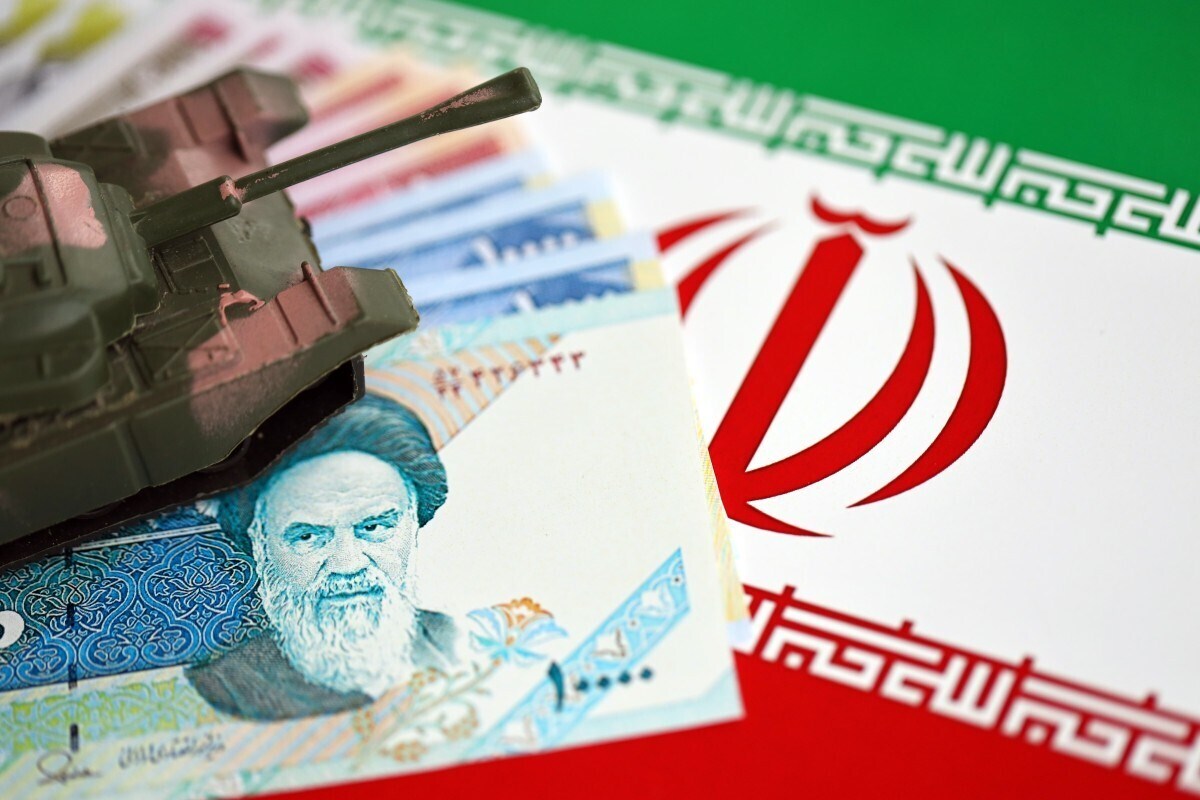
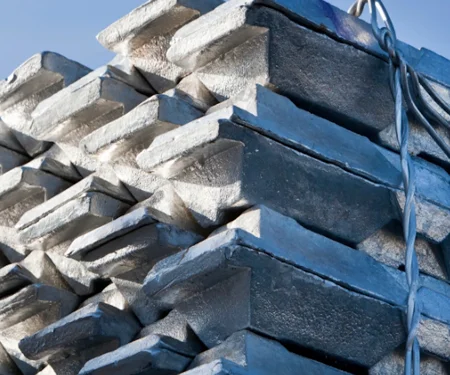
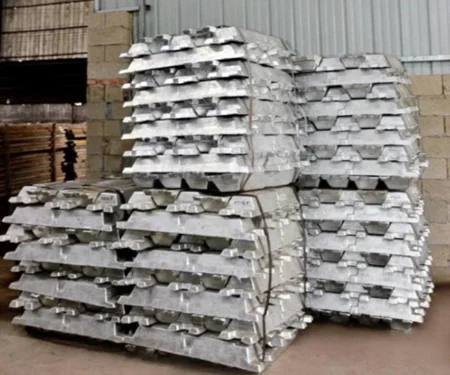
The kinetic targeting of primary aluminium production facilities in the United Arab Emirates and Bahrain on March 28 2026 represents a seminal shift in the intersection of regional conflict and global commodity security.
{alcircleadd}For decades, the Gulf Cooperation Council (GCC) nations have leveraged their abundant natural gas reserves and strategic maritime positioning to establish a dominant posture in the global aluminium market, currently providing approximately 9 per cent of the world’s primary metal.
The coordinated strikes by Iran’s Islamic Revolutionary Guard Corps (IRGC) on Emirates Global Aluminium’s (EGA) Al Taweelah smelter and Aluminium Bahrain’s (Alba) production complex have not only idled significant portions of global capacity but have effectively weaponised the supply chain dependencies of Western aerospace, automotive, and packaging sectors.
This disruption occurs within the broader, more systemic context of the effective closure of the Strait of Hormuz, a maritime artery through which over 5 million tonnes of primary aluminium and 8 to 10 million tonnes of alumina transit annually. The resulting supply shock, characterised by London Metal Exchange (LME) prices surging to four-year highs and regional premiums reaching unprecedented levels, signals a transition from an era of efficiency-driven global trade to one of fragmented, resilience-oriented procurement.
The drastic event
The strikes on March 28, 2026 involved a deployment of missiles and drones targeting the industrial heartlands of Abu Dhabi and Bahrain. At the Al Taweelah production base in the Khalifa Economic Zone Abu Dhabi (KEZAD), the strikes inflicted hefty structural damage, particularly concentrated in the power plant area, the carbon area, and the aluminium handling facilities.
To understand the severity of this disruption, one must consider that aluminium smelting is a continuous, 24-hour operation. Any interruption in power supply to the reduction cells (pots) for more than a few hours can lead to the freezing of the molten metal bath. Once a potline freezes, the recovery process involves the physical jackhammering of the solidified metal and electrolyte, a task that necessitates a complete reconstruction of the pots and can take between 6 to 12 months to restore to nameplate capacity.
The damage to the carbon area at Al Taweelah is equally critical. The carbon plant is responsible for producing the large pre-baked carbon anodes consumed during the electrolysis process. Without a steady supply of these anodes, even an undamaged potline must eventually be idled.
EGA, which is jointly owned by Mubadala Investment Company and the Investment Corporation of Dubai, had achieved record financial performance in 2025, with an underlying net profit of AED 4.93 billion (USD 1.34 billion) and cast metal production reaching a historic high of 2.84 million tonnes.
The Al Taweelah site alone produced 1.6 million tonnes of cast metal in 2025. If the current damage necessitates a long-term shutdown, the market faces a monthly removal of approximately 133,000 tonnes of metal from a single site.
Simultaneously, Aluminium Bahrain (Alba) confirmed that its facility was targeted, resulting in injuries to two employees and facility damage currently undergoing assessment. This strike followed an earlier decision by Alba on 15 March to cut 19 per cent of its production capacity, affecting potlines 1, 2, and 3, due to the logistical paralysis caused by the closure of the Strait of Hormuz. The IRGC characterised these strikes as retaliatory measures for US-Israeli operations against Iranian steel plants, specifically citing the role of Gulf aluminium in supporting Western military and aeronautics firms.
Explore- Most accurate data to drive business decisions with 50+ reports across the value chain
|
Facility |
2025 production in tonnes |
Impacted capacity (Estimated) |
Reported Damage Areas |
|---|---|---|---|
|
EGA Al Taweelah
Unlock full access – sign up for FREE.
Key benefits
Find exclusive data-driven insights and in-depth analysis
Get our daily newsletter delivered straight to your inbox
Access real-time and historical price trends from global indices
Post and respond to latest business leads
Stay ahead with alerts on learning tools
…and so much more! SIGN UP / LOGINResponses ![]() ![]() ![]() Loading...
![]() ![]() ![]() Loading...
Loading...
![]() ![]()
Would you like to be
featured with us?
Loading...
|