Fizz under pressure: Aluminium supply crunch leaves Diet Coke high and dry in India
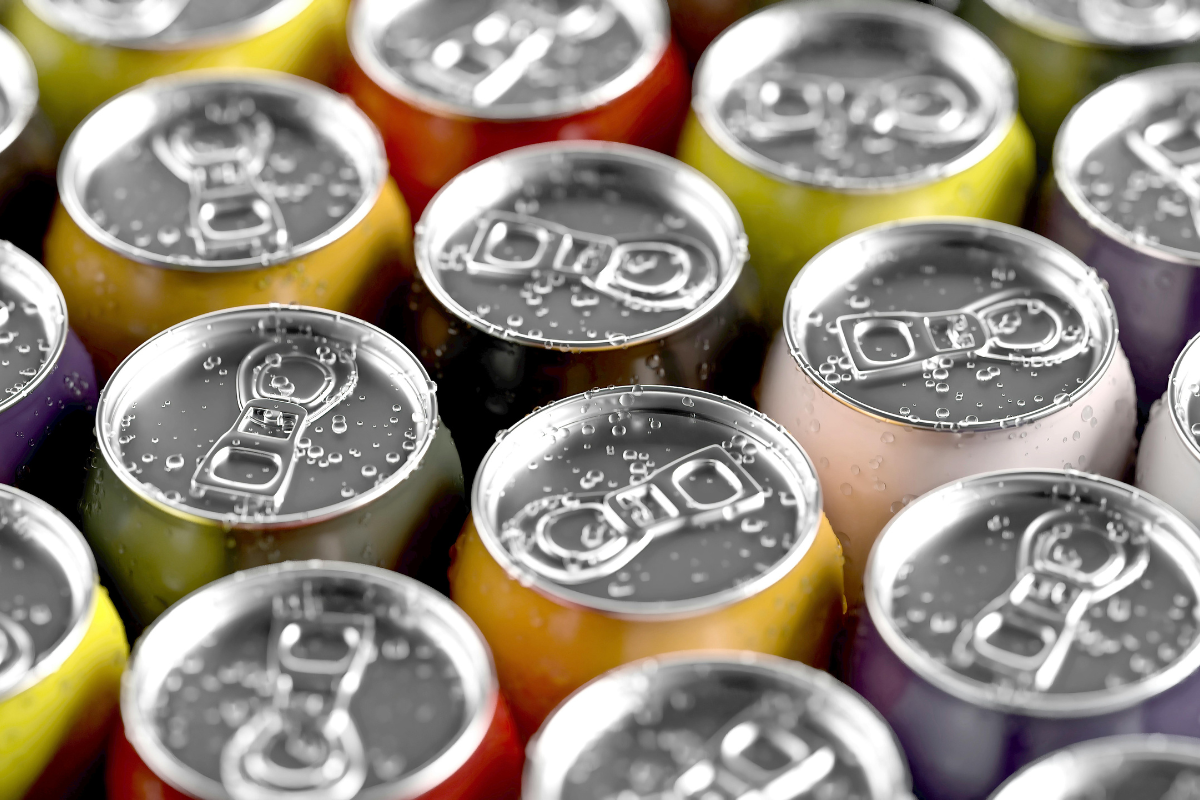
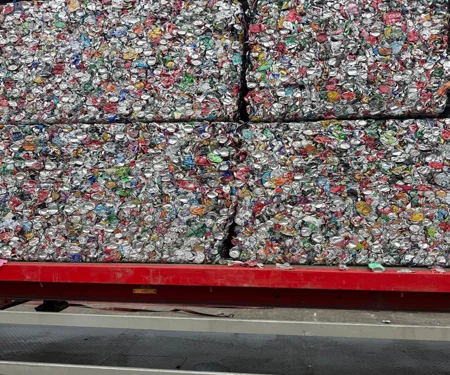
In the ongoing supply chain disruption, which is directly linked to the tension with Iran, Diet Coke is said to be the next victim. Why so? In many Indian cities, stock shortages are being faced by consumers because of the lack of availability of aluminium cans. Other than Diet Coke, this impact is also seen majorly in the Indian beer industry.
Mumbai was the first city to face the supply issue, which has now reached Bengaluru, Pune and parts of Delhi-NCR. With the rising temperature, there is a surge in cola and beer demand and sales, where the retailers are reporting that their shelves are being emptied as soon as new stock arrives.
Owing to this supply shortage, Coca-Cola India has not responded to inquiries, but industry insiders suggest that the shortage is particularly severe for Diet Coke. This is because of its unique packaging; unlike other soft drinks like Coke, Thumps Up, or Pepsi, which come in PET bottles and returnable glass, Diet Coke is mostly sold in cans, making it more susceptible to supply chain disruption.
The situation is becoming trickier because of the demand surge for low- and no-sugar drinks. In the past year, the sales have doubled, surpassing the supply and causing some serious shortages in the market. In order to cover the gap, beverage companies are looking to import aluminium cans from places like the UAE, Sri Lanka and Southeast Asia.
Also read: Indian beer industry faces ‘major trouble’ as aluminium costs surge, pricing curbs tighten grip
But the next challenge concerning this solution is that these imports come at a premium, costing about 25–30 per cent more. These regions now provide nearly a third of India’s aluminium can supply, mainly for their scale and cost advantages. On the other hand, the domestic production is still limited.
Major players like Ball Beverage Packaging and Canpack are already running at full capacity, and setting up new production lines could take up to a year. In some cases, companies are even choosing to focus on higher-margin products or redirecting supplies to more lucrative markets.
The ongoing shortage is taking a toll on production, with rising costs and supply chain issues for materials like aluminium cans and LPG, which are essential for glass manufacturing, forcing some plants to cut back on their operations or even shut down temporarily, as noted by industry leaders.
Consumers are feeling the impact as well, as limited stock on quick commerce platforms has led to bulk buying and social media has been filled with concerns about the dwindling availability of Diet Coke.
Must read: Key industry individuals share their thoughts on the trending topics
Industry groups have raised the alarm with the government, with the Federation of European Business in India, representing global brewers, calling for a temporary halt on import duties for glass bottles and aluminium cans due to soaring costs. Packaging expenses have skyrocketed, with glass bottle prices climbing around 20 per cent and paper cartons nearly doubling, not to mention the rising freight and insurance costs.
Aditya Ishan Varshnei of Latambarcem Brewers stated, "This is peak demand season, and we had expected supply to improve by now. That hasn’t happened, forcing us to import at higher costs."
The shortage of aluminium cans comes when the country is facing a weak year for India’s INR 60 thousand crore (USD 6.4 billion) soft drinks market, which faced challenges from unseasonal rains last season. While companies were hoping for a strong rebound this summer, ongoing supply issues and stock shortages might dampen sales, even with strong demand still in play.
Don’t miss out- Buyers are looking for your products on our B2B platform
_0_0.png)
Japan automotive sector faces aluminium supply strain amid Middle East disruptions
Next articleToyota grapples with Canadian policy shifts amid aluminium supply uncertainty
Grow with
AL Circle