What began as an overall surge in the metals market towards the beginning of the year has quickly turned far more uneven, as the ongoing Middle East conflict enters its fifth week. While early market sentiment was dominated by fears of a copper crisis, the unfolding reality focuses on a different crisis surrounding aluminium.
Global institutions, including the International Energy Agency, International Monetary Fund and World Bank, have already referred to the conflict as one of the most severe recent energy shocks. Beyond the immediate humanitarian impact, the geopolitical situation is disrupting trade routes, hoisting energy prices and introducing fresh volatility across markets.
Early 2026: Markets boom with copper demand
The start of 2026 brought market attention to copper. Prices soared to an all-time high, surpassing USD 14,500 per tonne in January before stabilising around USD 13,000, and the monthly average settled around USD 13,088.88 per tonne. Compared year-on-year, the gaping difference was USD 4,111.31 per tonne, marking a 45.8 per cent rise.
The driving factor of rising demand was an anticipation of a supply crunch due to global electrification, Artificial Intelligence (AI) data centre expansion and infrastructure growth.
However, the bullish sentiment was founded on speculation. By the end of Q1, global exchange inventories had climbed to more than 1.4 million tonnes, indicating that supplies were sufficiently available. With the cooling of investor sentiment, prices eased to around USD 12,300 per tonne.
Aluminium: The real pressure point
As the Middle East tensions intensified, investor attention took a sharp turn towards aluminium, where the impact has been immediate and severe. Shutdown of a fundamental global trade corridor, the Strait of Hormuz, which gives passage to around 60 per cent of the Gulf region’s alumina supply, has effectively become a bottleneck.
The initial disruption came in the form of logistical constraints, with shipments of raw materials slowing down. Smelters such as those operated by Emirates Global Aluminium and Aluminium Bahrain were forced to reduce operating rates to conserve inputs.
This was followed by the Iranian strikes on Emirates Global Aluminium’s (EGA) Al Taweelah facility, which sustained “significant damage”, and Aluminium Bahrain’s (Alba) smelter, where workers were injured. With damages to the power infrastructure, around 30 per cent or about 3 million tonnes of annual production capacity, almost half of the region’s output, has been affected.
The Gulf region accounts for approximately 9 per cent of global aluminium production and a fairly larger share of exports outside China, making these disruptions a particular chokepoint for Western markets.
Don't miss out- Buyers are looking for your products on our B2B platform
What else threatens the aluminium industry?
The crisis from the Middle East conflict, aggravated by the Iranian drone and missile strikes, has compounded the pre-existing challenges in the global aluminium market.
In the area of regulatory measures, the industry was already dealing with multiple long-standing problems at once, such as the US tariff hike of 50 per cent upon primary aluminium imports, imposed in April 2025. Problems stemming from the Carbon Border Adjustment Mechanism (CBAM) imposition loom large, which came into effect on January 1, 2026.
European companies like Constellium, Norsk Hydro, European Aluminium, European Automobile Manufacturers’ Association (ACEA) etc., are apprehensive of this push by the European Union (EU) as companies might leave the European market and weaken its position on the global platform. Experts like Glen Hodgson, Founder and CEO of Free Trade Europa, have raised questions about the effectiveness of the regulation in the present scenario. Moving forward, CBAM might impose an additional EUR 230 per tonne for aluminium extrusion imports.
As regards operational factors, the shutdown of Century Aluminum smelter in Iceland with an annual capacity of 320 thousand tonnes, remains a questioning factor. Although operations are set to restart by the end of April 2026, picking up momentum and making up for the gaping supply deficit carry-over is a major concern.
Moreover, the closure of South32’s Mozal aluminium smelter in Mozambique on March 15, originally a vital cog in the European aluminium market with a 560,000-tonne annual capacity, further contributed to an already jeopardised market scenario. Although the government is seeking talks to keep the smelter from complete closure, uncertainties hover around when a contract can be secured and how long it would take to bring the smelter back to life.
Supply chain shock drives aluminium prices higher
The aluminium market is now exposed to a dual shock, viz., production loss and limited access to raw materials. The alumina supply crunch suggests that even unaffected plants are at risk of feedstock tightening.
This crisis has pushed the London Metal Exchange (LME) aluminium prices past USD 3,500 per tonne, first around mid-March and then post Iran’s attacks on March 31. The number crossed multi-year highs before settling just above the figure on April 2. Additionally, physical premiums have risen sharply, aggravating the cost burden for buyers.
The close of March depicted a monthly average of LME aluminium prices around USD 3,370.16 per tonne. Compared with the average of February around USD 3,065.35 per tonne, it showed a staggering 9.94 per cent surge month-on-month.
Moreover, the March 2025 average was approximately USD 2,657.21 per tonne, which brings the Y-o-Y comparison between the March 2026 and March 2025 average to a wide difference of USD 712.95 per tonne (approx.), marking a 26.83 per cent Y-o-Y surge.
With the M-o-M difference nearing 10 per cent and the Y-o-Y forming a gap so close to USD 1,000 per tonne, the impact of the Middle East crisis on the aluminium industry becomes vivid.
April premium forecasts in Europe and Japan have been revised as well. Amsterdam-based multinational banking and financial services corporation, ING Group, has already projected the aluminium price to exceed USD 4,000 per tonne.
Equity markets have mirrored the impact as companies such as Alcoa Corporation and Century Aluminum Company have recorded gains since the inception of the conflict.
Copper: Surplus scare replaces shortage panic
In contrast to aluminium’s supply-driven rally, copper is increasingly shaped by demand-side risks. Rising energy prices, especially the Brent Crude exceeding USD 100 per barrel, hovering around USD 105 to USD 109, and possibly climbing above USD 150 per barrel, pose a serious threat to global economic growth.
A slowdown in industrial activity would directly impact copper consumption, which is closely tied to construction, manufacturing and infrastructure. In this situation, the market could shift from a deficit to a surplus of 100 thousand to 200 thousand tonnes. Previously soaring prices could drop below USD 10 thousand per tonne as inventories increase and consumption loses momentum.
Must read: Key industry individuals share their thoughts on the trending topics
Q2 outlook: Supply shock and demand risk
As markets enter Q2, the paradox of aluminium and copper is gaining better clarity.
Aluminium is already deep into a supply crisis, compounded by damaged infrastructure and constrained logistics. Even if the geopolitical tensions ease, loss of key production assets is likely to leave lasting effects, with a supply crunch lingering for months.
Copper, on the other hand, remains stuck in a tug-of-war between supply surplus and uncertain demand. The trajectory of energy prices and the broader global economic outlook remain the deciding factors in the situation.
This divergence highlights the fact that the global metals market is not moving in sync. Instead, it is being shaped by geopolitics, energy dynamics and supply chain vulnerabilities, which are likely to define market behaviour for the time being.
Trading aluminium across borders? Find out the exact cost you need to bear for the embedded carbon in the product by using this CBAM calculator.
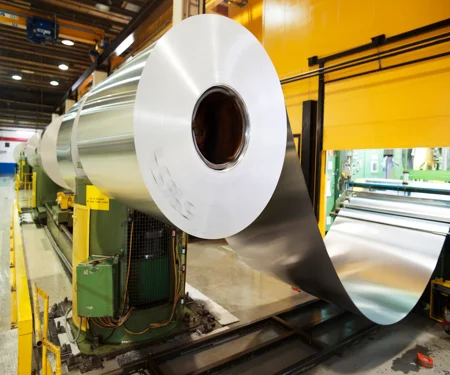
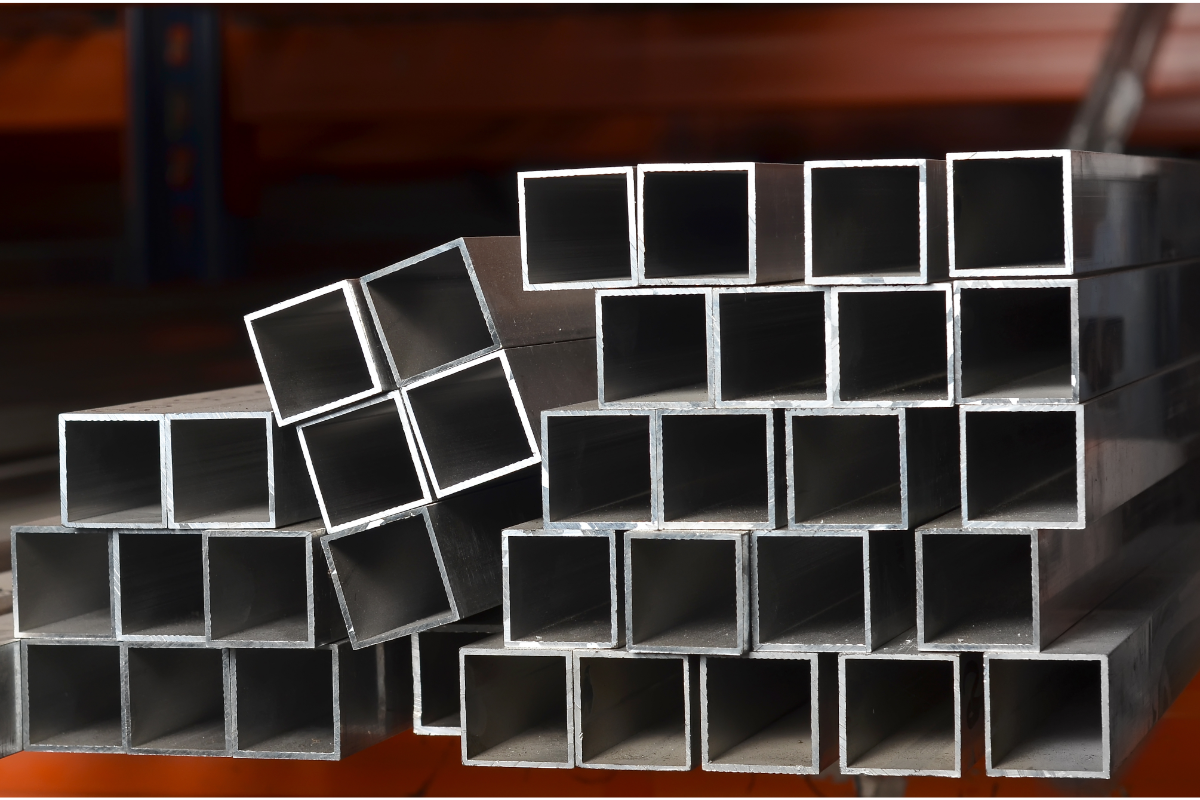
Image for referential purposes only












_md.webp)